Ice Age Wolverine Remains Unearthed in Yorkshire Dales Cave by Hobby Cavers
In a remarkable paleontological find, the remains of a wolverine dating back 80,000 years have been discovered in the Yorkshire Dales, shedding light on the region's Ice Age fauna. The discovery was made by members of the Craven Potholing Club during excavations at Stump Cross Cavern, a 300-million-year-old cave system located within the Yorkshire Dales National Park.
Discovery Details and Excavation Efforts
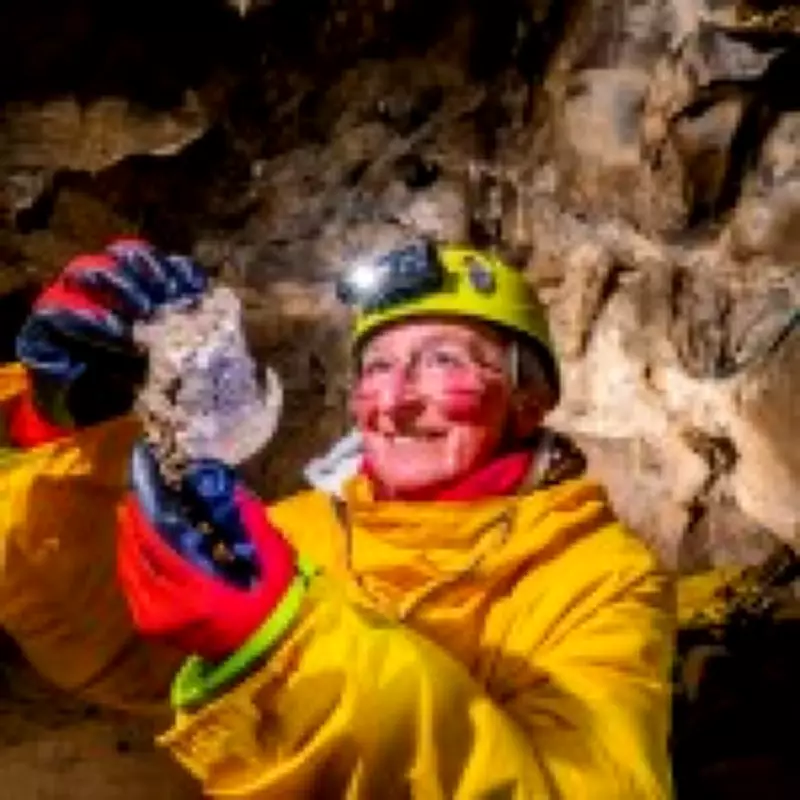
The find occurred as caver Rowan Worsman sifted through buckets of rubble in the newly designated C Chamber, where she spotted a white object that turned out to be a jaw fragment with teeth still intact. This discovery has sparked excitement among the team, who have been digging by hand for over a year to open a new section of the cave for public access by 2028.
Tom Thompson, the dig coordinator, explained that the wolverine likely entered the cave attracted by the scent of decaying animals that had fallen into a natural pit trap. Unable to escape, the predators may have resorted to cannibalism before being preserved by a flood that covered them in stalactites. The excavation, authorized by Natural England, has involved removing 75 tonnes of rubble, with an additional 200 tonnes still to be cleared.
Significance of the Wolverine Find
Wolverines, often dubbed the 'Arctic's ultimate animal survivor,' are known for their strength, fearlessness, and ability to take on larger predators. Typically found in cold northern regions of North America and Eurasia, this discovery confirms their historical presence in the Yorkshire Dales during the Ice Age. The specimen will be preserved and studied by paleontologists to gain insights into the area's ancient ecosystem.
Oliver Bowerman, director of the cave project, praised the cavers' voluntary efforts, noting that the new C Chamber will extend the cave by 75 meters and create a circular route for visitors. He highlighted that previous finds in the area include reindeer and bison, but the wolverine remains are a unique addition that will serve as a display piece, enhancing public understanding of Ice Age wildlife in Yorkshire.
This discovery not only enriches the historical record but also underscores the importance of amateur exploration in uncovering hidden chapters of natural history. As excavations continue, more findings are anticipated, potentially revealing further secrets of the Ice Age in this region.