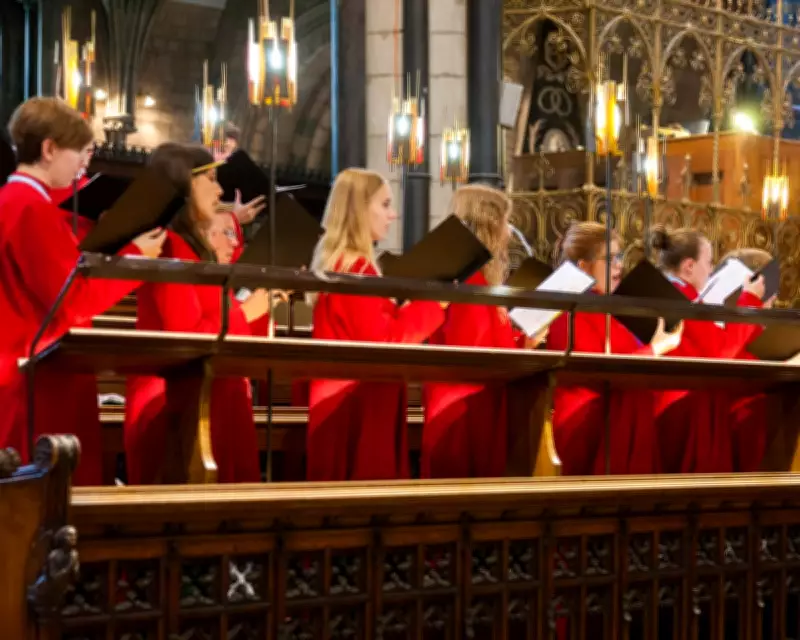
A recent letter to the editor has sparked discussion about the evolving nature of worship within the Church of England, highlighting that traditional hymnbooks no longer serve as reliable indicators of churchmanship. Reverend Ian Randall from Fakenham, Norfolk, responded to a previous correspondence, firmly stating that no central authority within the Church of England possesses the power to remove hymns like "Onward Christian Soldiers" from use, as there exists no official denominational hymnbook.
The Diversification of Worship Materials
Reverend Randall elaborated that contemporary Anglican churches frequently utilize multiple hymnbooks simultaneously, with many congregations opting to print custom service sheets that draw from a wide array of sources. He noted a significant shift in practice, with some churches now projecting contemporary "worship songs" directly onto screens during services. This modern approach represents a departure from historical norms where the specific hymnbook in use clearly signaled a church's theological and liturgical leanings.
Historical Context of Hymnbook Significance
In decades past, the choice of hymnal was a telling marker of Anglican identity. Churches using The English Hymnal were typically associated with high church, Anglo-Catholic traditions, emphasizing formal liturgy and sacramental worship. Conversely, congregations employing Hymns Ancient and Modern were often linked to low church, evangelical practices, focusing more on scripture and preaching. Reverend Randall's observation underscores that these clear distinctions have largely faded in today's diverse worship landscape.
Additional Letters to the Editor
The publication also featured several other reader responses covering a range of topics. Former mathematics teacher Sue Coe expressed relief upon reading a corrections column, confessing that a recent episode of the quiz show Countdown had left her doubting her numerical skills at age 79.5. The clarification restored her confidence, confirming the error was not her own.
Another correspondent, Pete Bibby, humorously requested a literary list tailored for older readers, suggesting "76 books to read before you're 76" after missing the deadline for a previously featured article on books to read by age 25.
On political matters, Liberal Democrat peer William Wallace welcomed reports of the government developing a coherent strategy to rebuild close relations with European neighbors post-Brexit. Meanwhile, Geoff Reid offered a counterpoint to an opinion piece on wealth and happiness, asserting that for millions of eligible citizens, true happiness is found in the practical benefit of a bus pass rather than monetary wealth.
The letters section continues to invite reader submissions on any content published, encouraging ongoing public dialogue and diverse perspectives across all covered subjects.