The Instrumentalisation of Everything: How We Strip Meaning from Life's Valued Activities
For decades, films from Metro-Goldwyn-Mayer Studios have opened with Leo the roaring lion, accompanied by the motto ars gratia artis: art for art's sake. Despite MGM's commercial nature, this sentiment highlights a legitimate reason for creating movies. Art pursued for profit, self-promotion, or propaganda loses its purity, becoming something less than true art.
From Art to Health: A Shift in Priorities
Recently, an advert for the National Art Pass, offering free or discounted entry to UK galleries and museums, shocked many with its tagline "See more. Live more." The message focused on quantitative benefits, proclaiming that "spending time in galleries and museums could help you live longer." This reflects a broader trend, with Arts Council England promoting the health benefits of creative activities. Art is no longer valued for its own sake but for its utility in improving physical health.
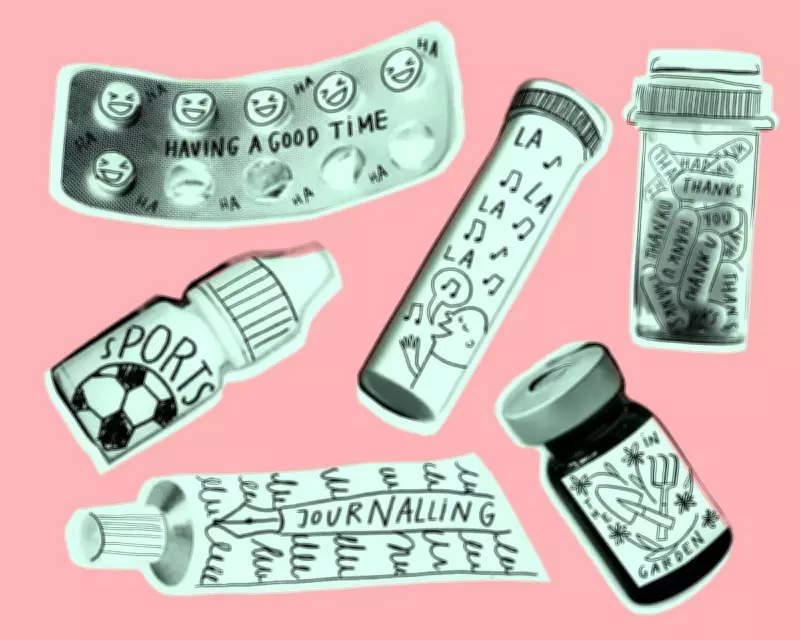
This instrumentalisation extends beyond art. In 2010, Gretchen Rubin's book The Happiness Project described hugging her husband for at least six seconds to promote oxytocin and serotonin flow, highlighting a mindset where actions are valued for mood enhancement rather than genuine emotion. This approach reduces meaningful activities to mere tools for personal gain.
The Pervasiveness of Instrumentalisation
Instrumentalisation has become normalised, affecting numerous aspects of life. Churchgoing, for instance, is now often promoted for its health benefits, such as reducing depression and lengthening life, rather than as a devotional duty. Similarly, orgasms are advocated for prostate cancer prevention, shifting focus from pleasure or intimacy to health outcomes.
Even activities like singing are framed instrumentally. Opera North lists benefits including enhanced lung function, stress reduction, and memory improvement, with only one mention related to artistic expression. Nature walks are marketed for wellbeing, with "forest bathing" treated as a therapeutic clinic, ironically using the same exploitative mindset that harms the environment.
Philosophy and Social Connections Under Siege
Philosophy, once a disinterested pursuit of wisdom, is now sold for its transferable skills to the workplace, such as intellectual and communication abilities. Universities emphasise how philosophy can aid in buying houses or building pensions, undermining its intrinsic value.
Instrumentalisation becomes pernicious in social relationships. Immanuel Kant argued that treating humanity as an end, not merely a means, is a moral imperative. When we foreground what relationships do for us, we objectify others, leading to dehumanisation and exploitation. This approach is self-defeating, as it corrupts the very connections that enrich our lives.
The Misguided Pursuit of Extrinsic Goods
Instrumentalisation promotes health, wealth, and psychological wellbeing as ultimate goals, but these lack intrinsic value. Health is valued to avoid pain and enable meaningful activities, not for its own sake. Mental health is similarly an enabler, not an end in itself. Even happiness is not intrinsically good if based on ignorance or prejudice.
True intrinsic goods include things that make life worth living without further justification, such as love, art, and learning. Aristotle identified flourishing as the highest good, achieved through engagement with intrinsically valuable activities. When we focus on extrinsic benefits, we lose sight of what matters here and now, treating life as training for the future rather than a game in progress.
Roots of Instrumentalisation in Modern Culture
Instrumentalisation stems from features of western modernity, including the Enlightenment's emphasis on individual autonomy. This has led to atomisation, where separateness from others is exaggerated. Combined with a consumer mindset and reductionism from natural science, it encourages viewing the world as a resource to plunder for personal gain.
Reductionism, while useful in science, fails in social contexts by ignoring systemic richness. It reduces experiences like art or nature to mechanistic benefits, stripping them of depth. This approach, driven by a belief in control and transactional relationships, neglects our deepest needs for connection and meaning.
Towards a Deinstrumentalised World
Reversing instrumentalisation does not mean abandoning practical needs but recognising intrinsic value. Activities like friendship should be valued for the people involved, not for endorphin release. As David Hume noted, we love friends for who they are, not for the pleasure they bring.
Appreciating things for their own worth liberates us from constant pressure to extract benefits. It allows us to live fully, recognising that life is its own end. By focusing on intrinsic goods, we can reclaim the meaning in our most valued activities and achieve a richer, more fulfilling existence.