The Forgotten Royal Estate Beside Heathrow Airport
In the quiet village of Stanwell, just beyond the roar of Heathrow's flight paths, lies the ghostly remains of Stanwell Place. This abandoned estate, once a grand manor and the residence of King Faisal II of Iraq, now exists only in memory and scattered remnants. Its story weaves together aristocratic beginnings, crucial wartime importance, and a tragic royal exile, all now fading into obscurity.
A Grand Estate's Aristocratic Foundations
Stanwell Place evolved over centuries, with its most significant structural developments occurring in the early 19th century under the Gibbons family. The estate originally featured extensive parkland, believed to have been designed in the 18th century and spanning hundreds of acres, along with tenant farms that reflected the typical lifestyle of the landed English gentry. Over time, parts of the estate's land were gradually sold off for various developments, including reservoirs and smallholdings, marking the start of its steady reduction in size and influence.
World War II and Strategic Significance
In 1933, the estate was acquired by Sir John Gibson, a notable civil engineer later knighted for his contributions during World War II. Gibson's wartime work included critical projects like the Queen Mary Reservoir and serving as deputy director and general civil engineer at the Ministry of Supply. His expertise proved vital in the design and construction of the top-secret Mulberry Harbours, which facilitated the Allied invasion of Normandy in 1944.
Under Gibson's ownership, Stanwell Place became an unofficial meeting place for commanders of the Supreme Headquarters Allied Expeditionary Force (SHAEF). This placed the manor at the very center of planning for pivotal military operations, most notably D-Day, transforming it from a private residence into a hub of wartime strategy.
Royal Connection and Tragic End
Following Gibson's death in 1947, parts of the estate changed hands. In a notable transfer, 22 acres were sold to King Faisal II of Iraq. The young monarch, just 13 years old at the time, was about to begin his studies at Harrow School and frequently stayed at the manor with his family. However, King Faisal's connection to Stanwell Place was abruptly cut short when he was assassinated during a coup in Iraq in 1958, leading to the manor's swift abandonment.
Demolition and Present-Day Remnants
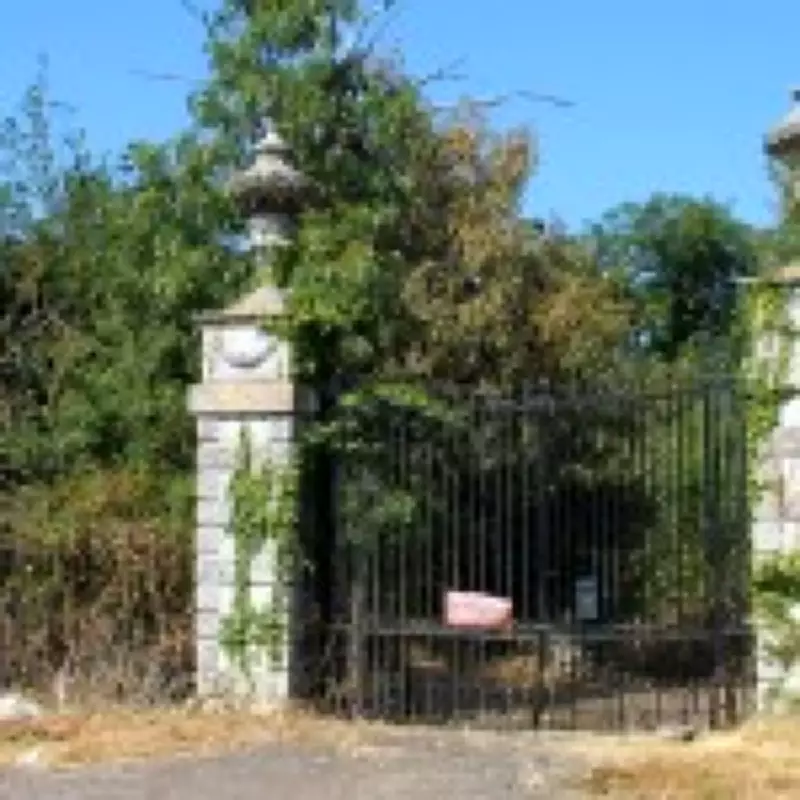
By the 1960s, neglect had taken a severe toll on Stanwell Place. The manor house was ultimately demolished to make way for gravel extraction, erasing much of its physical presence from the landscape. Today, only the imposing entrance gates remain as silent witnesses to the estate's layered and poignant past. These gates stand as the sole tangible reminder of the centuries of history that once unfolded within the grounds.
The story of Stanwell Place serves as a compelling reminder of how places of historical significance can vanish, leaving behind only fragments of their former glory. From aristocratic estate to wartime command center and royal residence, its legacy endures in the echoes of its past, now overshadowed by the modern hustle of Heathrow Airport.