International Donations Propel National Trust to Protect Cerne Giant
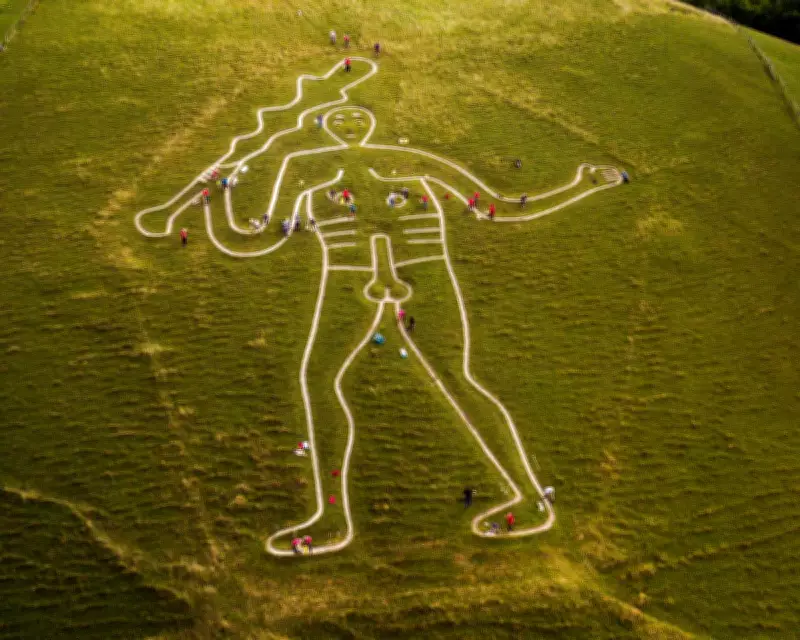
The iconic 55-metre Cerne Giant, a chalk figure carved into a Dorset hillside, has captured global attention as an appeal to safeguard its home and local wildlife has reached its target. The National Trust confirmed on Tuesday that donations from more than 20 countries, including Australia, Japan, and Iceland, have flooded in, demonstrating the monument's widespread allure beyond British shores.
A Mystical Monument with Enduring Appeal
For centuries, the Cerne Giant has intrigued enthusiasts of English folklore and legend, with various theories about its identity and origins. Some suggest it depicts a Celtic god or serves as an ancient fertility symbol, while others propose it might be a lampoon of Oliver Cromwell. In 2021, National Trust archaeologists estimated it was carved between AD700 and AD1100, adding to its historical mystique.
Luke Dawson, the National Trust's lead ranger for west Dorset and Cranborne Chase, remarked, "I think it's really impressive and heartening that so many people have contributed. The giant is a bit of a folk icon and brings in interest from all spheres. It has that mystical quality that piques a lot of people's interest."
Fundraising Success and Future Plans
Concerns arose last year when 138 hectares of land surrounding the giant were put on the market, prompting fears of development or restricted access. The National Trust intervened, using £2.2 million from its own funds, grants, and bequests, and launched a public appeal to raise an additional £330,000. This target was met in just 60 days, with donations ranging from £1 to over £30,000.
The funds will be used to:
- Improve access to the 55-metre figure.
- Link up fragmented habitats to benefit species like the rare Duke of Burgundy butterfly.
- Enable further archaeological research to uncover more about the giant's origins.
Enhancing Wildlife and Archaeological Exploration
The hillside is not only home to the giant but also supports rich biodiversity, including 36 butterfly species and hazel glove fungus, typically found in temperate rainforests. Steve Timms, an archaeologist, noted that acquiring the land will allow for larger-scale exploration, "It will answer questions about the development of settlement and ritual activity over the area over several millennia."
In early summer, the giant will be re-chalked with 17 tonnes of chalk, involving 10 appeal donors, staff, and volunteers to ensure its visibility for years to come. The appeal, supported by Sir Stephen Fry, remains open for further contributions to care for the giant and its butterfly inhabitants.
Sian Wilkinson, head of public fundraising at the National Trust, stated, "We can now start creating a nature haven around the giant, the next chapter in his long history. This appeal shows we can do bold things when people come together."