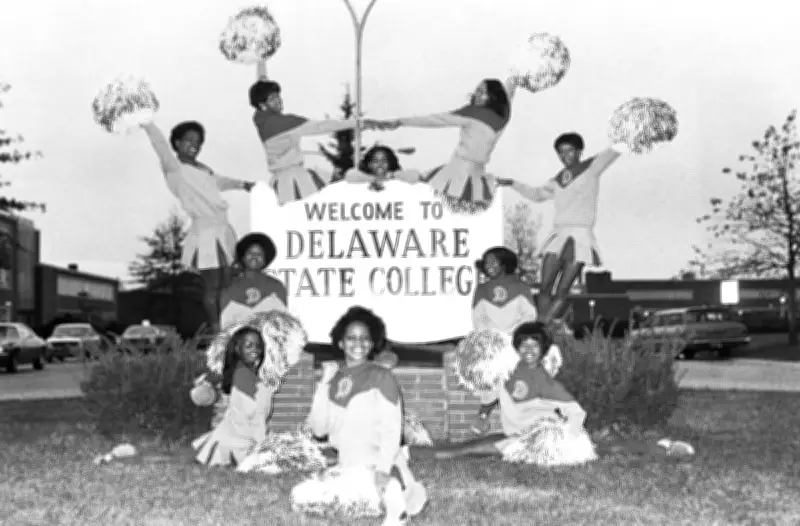
Getty Images' photo archive grant program is preserving rare photographs from Historically Black Colleges and Universities (HBCUs), many of which were previously inaccessible or at risk of damage. The initiative digitizes these invaluable archives, documenting more than a century of Black American history, and makes them available to the public for the first time.
Preserving Hidden Histories
Most HBCUs were founded during the Reconstruction era after the Civil War and hold extensive archives of documents, photographs, and films. However, many priceless images remain in boxes or storage, inaccessible and vulnerable. Cassandra Illidge, vice-president of partnerships and HBCU programs at Getty Images, said, "We realized that there was a lack of content coming through from HBCUs. HBCUs hold such a rich history. We wanted to build something that was unique and specifically would address their needs."
Launched in 2021 in partnership with the Getty family and Stand Together, the grant helps HBCUs digitize their archives. Participating schools retain full copyright ownership, and proceeds are split: 50% of licensing fees go to the HBCU, 30% support student scholarships, and 20% is reinvested into the grant program for future digitization.
Digitization and Discovery
So far, 11 HBCUs have joined the program, with plans to expand. Getty team members visit each campus, working with administrators to identify commercially viable content—group photos, notable figures, campus shots, founders, and more. They have uncovered images of civil rights leaders, famous athletes as students, and everyday life, such as a woman driving a vehicle in 1900. "Every school we've gone to, we found photos of Jesse Jackson just being Jesse Jackson, interacting with students, inspiring them to vote," Illidge said. "We've even found chrome negatives, a negative of Muhammad Ali in Florida at an event."
Brenda Allen, president of Lincoln University, the first degree-granting HBCU, noted the financial and historical benefits: "We're able to monetize or realize some money from some of the images that are just really very rare if you're looking for things that really depict African Americans, especially through the centuries. It's been very helpful in not only bringing in a few dollars, but also helping to get that history of movement out in the world."
Partnerships and Impact
Two schools, Lincoln University and Jackson State University, have partnered with Ancestry for genealogy-focused digitization, making historical documents searchable on Ancestry's website. Initial grant recipients included Claflin University, North Carolina Central University, Jackson State University, and Prairie View A&M University. Later additions include Southern University, Lincoln University, Delaware State University, Stillman College, Bennett College, Florida A&M University, and Alcorn State University.
Maxine Greenleaf, vice-president of marketing and communication at Alcorn State University, said the program brings images to life: "We didn't know that some of these images existed until we started with this project. Some of these things were in the library, some were in boxes in our area, but it's given a new life to Alcorn's history." Alcorn, the first public land-grant HBCU, has produced notable figures like Medgar Evers, Alex Haley, and Steve McNair.
Protecting Intellectual Property
The program also helps protect intellectual property. A famous photo of Cecil J. Williams drinking from a "whites only" fountain in the 1950s had been widely used without permission. Illidge explained, "He's used it in his books, people have taken that photo and actually created all kinds of swag... no royalties. I had a conversation with him and he asked me what we can do to stop this from happening. I said, 'We can't do anything about anyone who's done it before, but going forward, if the photo is on the website, if anyone does that, at least we can work with you and Claflin University to pursue it.' That's the importance of [the grant] as well."
Getty hosts quarterly calls with HBCU partners to share best practices and mentors student photographers. The company also shares images on Instagram, where users often help identify people in the photos. "There are family members who are looking for these photos of their grandmother, their grandfather," Illidge said. "Twice at schools when we launched the program and we had students in, they found photos of relatives. I think that just underscores the importance of this work."
With 11 institutions out of over 100 HBCUs, Illidge emphasized the program is just beginning: "We're just starting to scratch the surface. The more, the merrier. We're excited about who will be launched next in the program."