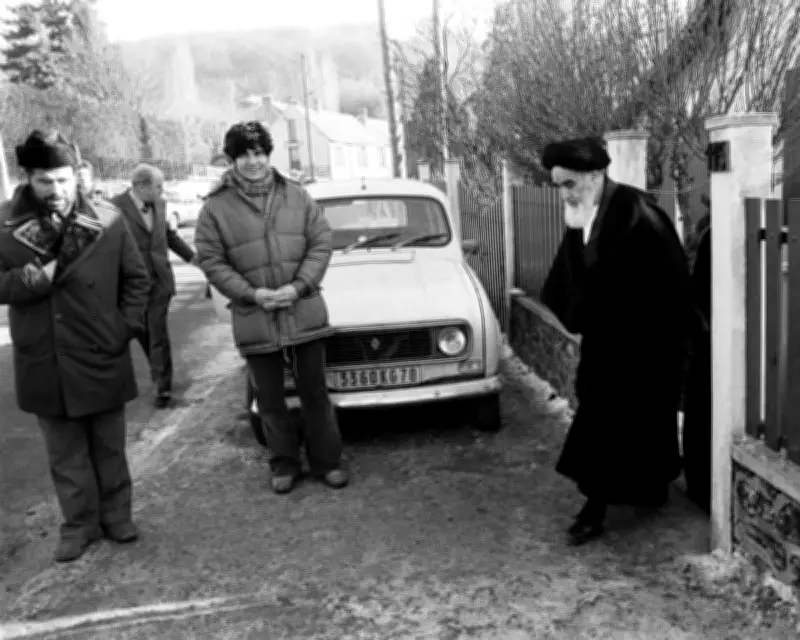
The small French town of Neauphle-le-Château, located just outside Paris, holds a unique and contentious place in modern history as the sanctuary for Ayatollah Ruhollah Khomeini in the late 1970s. This period, from 1978 to 1979, marked a pivotal moment when Khomeini used the town as a base to orchestrate the Iranian Revolution from abroad, ultimately leading to the overthrow of the Shah and the establishment of the Islamic Republic.
A Strategic Haven in France
Neauphle-le-Château, with its quiet, rural setting, provided Khomeini with a secure and discreet location to plan his political activities. During his stay, he delivered numerous speeches and communicated with supporters in Iran, leveraging the town's relative isolation to avoid detection and interference. This sanctuary was crucial in allowing him to build momentum for the revolution, as it offered a safe haven from which he could coordinate efforts without immediate threat.
Diplomatic and Historical Repercussions
The town's role has sparked ongoing debates about its historical significance and the diplomatic tensions it created between France and Iran. Some view it as a symbol of France's support for revolutionary movements, while others criticize it for facilitating a regime change that led to decades of geopolitical strife. The sanctuary's legacy continues to influence discussions on international relations and the ethics of providing refuge to political figures.
Local Impact and Memory
For the residents of Neauphle-le-Château, Khomeini's presence left a lasting imprint on the community. The town has become a point of interest for historians and tourists, with some locals embracing its historical role, while others prefer to distance themselves from the controversy. This duality reflects broader societal divisions over how to remember and interpret such pivotal events.
Contemporary Reflections
Today, the story of Neauphle-le-Château serves as a reminder of how small towns can inadvertently become centers of global historical change. It raises questions about the responsibilities of host countries in political asylum cases and the long-term consequences of such decisions. As debates persist, the town remains a focal point for those studying the intersections of politics, history, and international diplomacy.