Recent letters to the Guardian highlight the nuanced and often contradictory experiences of ordinary French citizens during the Second World War, contrasting with the focus on leaders in upcoming French films. Michael Rosen, drawing on family research, describes a landscape of local choices ranging from collaboration with the Nazi occupiers to active resistance, while Anthony Lodge examines the enduring symbolic importance of Charles de Gaulle in French national identity.
Local Collaboration and Resistance
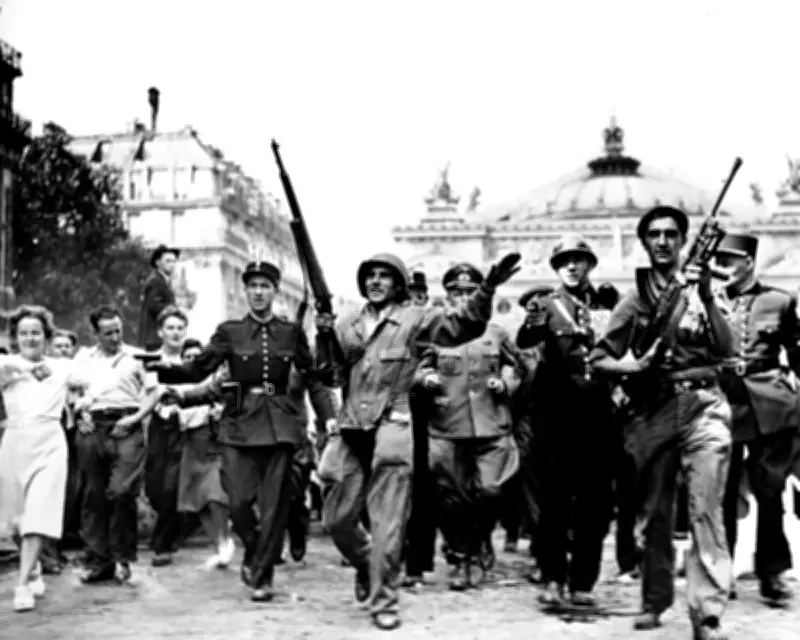
Michael Rosen's research into his family's history reveals that local policemen arrested Jewish men and women, including his father's uncles and aunt, and handed them over to the Nazis. These gendarmes operated under local administrators who were "honoured" to follow Nazi commandants' orders. However, Resistance memorials, often in isolated rural areas, list names of Jewish fighters and, in one case Rosen knows of, a black member of the Resistance.
As the occupation neared its end, Nazi generals were instructed to massacre partisans, and some young French men joined the armed Milice, who collaborated with the occupiers to betray the Resistance. After the war, reprisals against the Milice sometimes involved summary executions, while administrators who aided the Nazis might have been tried and imprisoned but were soon freed under state-ordered amnesties.
De Gaulle's Symbolism and French Autonomy
Anthony Lodge, writing from Carnbee, Fife, suggests that French cinemagoers' interest in Charles de Gaulle runs deeper than current political anxieties about the extreme right. De Gaulle symbolizes resistance to external forces threatening French autonomy and identity. Since the war, France has striven to maintain freedom from outside interference in military, economic, and cultural spheres, as seen in weapons procurement, the nuclear deterrent, space exploration, Airbus, automobiles, and the preservation of Paris and Notre Dame.
This urge underlies the defense of the French language as a symbol of internal cohesion and external distinction. Lodge notes that these questions do not seem to concern people in the UK, but they should.
Grassroots Choices and Historical Memory
Rosen emphasizes that the dilemmas faced by leaders were not the only ones; the grandparents and great-grandparents of most cinemagoers faced life-or-death choices, sometimes holding their neighbours' lives in their hands. This complex picture of grassroots choices includes support for an illegitimate occupation, part of a Europe-wide genocide and rule by terror, and defiance against it.
The letters collectively call for a broader understanding of wartime France, acknowledging both collaboration and resistance at the local level, and the lasting legacy of figures like De Gaulle in shaping national identity.