A powerful new documentary has unveiled a deeply concealed family history, revealing how a mother's fabricated tales of wartime heroism masked a traumatic reality of survival in Nazi camps. Journalist Marisa Fox spent fifteen years investigating her mother's past, discovering a web of lies about her age, name, and experiences during the Second World War.
The Unravelling of a Family Myth
Growing up, Marisa Fox was captivated by her mother's stories of being a teenage spy and saboteur in a radical Jewish underground group in Palestine. Her mother claimed to have been sent there from Poland at age thirteen, just before the Nazi occupation, proudly declaring herself "a hero, never a victim." However, Fox's childhood questions about timeline inconsistencies were met with a firm "No more questions."
The truth remained buried until 2010, when a great-aunt suffering from dementia inadvertently revealed, "Your mother had a hidden identity." This cryptic comment launched Fox on a relentless international quest, culminating in the documentary My Underground Mother.
The Harrowing Truth of Gabersdorf Camp
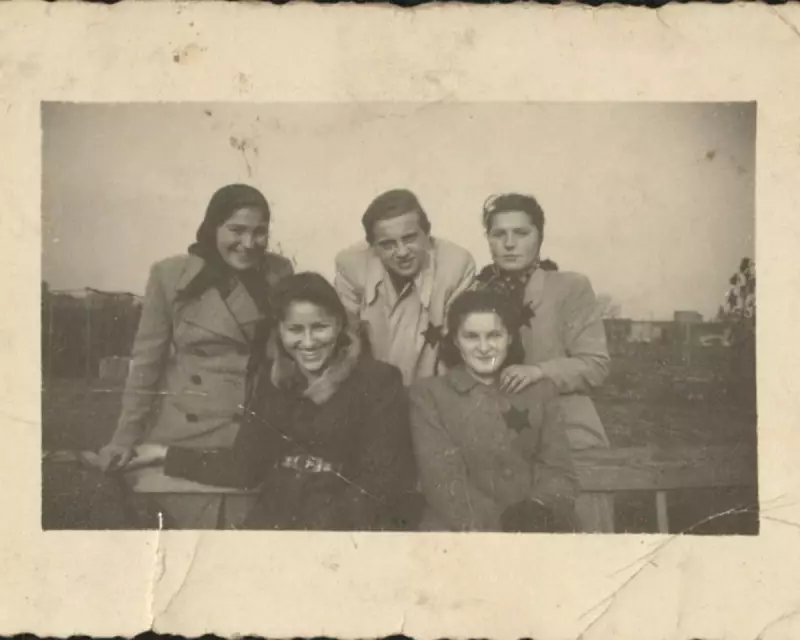
Fox discovered her mother, Hela Hocherman, was actually about fourteen when the Nazis invaded Poland and was not sent to Palestine. Instead, she was taken to the Gabersdorf forced labour camp after her birth mother was sent to Auschwitz. Fox tracked down scores of surviving women from Gabersdorf, now in their 80s and 90s, across Sweden, Australia, the US, and Israel.
Their testimonies, and a secret journal kept by 60 camp inmates, painted a devastating picture. The girls endured back-breaking labour for the Nazi war machine. The documentary reveals a complex and dark chapter where British prisoners of war (PoWs), receiving Red Cross parcels, used food and chocolate to barter for sex with the starving, vulnerable teenagers. "The Diary of Anne Frank this wasn't," Fox quips in the film.
Sexual Violence and a Culture of Secrecy
The situation grew far grimmer in 1943 when SS guards took over. They conducted nude inspections, selecting women to be trafficked as sex slaves for soldiers on the eastern front. Others were raped within the camp itself. Fox reveals one girl was murdered for becoming pregnant from a rape.
This systemic sexual violence, a war crime, was meticulously omitted from Nazi records, likely because relations between Jews and non-Jews constituted "racial defilement." Tragically, the abuse did not end with liberation; Russian liberators also raped the girls at Gabersdorf.
A Life Reinvented and a Legacy of Shame
After the war, Fox's mother reached Palestine, joining an insurrectionist movement involved in Israel's creation. She later emigrated to the US, married in the 1950s, and raised a family in New York, completely severing ties with her camp sisters. She spoke proudly of her militant past but never a word of Gabersdorf.
Fox believes her mother was haunted by layers of shame: "Shame about having survived the camp, shame about whatever sexual abuse she experienced... and shame about discovering she had been a love child." Even when diagnosed with colon cancer in the 1990s, she forbade her family from telling anyone, terrified of being pitied.
Reclaiming the Narrative
Fox admits to doubts about exposing her mother's secrets but felt compelled to reclaim the truth. "Shame needs to change sides," she asserts. "The shame doesn't belong to the women. It belongs to the men who did this to them." Her film aims to absolve survivors of guilt and give voice to long-silenced horrors.
My Underground Mother is screening at the New York Jewish Festival on 19 and 20 January before a wider release later this year. The documentary stands as a testament to the enduring scars of trauma and the complex legacies of survival.