How Entertainers Provided Balm for a Shellshocked Nation
In his compelling new historical work, Camden-based writer Alwyn Turner examines the vital role that popular entertainers played in helping Britain recover from the psychological devastation of the First World War. "A Shellshocked Nation: Britain Between the Wars" moves beyond conventional political history to highlight how music and performance offered essential emotional relief to a traumatized population.
The Unforgettable Marie Lloyd
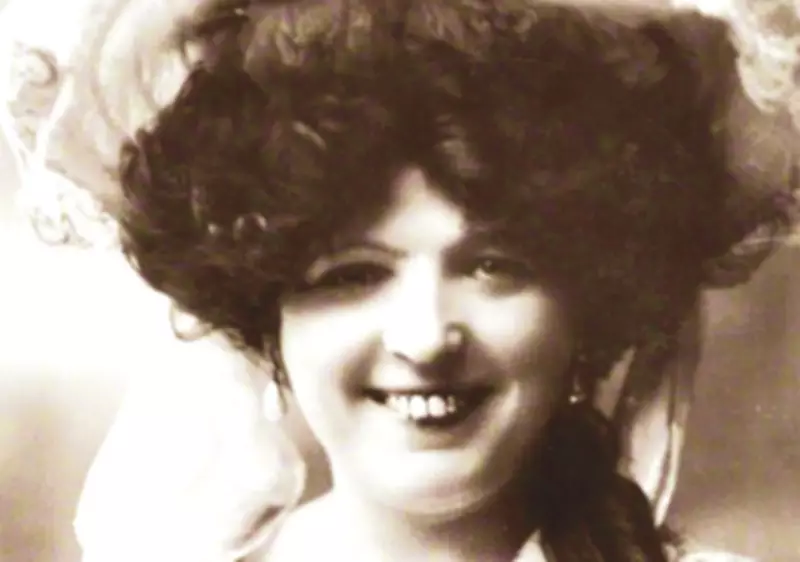
The funeral of beloved singer and comedienne Marie Lloyd in October 1922 stands as one of Camden's most remarkable public gatherings. More than 50,000 mourners lined the streets for the two-mile procession to Hampstead Cemetery, with an additional estimated 120,000 fans making pilgrimages to her gravesite in the following week. This extraordinary outpouring demonstrated the deep connection between performers and the public during this difficult period.
Born in Hoxton, Marie Lloyd had maintained her position as "Queen of the Music Halls" for three decades through hundreds of performances and international tours. Turner reveals that by February 1920, when she turned fifty, the relentless pace had taken its toll. Despite serious heart and kidney conditions that led her doctor to give her just three months to live in summer 1921, Lloyd returned to the stage in early 1922 before breaking down in tears during a Cardiff performance.
Her signature songs like My Old Man (Said Follow the Van) and Oh, Mr Porter captured the spirit of working-class London, while her risqué numbers including What's That For, Eh? established her as a cheeky, flirtatious cockney girl who resonated deeply with audiences.
Critical Recognition and Cultural Impact
American poet T.S. Eliot, writing from his Bloomsbury base for The Dial magazine, articulated what made Lloyd extraordinary: "It was, I think, this capacity for expressing the soul of the people that made Marie Lloyd unique and that made her audiences, even when they joined in the chorus, not so much hilarious as happy."
Turner's research extends beyond Lloyd to other significant figures who helped the nation heal. Sir Harry Lauder, knighted for his charitable work during the war, wrote Keep Right On to the End of The Road in 1924 in memory of his son Captain John Lauder, killed in December 1916. Turner notes that this personal tragedy gave the song profound new meaning for a grieving nation.
Quirky Characters and Institutional Changes
The book also features colorful personalities like Queenie Day, who in 1937 lived on Carleton Road in Tufnell Park. Her home backed onto Holloway Prison, then Britain's largest women's prison, where she maintained conversations with inmate friend Elsie Carey until prison authorities discovered their communication method and relocated Carey to a less accessible cell.
Turner documents significant cultural shifts, including the BBC's 1932 move from Savoy Hill to the newly constructed Broadcasting House near Oxford Circus. The first transmission from the new facility featured future band leader Henry Hall announcing "Hello everyone, this is Henry Hall speaking" before his band played It's Just The Time For Dancing.
Historical Context and Future Projects
Turner, who lives near Camden Lock and enjoys walking in Regent's Park, builds on the foundation established in his previous work Little Englanders: Britain in the Edwardian Era, which examined music hall culture where audiences frequently shouted at performers. His current research for a novel about 1950s postwar Britain, potentially titled after the Johnny Kidd and the Pirates record Shakin' All Over, continues his exploration of how popular culture reflects and shapes national recovery.
Through meticulous research and engaging storytelling, Turner demonstrates how entertainers provided more than mere distraction—they offered genuine healing to a nation that had lost nearly one million lives in the Great War, creating spaces where collective grief could transform into shared joy and resilience.