London's largest borough, Croydon, boasts a surprisingly spicy heritage that contrasts sharply with its contemporary urban landscape. Home to approximately 390,000 residents according to the 2021 census, this area has transformed from a Saxon market settlement into one of the capital's most significant residential and commercial hubs.
The Saffron Connection
Intriguingly, Croydon's name carries a delicious secret rooted in culinary history. The borough derives its identity from the Anglo-Saxon terms croh, meaning crocus or saffron, and denu, signifying valley. Together, they translate to 'Saffron Valley', revealing the area's historical association with one of the world's most valuable spices.
Saffron, extracted from the delicate stigmas of the Crocus sativus flower, represented a precious commodity during medieval times. This vibrant spice served multiple purposes across different cultures:
- As a medicinal remedy for various ailments
- As a flavoring agent in culinary creations like risotto
- As a vibrant dye for textiles and fabrics
Croydon's Spice Industry
In historical Croydon, saffron cultivation developed into a significant local industry, particularly for textile dyeing purposes. Farmers cultivated saffron crocuses in specially prepared beds, harvesting the flowers during autumn months. Workers would then meticulously hand-pick the flower's crimson stigmas before drying them to produce the valuable spice.
The resulting saffron would typically be sold at local markets or traded for other essential goods, contributing to the area's economic vitality during its agricultural heyday.
Decline and Legacy
Unfortunately, Croydon's saffron industry began to wane during the 16th century as imported spices became more readily available and cost-effective. Despite this decline, the borough's spicy heritage remains permanently etched in its identity.
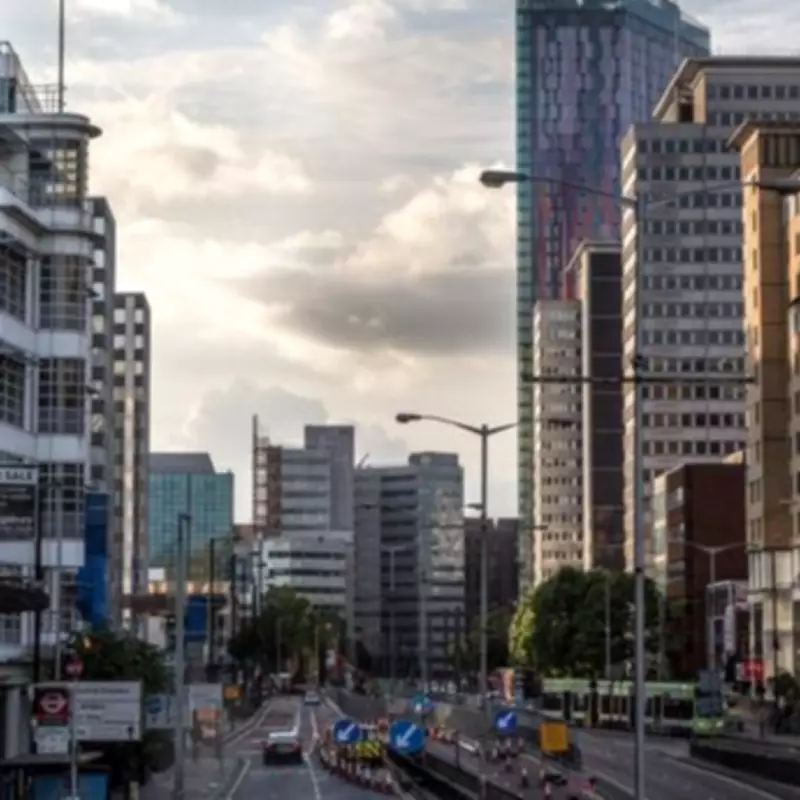
Croydon's coat of arms proudly features a saffron crocus flower, serving as a visual reminder of the area's aromatic past. This historical symbol stands in stark contrast to the modern concrete landscape that characterizes contemporary Croydon, known for neighborhoods including:
- Thornton Heath
- New Addington
- Norbury
- Purley
- Coulsdon
Evolution of the Name
Over centuries, the area's designation has undergone several transformations. Historical records, including the Domesday Book, document variations such as 'Croindune' and 'Croindone' before the name eventually standardized as Croydon. This linguistic evolution mirrors the borough's physical transformation from agricultural valley to urban center.
Today, while saffron fields have long since disappeared beneath urban development, Croydon's name continues to whisper tales of spice-filled valleys and medieval commerce, preserving a flavorful chapter in London's rich historical tapestry.