Colander sales jumped nearly 40% at John Lewis compared with last year as Britons used the kitchen staple to safely view the partial solar eclipse that captivated millions on Wednesday evening. The retailer confirmed the surge, while Tesco reported a rise of more than 130% week on week for its stainless steel colanders and a 13% increase for plastic versions.
Eclipse viewing and safety measures
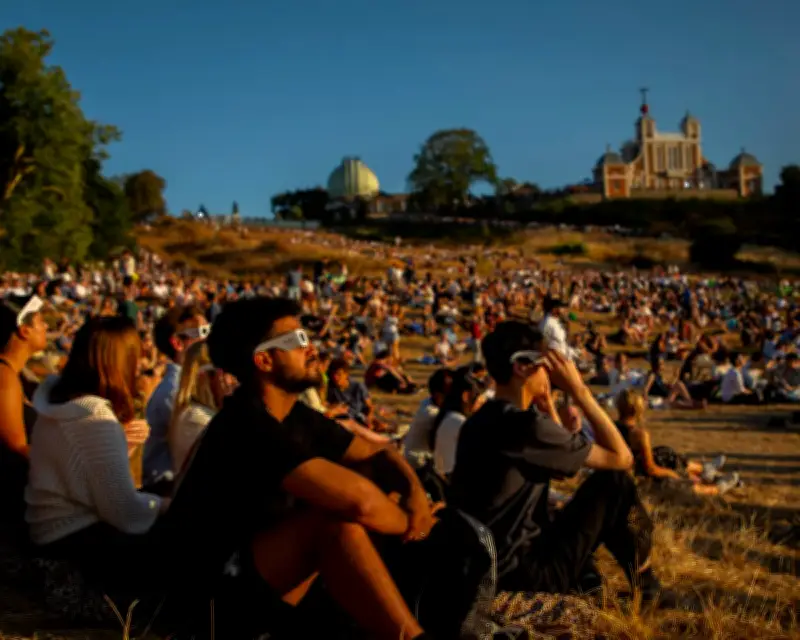
The eclipse, which obscured more than 90% of the sun for the most significant event visible in the UK since 1999, drew crowds to popular spots including the Royal Observatory Greenwich in London, Stonehenge in Wiltshire, Calton Hill in Edinburgh, and outside Queen’s University in Belfast. Many people queued for proper protective eyewear, but when those sold out, they turned to homemade viewers made from cereal boxes or colanders used as pinhole projectors.
Safety advice was widely followed, with the Royal College of Ophthalmologists among those urging protection, warning that even brief exposure could cause lasting vision damage. In 1999, more than 100 people called a helpline at Moorfields eye hospital within an hour of the eclipse, and the royal college reported 70 cases of serious damage, though none permanent.
Clean-up efforts and litter complaints
Despite the safety success, the event left a mess. Huge piles of litter were reported, with one pub in Manchester threatening to bar anyone responsible. The Tandle Hill Tavern staff posted that they were “honestly enraged by the amount of rubbish” picked up at the nearby Tandle Hill War Memorial viewing point, warning that those responsible could “consider yourself barred”.
Large numbers of Lime bikes were also abandoned in London. A spokesperson for the firm said: “Last night’s solar eclipse was a once-in-a-lifetime event, and we’re delighted to have helped so many Londoners experience it … our on-street team was quick to respond and moved and tidied bikes in areas where demand for our service was extremely high.”
Impact and aftermath
By Thursday morning, Moorfields had fewer than 30 people using its accident and emergency services for eclipse-related problems, while the NHS trust running the Birmingham and Midland Eye Centre reported dealing with just eight patients. This suggests that, despite a surge in “eyes hurt” Google searches, there was little sign of problems on the scale seen in 1999.
The event highlighted both the creativity of Britons in finding safe viewing methods and the challenges of managing large crowds, with rental bikes and litter requiring significant clean-up efforts. As the next eclipse approaches, organisers and local authorities may need to plan for similar logistical issues.