Shroud of Turin Mystery Deepens with Carrot and Cat DNA Discovery
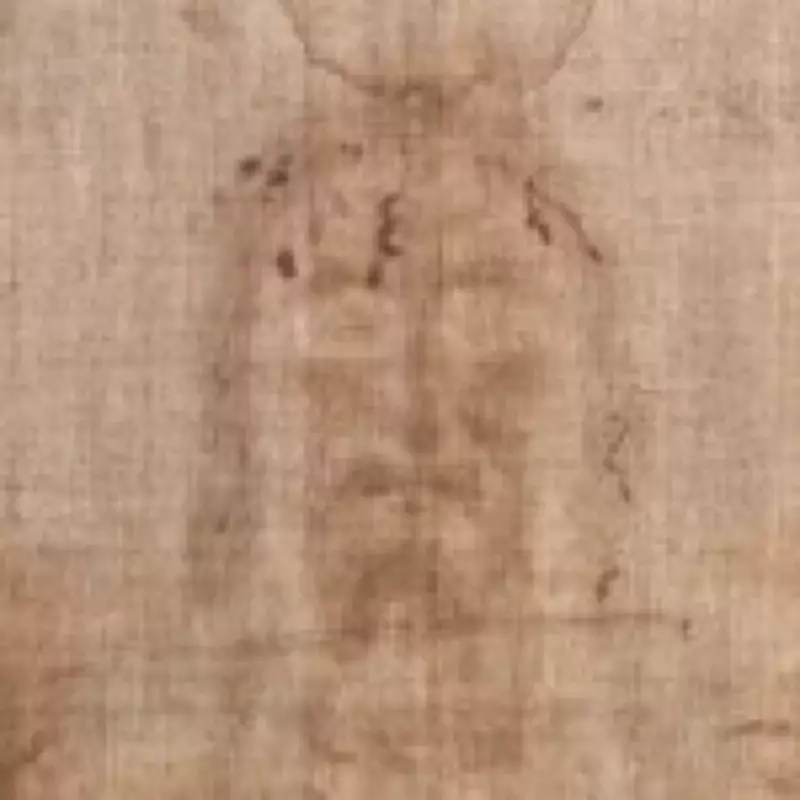
The enigmatic Shroud of Turin, long revered by some as a sacred relic from the crucifixion of Jesus Christ, has been thrust back into scientific controversy. Advanced DNA analysis has uncovered that the cloth is extensively covered in carrot and cat genetic material, casting significant new doubt on its Biblical origins and reinforcing theories that it is a medieval fabrication.
Historical Context and Previous Doubts
Since its first documented appearance in 1354 in the French village of Lirey, the authenticity of the 4.4 by 1.1 meter textile has been hotly debated. Many historians and scientists now widely regard it as a medieval hoax, a perspective bolstered by a carbon-dating study in 1989 that placed its creation between 1260 and 1390. Additionally, experts have noted there is no evidence that the type of loom needed to produce such fabric existed in the Mediterranean region during the time of Jesus.
In 2015, a research team led by Professor Gianni Barcaccia from the University of Padova proposed that the shroud might have originated in India, based on genetic material collected in 1978. This hypothesis has now been revisited with more sophisticated techniques, leading to startling new findings.
Latest DNA Analysis Reveals Surprising Contaminants
Using state-of-the-art methods, researchers have re-examined DNA samples from the shroud. Their results, published on the preprint server bioRxiv in March 2026—though not yet peer-reviewed—have identified a diverse array of genetic material. Animal DNA constituted a substantial portion, with cats and dogs accounting for approximately 44% of the findings. Plant DNA was equally varied, with carrot DNA representing about one-third of the plant material detected.
Other plant species identified include wheat, maize, rye, and a range of fruits and vegetables. Notably, some of these plants, such as bananas, potatoes, and tomatoes, were only introduced to Europe after the 16th century, raising further questions about the shroud's antiquity.
Implications for the Shroud's Origins
The research team emphasized that the carrot DNA found on the shroud is genetically similar to early cultivars and improved varieties, which descended from orange carrot types developed in Europe between the 15th and 16th centuries. While wild carrots with white roots existed in Europe for over two millennia, as documented by Pliny the Elder and used by Romans for medicinal and culinary purposes, the specific DNA matches point to a later period.
Furthermore, the presence of Solanaceae crops like tomatoes, peppers, and potatoes, along with peanuts—all native to Latin America—poses a significant conundrum. These findings suggest the shroud could not have originated in the Middle East during Biblical times, as typical flora from that region is absent. Instead, the prevalence of Mediterranean crops aligns with a medieval European context.
Debate Continues Amid Contamination Possibilities
While the DNA evidence strongly supports the hypothesis that the Shroud of Turin is a medieval fake, researchers caution that later contamination cannot be entirely ruled out. This nuance ensures that the debate over the shroud's authenticity will persist, with believers and skeptics alike scrutinizing every new piece of evidence.
The latest analysis not only deepens the mystery surrounding this iconic relic but also highlights the ongoing intersection of science, history, and faith. As technology advances, further studies may provide additional insights, but for now, the shroud remains one of the most contentious artifacts in religious history.