Bromley Council Greenlights £3.9 Million Archive in Historic Gardens Despite Widespread Opposition
Bromley Council has officially approved the construction of a £3.9 million archive storage facility within the Grade II listed Priory Gardens in Orpington, South London. This decision comes despite significant local opposition, including a petition with over 3,000 signatures and numerous formal objections from residents and community groups.
Controversial Approval Sparks Community Backlash
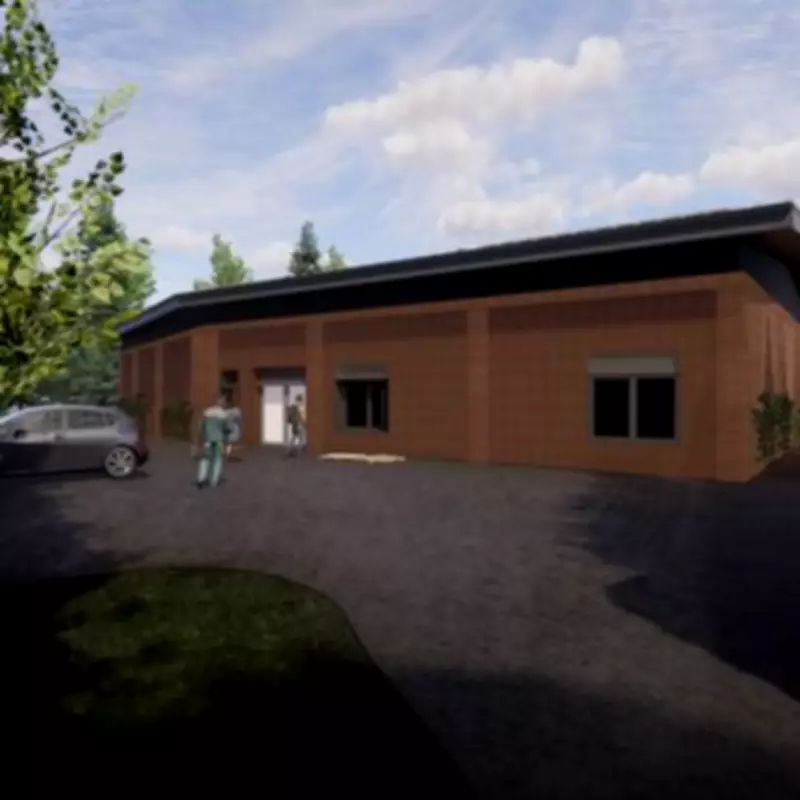
The council's Plans Sub-Committee No.1 gave the green light to the museum archive proposal on Thursday, February 19, 2026. The facility aims to consolidate all of Bromley's museum and art collections under one roof, replacing the current storage arrangements in the private depot within Priory Gardens. However, objectors have vehemently opposed the project, comparing the structure's appearance to Belmarsh Prison and expressing fears that it will "tarnish the beauty and serenity" of the historic garden.
Caroline Jeffrey, spokesperson for the Protect Priory Gardens campaign, stated: "This campaign was never about opposing archives in principle. It was about safeguarding openness, policy integrity, providing value to Orpington High Street, our community and the long-term future of a historic park in the centre of Orpington."
Council Defends Decision as Heritage Safeguard
Council officials argue that the archive is essential for preserving the borough's heritage. Cllr Yvonne Bear, Bromley's Executive Councillor for Renewal, Recreation and Housing, emphasized: "Our borough's heritage is important and we need to ensure that the archives, which contain important historical records, and museum items are properly stored in line with national guidance. The building will meet future needs as well and with the new covered display area, will increase access for school children and local people to our local history."
The one-storey structure features a low-pitched roof designed specifically to meet national archiving standards for storing heritage artefacts and documents. While the new archive will have nearly three times the floorspace of its predecessor, the council confirmed that its overall height from ground level to roof apex will be shorter than existing buildings in the depot.
Modifications Made Following Public Consultation
In response to public concerns, Bromley Council made several modifications to the original plans. These changes include reducing the site's footprint to create new publicly accessible open space, adding a garden tool storage area for public use, and introducing a canopy to support outdoor educational and community activities. The council also retained the Friends Growing Space and added a disabled toilet for public use during garden events.
Cllr Shaun Slator, Chairman of the planning committee, explained: "We were satisfied that there was a statutory need for these facilities, with the design following the specific requirements. I am glad that the development increases the amount of publicly accessible open space within Priory Gardens and the community use is further strengthened."
Access and Ongoing Community Concerns
The archive facility will not be open to the public on a day-to-day basis, but residents will be able to request access to its contents by appointment at the new Bromley Central Library. Despite the council's assurances, the Protect Priory Gardens campaign remains concerned that the approval decision gave insufficient weight to Priory Gardens' designation as an Urban Open Space and a Registered Historic Park.
Jeffrey added: "The level of public engagement — 112 formal objections and over 3,000 petition signatures — shows how strongly residents feel about Priory Gardens. The decision may mark the end of this application, but it does not diminish the value of the park or the commitment of the community to its future. We will continue to advocate for transparency, careful stewardship, and improvements that genuinely enhance the park for all."
The £3.9 million project represents a significant investment in Bromley's heritage infrastructure, but its approval has highlighted tensions between preservation needs and community attachment to cherished green spaces in South London.