The Hidden Narrative of Black Americans in the Vietnam War
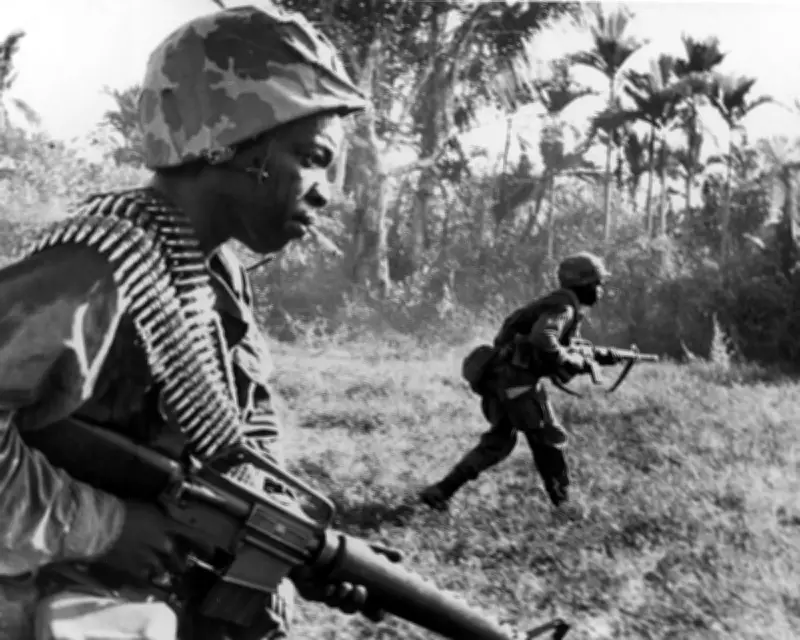
In a powerful new publication, author Wil Haygood delves into the often-overlooked experiences of Black soldiers during the Vietnam War. His book, The War Within a War: The Black Struggle in Vietnam and at Home, serves as a crucial reminder of this complex chapter in history, particularly as contemporary political shifts attempt to alter the record of Black military contributions.
A Personal Journey into History
Haygood, a seasoned journalist and author, recounts a poignant moment from his research. During a meeting in Washington DC, he carefully extracted a fragile, yellowed leaflet from a Ziploc bag. This propaganda piece, distributed by North Vietnamese forces, was aimed directly at Black GIs, urging them to recognise their true battlefield as the United States, where racial discrimination persisted. One veteran, Dr. Elbert Nelson, entrusted this artifact to Haygood, symbolising the deep emotional resonance of these stories.
The book weaves together accounts from a diverse array of Black Americans involved in Vietnam from the mid-1960s to the mid-1970s. This includes soldiers, marines, pilots, medical professionals, reporters, and activists, offering a multifaceted view of their struggles and triumphs.
Racism on the Front Lines and at Home
Haygood highlights the stark realities faced by Black servicemen. Despite Vietnam being the first desegregated war in U.S. history, where Black and white troops relied on each other in combat, racial tensions often simmered beneath the surface. He cites sobering statistics from the Library of Congress: approximately 300,000 African Americans served, with Black soldiers disproportionately filling ground combat roles and suffering higher casualty rates. Dr. Martin Luther King Jr. famously described the conflict as "a white man’s war, a Black man’s fight," a phrase that encapsulates the book's central theme.
The author draws on a poignant quote from James Baldwin, written in 1967, which underscores the connection between domestic racism and foreign policy. Baldwin's words, featured at the start of Haygood's work, argue that a racist society inevitably fights racist wars, a sentiment that resonated deeply with many Black soldiers.
From Childhood Memories to National Legacy
Haygood's inspiration for the book stems from his childhood in Columbus, Ohio. He recalls a neighbourhood sports hero, Skip Dunn, who vanished to serve in Vietnam. This personal connection, combined with the turbulent aftermath of Martin Luther King Jr.'s assassination in 1968, sparked his interest in exploring the broader Black experience of the war. Through extensive interviews and research, he uncovered stories of figures like Joseph B. Anderson, a West Point graduate, and George Forrest, a hero of the Ia Drang battle.
The narrative also touches on cultural responses, such as Motown's anti-war efforts and Marvin Gaye's album What’s Going On, inspired by his brother's service. Additionally, it profiles individuals like nurse Dorothy Harris and pianist Philippa Schuyler, who found unexpected camaraderie and purpose among Black troops.
Modern Implications and Historical Erasure
As The War Within a War is released, Haygood addresses ongoing attempts to rewrite Black military history. He notes efforts by the Trump administration to revoke honors from Black soldiers, such as the renaming of Fort Gregg-Adams, which had previously recognised Lt. Gen. Art Gregg and Lt. Col. Charity Adams. Gregg, who died in 2024, had praised such initiatives as progress, making their reversal particularly poignant.
Haygood emphasises the timeliness of his book, viewing it as a necessary counter to historical whitewashing. He asserts that writers and filmmakers must step up to preserve these truths, vowing to continue the fight against erasure. Through vivid storytelling and meticulous research, The War Within a War not only honours the sacrifices of Black Americans in Vietnam but also challenges readers to confront the enduring legacies of racism in military and societal contexts.