Ancient DNA analysis has revealed that a 4,000-year-old shaman burial from Wiltshire, long assumed to be male, is actually female. The discovery, made at the Francis Crick Institute, challenges deep-seated assumptions about gender roles in prehistoric societies and underscores how rapidly advancing technology is transforming our understanding of human history.
Upton Lovell Shaman: A Woman of Status
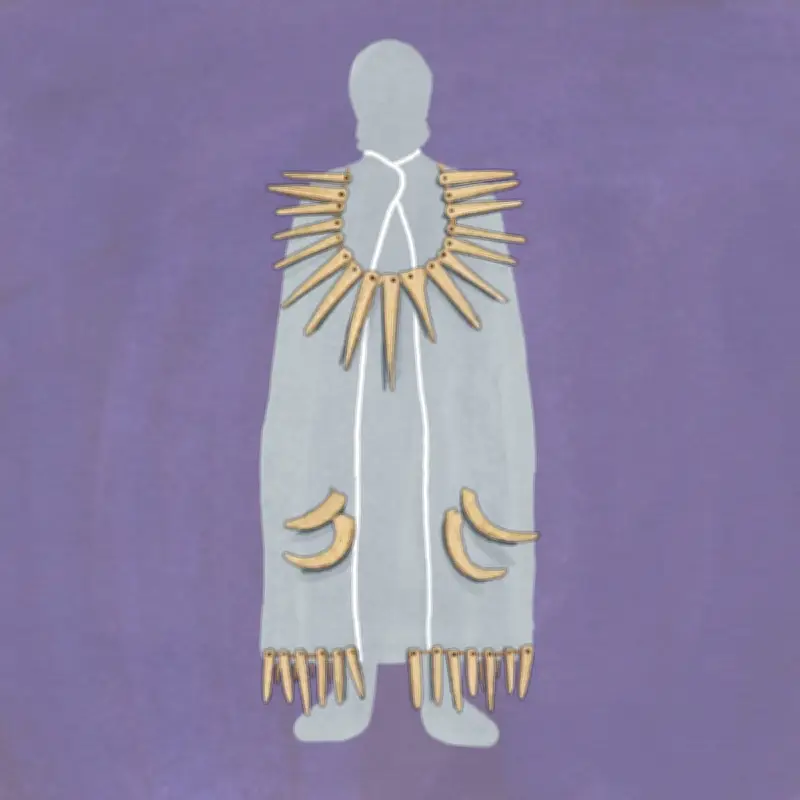
The Upton Lovell Shaman, whose remains are held by the Wiltshire Museum, was buried with artefacts and tools indicating she was an important religious leader and metalworker. For decades, archaeologists assumed the individual was male due to the high status of the burial. However, ancient DNA analysis has now proven the skeleton is female, prompting a reevaluation of Bronze Age social structures.
How Ancient DNA Is Rewriting History
Since around 2010, the technology to extract and read DNA from ancient, poorly preserved samples has improved exponentially. This has led to numerous revelations that upend long-held beliefs. For instance, genetic studies have shown frequent interbreeding between humans and Neanderthals just 50,000 years ago, and that the first modern Britons likely had dark to black skin. Ancient DNA also solved the mystery of what killed two members of the Medici family in the 16th century: malaria, not murder as previously thought.
Mapping Migrations and Plagues
DNA analysis has been particularly useful for mapping ancient migrations, sexual relations, family structures, and the spread of diseases. It has revealed that groups of ancient humans moved and intermixed far more often than previously believed, painting a picture of a dynamic and interconnected ancient world. For example, evidence shows the near-total replacement of Stonehenge-building Neolithic Britons by Bell Beaker people around 2400 BC, though the reasons remain unknown.
Challenging Biases in Archaeology
The assumption that the Upton Lovell Shaman was male reflects broader biases in archaeology. Last year, a study using DNA analysis proved that famous plaster casts from Pompeii, long believed to show a mother and child in a final embrace, were actually two unrelated individuals, both male. The researchers noted that no evidence supported the earlier interpretation, but the romantic narrative proved irresistible to scholars and the public alike.
A Lesson in Humility
According to the authors of the study, the constant stream of debunking from ancient DNA research should make us humble about how little we truly understand. While DNA evidence will not overturn every biased judgment, each case makes it easier to recognize how readily we project modern assumptions onto the past. The past, they argue, is more interesting when considered on its own, often foreign terms.