Archaeologists Unearth 2,600-Year-Old Shipwreck Graveyard Off Greek Island
In a groundbreaking discovery, archaeologists have revealed a 'shipwreck graveyard' dating back more than 2,600 years off the coast of the ancient Greek island of Karpathos. This remarkable find, announced in early April 2026, includes five shipwrecks—four ancient and one modern—with the earliest remnants tracing to around the 7th century BC. The island of Karpathos, famously referenced in Homer's texts and later inspiring science fiction writer Jules Verne, has long been celebrated for its rich maritime history and exploration legacy.
Extensive Underwater Exploration Yields Historic Finds
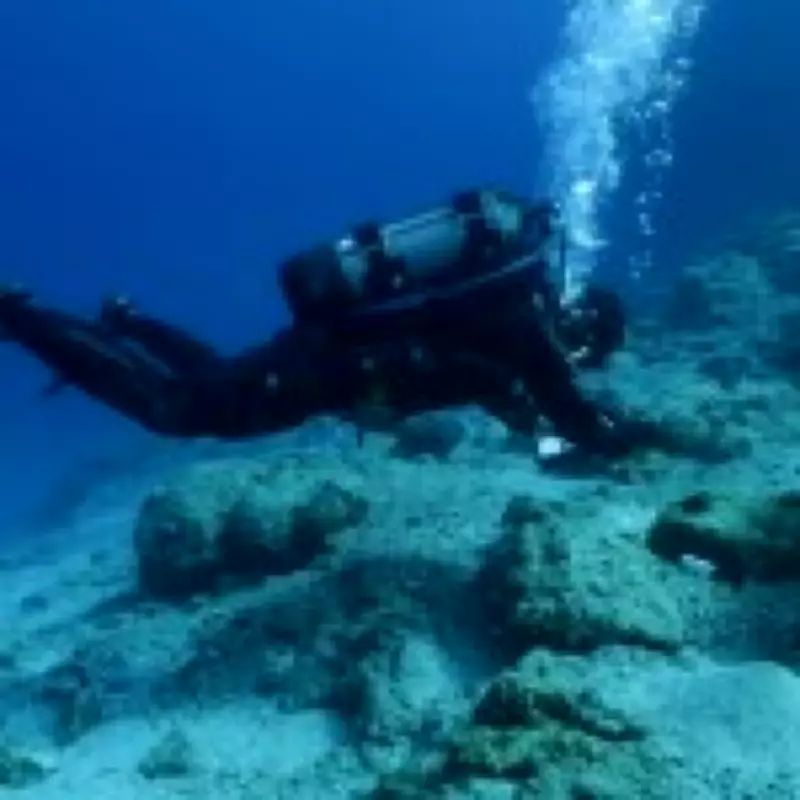
Over recent months, teams of Greek and international researchers conducted more than 120 dives at depths ranging from three to 45 meters across northern Karpathos and the nearby island of Saria. Their focus centered on areas where remains of the ancient settlements of Vrykountos and Nisyros are visible. These sites were integral to the 'Karpathian tetrapolis,' a major political and maritime network described by the ancient geographer Strabo, comprising four city-states that dominated regional trade and culture.
The underwater exploration uncovered remains spanning over 26 centuries, from the late 7th century BC to the early 19th century AD. Among the most significant discoveries are the four ancient shipwrecks, which date from earlier Greek periods, when Sparta was at its peak, through to the Roman era. Researchers also found numerous amphorae—double-handed vases used to store water, oil, or wine—along with the remains of harbor infrastructure and more than 20 Byzantine anchors. These artifacts indicate that the area once experienced substantial marine traffic and served as a crucial hub for ancient commerce and navigation.
Highlighting the Importance of Late Antiquity
The findings, combined with extensive residential and ecclesiastical remains at Tristomo, underscore the area's significance during Late Antiquity. This period, marked by the transition from classical antiquity to the Middle Ages, saw Karpathos as a vibrant center of activity, linking various civilizations across the Mediterranean. The discovery of the shipwreck graveyard provides new insights into the maritime routes and economic networks that flourished in this region for millennia.
Collaborative Efforts and Broader Research Initiatives
The expedition involved over 40 specialists from diverse disciplines, including archaeologists from Mexico's National Institute of Anthropological Research and staff from the Norwegian Maritime Museum. Funding for the project was provided by several public and private bodies, such as Greece's General Secretariat for Aegean and Island Policy and the National Research Foundation, highlighting the international collaboration driving this archaeological breakthrough.
In addition to the survey, a separate initiative examining the impact of climate change on underwater cultural heritage has been completed. This included conservation work on historical artifacts in the waters around Kasos, part of a wider research program launched in 2019 to map underwater cultural heritage in the south-eastern Aegean. These efforts aim to preserve and study submerged sites threatened by environmental changes, ensuring that future generations can learn from these invaluable historical treasures.
The discovery of the shipwreck graveyard off Karpathos not only enriches our understanding of ancient Greek maritime history but also emphasizes the ongoing importance of archaeological research in uncovering the past. As scientists continue to explore these underwater sites, they hope to reveal more about the civilizations that once thrived in this storied region of the Aegean Sea.