1951 Country Diary Chronicles Ploughmen's Priorities
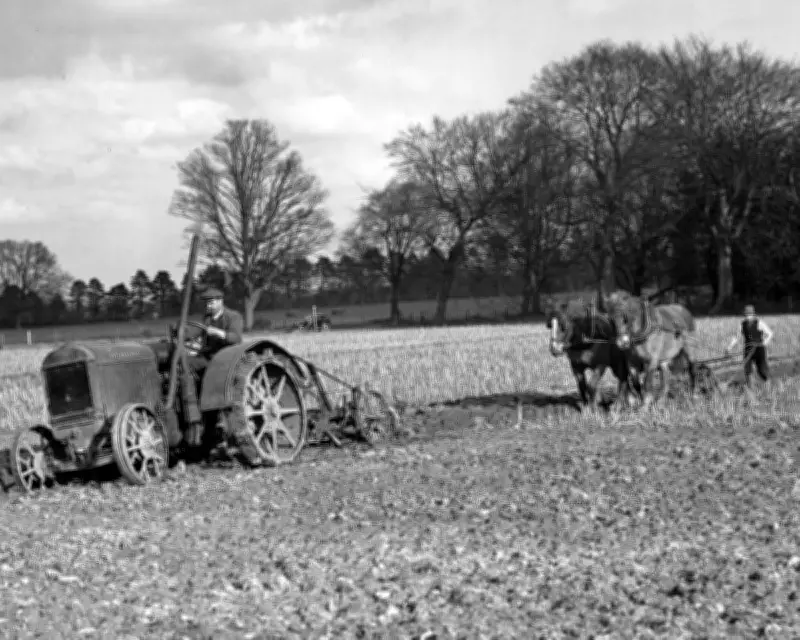
In a revealing entry from a 1951 country diary, it was noted that ploughmen across rural Britain were conspicuously absent from traditional ploughing competitions. Instead, these skilled agricultural workers chose to dedicate their time and effort to tending their own fields. This decision marked a significant departure from the usual community events that celebrated farming prowess and camaraderie.
A Shift in Agricultural Focus
The diary entry, penned in the early post-war period, sheds light on the changing dynamics within the farming community. After the upheavals of World War II, many ploughmen felt a pressing need to focus on personal agricultural responsibilities. The competitions, which had long been a staple of rural life, were seen as less critical compared to the demands of their own land. This shift suggests a move towards more individualized farming practices, possibly driven by economic pressures or a desire for self-sufficiency.
Historical Context and Community Impact
During the 1950s, Britain was undergoing a period of reconstruction and modernization, which affected all sectors, including agriculture. The ploughmen's absence from competitions may reflect broader trends in the industry, such as the adoption of new technologies or changes in land management. Community events like ploughing matches were not just about skill; they served as social gatherings that reinforced local bonds. By missing these, the ploughmen inadvertently highlighted a potential weakening of traditional rural ties.
Insights into Post-War Rural Life
The diary provides a poignant glimpse into the daily lives of farmers during this era. It emphasizes the practical challenges they faced, from soil preparation to crop yields, which took precedence over recreational activities. This focus on their own fields underscores the hard work and dedication required to sustain agricultural livelihoods in a time of recovery. The entry serves as a reminder of the resilience and adaptability of rural communities in the face of changing circumstances.
Legacy and Modern Reflections
Today, this 1951 account offers valuable historical insights into the evolution of British farming. It prompts reflections on how agricultural priorities have shifted over the decades, from community-oriented practices to more individualized approaches. The story of the ploughmen missing competitions resonates with contemporary discussions about sustainability, local food production, and the balance between work and community engagement in rural areas.