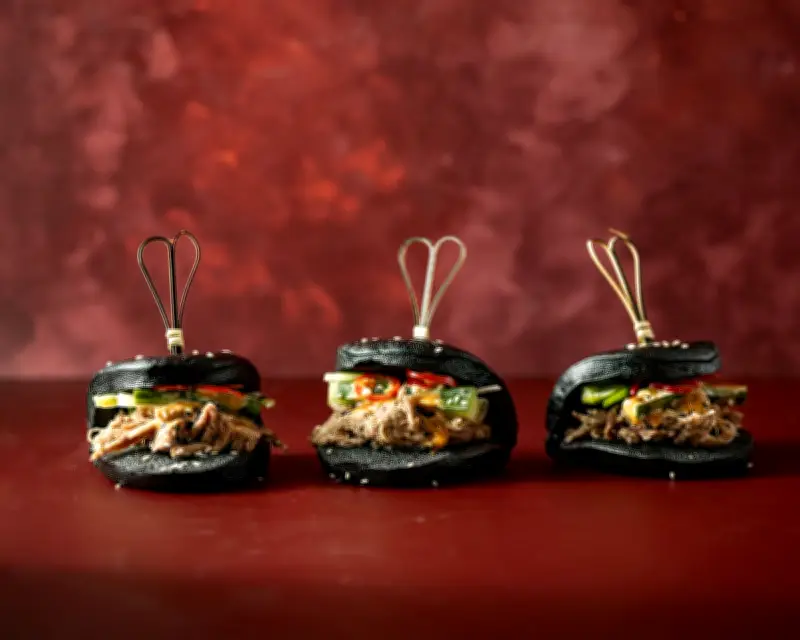
At Dark Mofo's Winter Feast in Hobart, attendees lined up for brushtail possum bao, a dish that took chef Jeremy Waterhouse six months to develop. The festival, known for blending art, music, and food, featured unusual Tasmanian ingredients like bull kelp, abalone, and wallaby, with possum bao as a standout item.
Chef's Journey to Normalize Possum
Jeremy Waterhouse, chef at Hobart's South Wine Bar, first introduced possum to his menu three years ago. "People were a bit freaked out. My wife thought I was crazy, so I ordered it on the sly," he said. After six months of trial and error, he created a recipe that felt familiar: the whole carcass is brined for 24 hours, dusted with spices, sous vide for 10 hours, then shredded. At Dark Mofo, the bao was served alongside ex-dairy cow burgers.
Ecological and Ethical Considerations
Ecologist Henry Cook confirmed that brushtail possums are abundant in Tasmania due to habitat changes and the decline of natural predators like the Tasmanian devil. "Ecologically, it's all very much above board," he said. Harvesting is highly regulated to ensure sustainability and humane treatment. Lenah Game Meats, which supplied the possum, emphasizes using the whole animal: fur is sold for yarn, skins are made into cloaks for First Nations people, and meat is a low-emission protein source.

Cultural and Historical Context
Palawa woman Kitana Mansell noted that Tasmanian Aboriginal people have eaten possum for millennia, traditionally slow-cooked in earth ovens. Her company, Palawa Kipli, is Tasmania's only Aboriginal-owned food enterprise. The possum's role as a food source challenges Australia's limited incorporation of Indigenous foods into national cuisine.
Consumer Reactions
Punters at the feast had mixed but positive reactions. Andrew "loved it!" while Angus felt he had "finally settled a score" with possums wreaking havoc in his roof. The dish's mild, sweet flavor was compared to duck but lighter. Waterhouse has since added possum bao to his restaurant menu due to demand.