Chefs in eastern Sweden are increasingly turning away from imported ingredients, instead championing local produce in a movement that ties food directly to the region's identity and people. This shift is exemplified by Stefan Johansson, former head chef and now sustainability manager at Högbo Brukshotell, two hours north of Stockholm. Standing outside the hotel's greenhouses, Johansson describes the area as "a magical place, and not just because of the hotel." His transformation began when a journalist asked why he cooked the food he did, a question that lingered long after the interview.
From Spectacular to Local: A Chef's Journey
Johansson, who trained in Stockholm's top restaurants where global ingredients were a phone call away, admits his priorities have changed. "Before, I wanted food to be spectacular; I didn't really care where it came from," he says. "Then I closed the window of where we source from down to the region. It was the best thing I've ever done." Instead of looking farther afield for inspiration, he began looking closer to home.
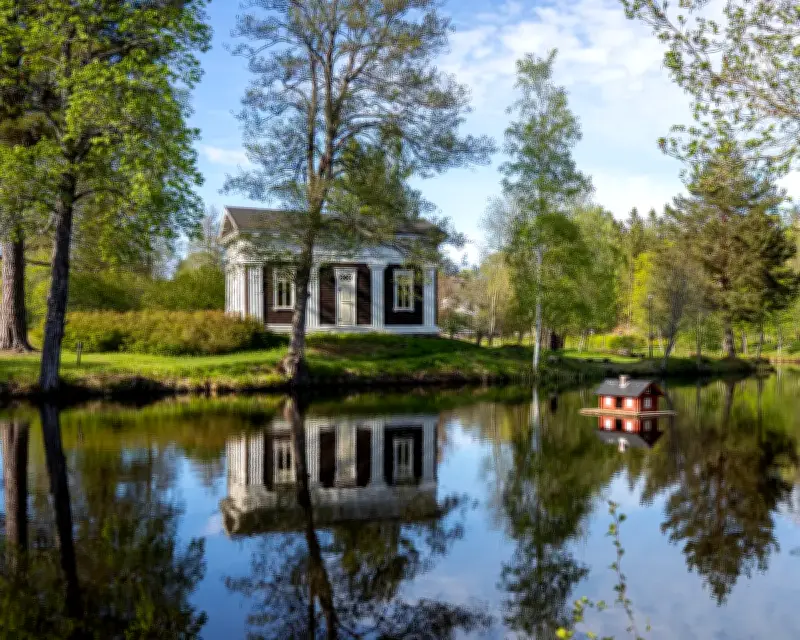
Högbo Brukshotell is set in the former Högbo ironworks, a quiet pocket of forest, waterways, and historic buildings north of Sandviken. The area's industrial past is still visible in old manor houses, smithies, and mill buildings, but since the factories fell silent in the mid-19th century, the woods have reclaimed their place. Walking, cycling, and cross-country ski trails now lead into the forest, while the old bruk buildings house cafes, workshops, and small businesses.

Made in Högbo: Growing Ingredients and Opportunities
Ingredients that once arrived from far away are now grown on site. The Made in Högbo project began with lamb, bringing animal rearing and butchery in-house, followed by vegetable production. Greenhouses now sit alongside kitchen gardens, producing for the restaurant and creating opportunities for people who might otherwise struggle to find work. Refugees from Myanmar helped establish early growing projects, and new arrivals from the Democratic Republic of the Congo have joined, splitting their time between Swedish language classes and work placements. Their influence is visible in rows of papaya, bananas, and other plants rarely associated with Sweden. Plans include an aquaponics system combining greenhouse cultivation with tilapia fish farming. Farm buildings now house a bakery making sourdough and cakes, a microbrewery run by one of the chefs, a dairy making fresh cheeses, and a deli.
Högbo isn't alone in questioning food provenance. Over several days travelling through Gästrikland and neighbouring Hälsingland, a network of millers, fishers, distillers, cheese makers, and chefs emerges, all connected by the idea that food should reflect its place of origin. At Gammelstilla, an old ironworks has become a small whisky distillery. In Gästrike-Hammarby, The Old Mill is an award-winning restaurant run by Bogdan Ioan Gheorghe and Ellinor Andersson, featuring a tasting menu with local producers and surprising ingredients like the invasive Japanese knotweed.
Seventh-Generation Traditions Evolve
At Bergmans Fisk in Norrsundet, low islands scatter across the bay and the Baltic stretches east towards Finland beyond wooden smokehouses. The business is run by a seventh-generation fishing family whose connection to these waters spans over a century. Inside the smokehouses, salmon hangs in neat rows, a slow process refined over generations. Dennis Bergman explains that for traditions and the business to survive, they must evolve and diversify. In 2020, the family opened a waterfront restaurant overlooking the bay where much of their fish is caught. A smorgasbord of smoked salmon and böckling (hot smoked herring) is served on dark rye crispbreads. The family also operates a travelling fish van serving coastal communities and is planning a small hotel—new ventures securing the future of old skills.

Driving north through deep pine forests and lush fields of Hälsingland, hand-painted signs for potatoes, eggs, and strawberries appear frequently. Outside red-painted farm buildings, honesty boxes sit beside stacks of produce. At Teve Kvarn, a mill south of Järvsö, Anna Larsson, a seventh-generation miller, sources grain from roughly a 150km (93-mile) radius. She sells seed to farmers and buys back the grain to ensure high-quality flour production. Only a handful of such mills remain in Sweden. Her newest machine was installed in 1930. Beside the traditional wooden mill, shiny stills are visible in a tall glass building—the Tevsjö distillery run by Anna's husband, Jonas, producing vodka, gin, and aquavit using grain from the mill. The distillery runs on hydroelectric power from a nearby stream and has increased production capacity more than 10 times due to popularity, creating 10 new local jobs.
Grow Through Limitations
At Järvsö Lanthandel, chef Tobias Annerhult runs a general store and restaurant where local sourcing is his entire food philosophy. "I only buy salt, pepper, sugar and oil," he says. "I don't use stabilisers. Nothing gets thrown away; that feeds the creative process. Our philosophy is to grow through limitations." In a climate where vegetables arrive in abundance for only part of the year, preserving is essential. Annerhult pickles, cures, and ferments local produce, including meat for charcuterie. A cooking class for private group bookings involves produce collected across the region: flour from a centuries-old mill, cheese and potatoes from honesty boxes, fish from a family that has worked the same waters for generations, and vegetables from local greenhouses. Together, participants make fermented pea pancakes with sweet preserved apple and salty local goat's cheese, fresh pasta with Anna's wheat and eggs from Tobias's chickens, served with burrata-style cheese, brown butter, and garden herbs, and warm cake with the first rhubarb of the season.
This meal tastes better for knowing the stories and people behind it. Combining preserved and fermented ingredients with the season's freshest produce harks back to traditional approaches to cooking and eating. Today's chefs are reclaiming that philosophy, and the results are delicious. It perhaps helps answer the question that changed Stefan's career all those years ago: why cook this food, in this place? Because when food truly belongs somewhere, it becomes a way of understanding that place too. The trip was provided by Visit Sweden; for more information, visit gastrikland.se and destinationhalsingland.se. Högbo Brukshotell has doubles from 1,995 Swedish kronor (£155) B&B.