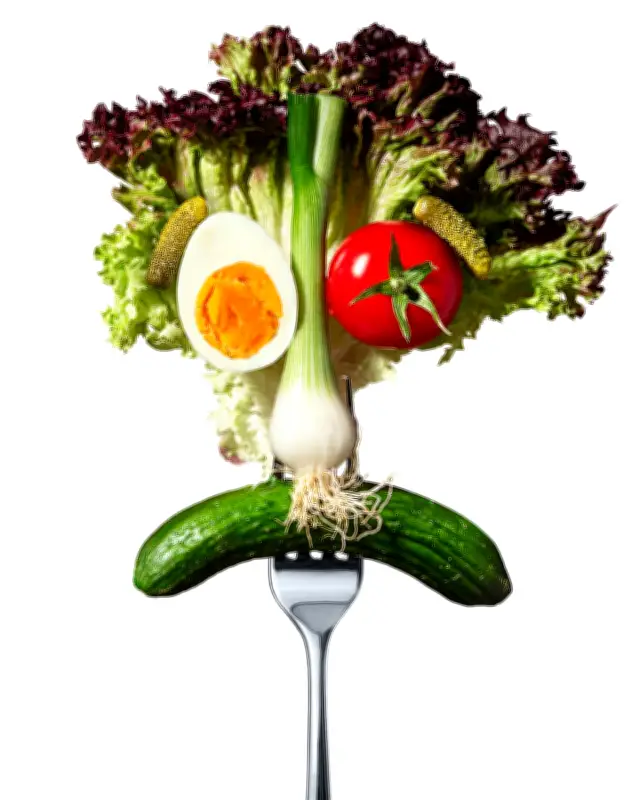
Ruby Tandoh, the food writer and author of 'All Consuming', has embarked on a journey to embrace salads, not as a health kick or a bid for self-improvement, but as a genuine reflection of her culinary identity. In a recent essay, she describes how summer often triggers a desire to rebrand as a 'salad person', driven by FOMO rather than wellness aspirations.
The Summer Salad Dilemma
Tandoh admits she is not naturally inclined to be a salad person. Her cooking instincts lead her toward stews, braises, and soups—dishes that meld and mutate over heat. She notes that her family background did not foster a salad culture; they occasionally served iceberg lettuce but rarely dressed it. When her parents did attempt salads, the results were unconventional, such as a Nigel Slater suggestion involving beansprouts, red pepper, and ripe banana with sesame oil, or a Ghanaian salad featuring lettuce, tomato, cucumber, hard-boiled egg, tinned sardines, and baked beans.
A Transformative Salad Experience
Tandoh's first truly great salad came at university, made by her Swiss friend Tessa. Using an Ottolenghi cookbook, Tessa created a salad with baby spinach, toasted pitta pieces, chopped medjool dates, and sumac. Tandoh recalls this salad with genuine fondness, though she rarely replicated it until recently, when she found it as satisfying as she had hoped.

Rejecting Wellness Trends
In her quest for salad inspiration, Tandoh initially turned to Instagram but was put off by commentary that mentioned pimples, lymphatic drainage, or gut health. She finds it normalized to discuss such topics in recipe videos and prefers to return to traditional cookbooks for inspiration. She emphasizes that a salad, like a sentence, is a composition of artfully chosen nouns, citing John Evelyn's centuries-old recipe with parsley, sage, garlic, chives, onions, leek, borage, mint, and more.
Literary Inspirations and Personal Acceptance
Tandoh draws inspiration from food writers like John Birdsall, who describes salads with 'drifts of leaves and flowers, sprigs of herbs and tiny carrots that looked like they had been blown there by some mighty force of nature.' She also references Laurie Colwin's 'Home Cooking', where chicken salad is compared to a little black dress—chic and adaptable. Tandoh made a Nigel Slater salad with watercress, leftover roast chicken, orange, and soy-toasted pumpkin seeds and almonds, enjoying it while pondering additions like toasted pitta chips.
Ultimately, Tandoh concludes that one cannot suddenly become a 'troughful of veggies' person any more than one can pivot to Y2K low-rise jeans. She is trying to salad not for the person she wants to be, but for the person she is, and finds it suits her well.