London Chefs Demonstrate Ramadan Discipline in the Restaurant Industry
Ramadan represents a sacred month of fasting, reflection, and spiritual closeness for Muslims worldwide. Contrary to common misconceptions, fasting does not entail complete avoidance of food, even for those immersed in culinary environments daily. For restaurant professionals, this period involves preparing and serving meals while abstaining from consumption, a practice some might view as challenging.
Culinary Professionals Embrace Fasting as Spiritual Practice
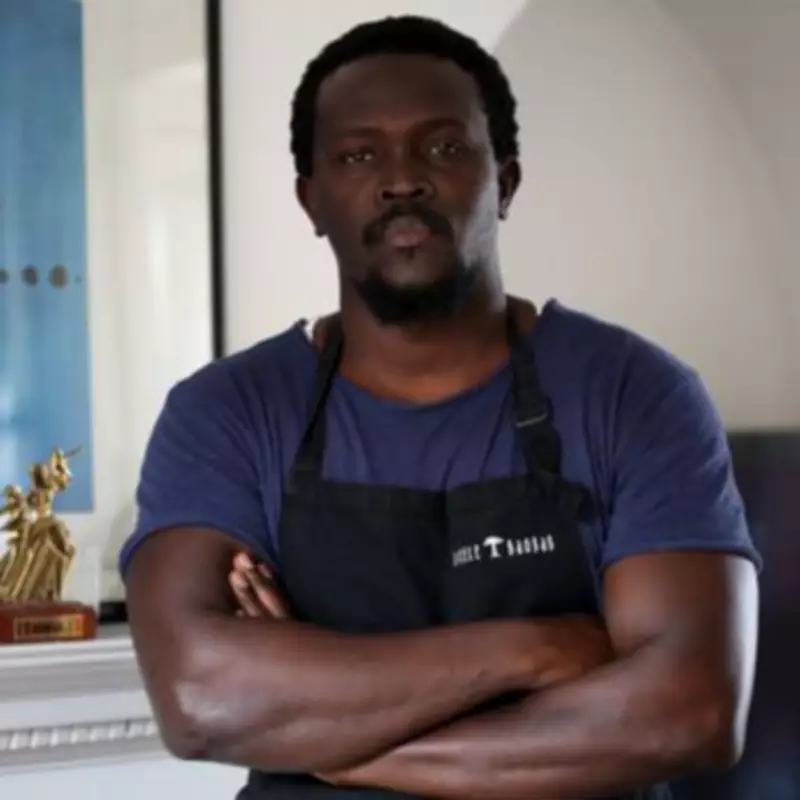
Khadim Mane, founder and Head Chef at Little Baobab near Southwark, and Ali Alsahlane, founder of Shawarma Hut in Elephant and Castle, recently shared their experiences with fasting during Ramadan while managing restaurant operations. Both chefs have cultivated remarkable discipline, viewing their work as an extension of Islamic principles rather than a hardship.
Khadim Mane, originally from Senegal, entered London's restaurant scene in 2010 and launched his own business in 2014. He identified a gap in authentic Senegalese cuisine in the city, driven by nostalgia for his hometown flavors. Initially, refraining from tasting his creations proved difficult, but Khadim now describes the process as "muscle memory" when executing recipes.

Reflecting on his early days, Khadim noted: "The discipline definitely takes time because when I started working in different restaurants and when it was time to break my fast, I would just have a date and water and keep going. It was a lot of pressure, my English wasn’t good, but it was really good training for me."
Spiritual Strength Amid Physical Challenges
Ali Alsahlane echoed the physical demands of fasting but emphasized its spiritual rewards. He stated: "Spiritually, it gives us strength. After many years in hospitality, I am used to working long hours, and Ramadan adds a deeper meaning to that effort." Ali opened his Lebanese restaurant in South London in 2020, aiming to provide authentic, affordable dining options.
His establishment is recognized as London's most economical sit-in restaurant, offering a Lunch Shawarma Meal Deal for £4.99. Ali's mission centers on community building, particularly for individuals with limited incomes. He observed: "People come in saying they haven’t been to a restaurant for years. A lot of big families come in and are on Universal Credit. We have a meal for £3.99 per person for those people."
Ali elaborated on his philanthropic approach: "We are just trying to help people, like our Prophet did and have an impact on the community. It is a gift from God to be put in this position to help people, I always pray to have a much bigger impact."
Personal Journeys and Community Impact
Khadim related to these community-focused efforts, sharing: "Life is tough, you see people struggling. They need food, they have one meal a day or sometimes not even that. I’ve been there, that’s why I can be in a position where I can explain and understand how important it is."
Ali's path to Islam involved significant personal trials. As a convert from a Christian family, he faced initial rejection, leading to periods of homelessness. He recounted: "I was put in a position where I left home and was outside on the street for a while. As Muslims everyday we wake up, we have a test to pass, mine was to change my religion and see if I was going to give up, but I was not going to ever do that." Today, he maintains positive family relations and frequently visits them.
Integrating Faith and Work Ethic
For Khadim, fasting enhances spiritual proximity. He implements flexible prayer policies in his restaurant, allowing staff to pray during work hours. He explained: "In the restaurant, when it is prayer time I am not stopping anyone to do their prayer, they go pray and then come back to work, that’s the way I function in my restaurant."
Ali highlighted Ramadan's teachings: "Ramadan teaches self-control, patience and sincerity. Serving food while fasting increases gratitude and empathy for people who struggle with hunger everyday."

Khadim merges his culinary work with Islamic values, stating: "Islam is a peaceful religion. I have people who are not Muslim working in my restaurant and I try to show them the principles of sharing together, working as a family, respect, no lying, cheating, you have to be honest. I want my food to show who I am and my character."
In conclusion, Khadim reflected: "Ramadan puts us in a position to feel like those who are hungry, and remind you to be close to God." Both chefs exemplify how Ramadan fasting fosters discipline, empathy, and community engagement within London's vibrant restaurant industry.