As the new year unfolds, Australian shoppers are presented with a vibrant and cost-effective array of seasonal fruit and vegetables. January marks a peak period for stonefruit, while exotic treats like lychees offer luxurious flavour at a premium. Meanwhile, savvy buyers can still capitalise on the tail end of the cherry season and find outstanding value in fresh corn and beans.
Stonefruit Stars and Exotic Treats
According to Graham Gee, senior buyer at Melbourne's Happy Apple, apricots are currently at their peak. Victorian varieties are excellent now, with Tasmanian ones expected towards the month's end. Priced between $5 and $8 a kilo, Gee recommends the moorpark apricot for its rich flavour, despite its humble appearance.
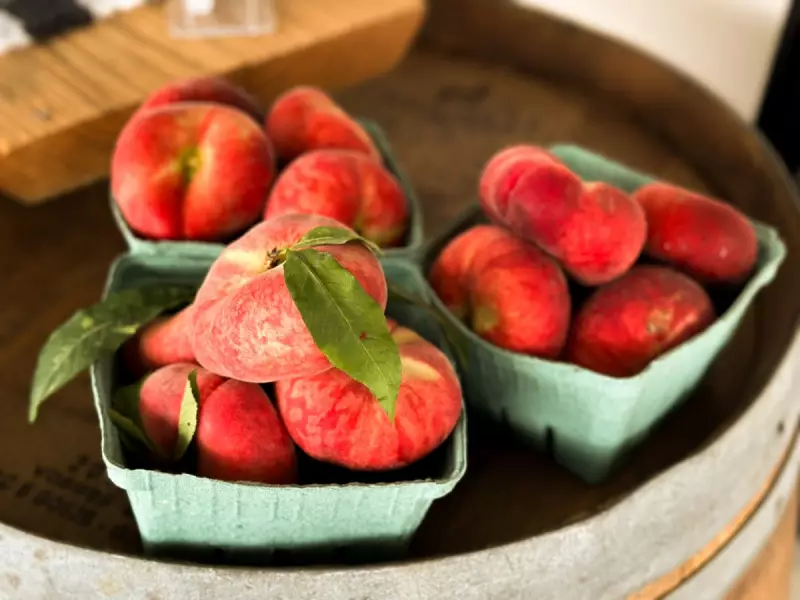
Michael Simonetta, owner of La Frutteria in Sydney's east, confirms that all stonefruit represents good value. Supermarkets are offering nectarines around $5 a kilo and both yellow and white peaches for approximately $4 a kilo. The distinctive flat peach is also gaining popularity. "They're sweet and tasty, and hitting the mainstream," says Gee, though they command a higher price of around $10 a kilo. Their relative, the flat nectarine, is newer to the market, costing about $1 each but can be harder to find.

For those seeking something more exotic, lychees are in prime condition. Supermarkets are selling them for $18 to $20 a kilo. Gee advises looking for the Erdon Lee variety, sometimes called 'dragon's egg' for its large size, ample flesh, and excellent flavour.
Extended Seasons and Vegetable Value
The cherry season has been extended, with Gee estimating another six to eight weeks of quality fruit. Good Victorian varieties like Regina and Sylvia are still available, while Simonetta praises the beautiful quality of Tasmanian cherries, which he sells from $20 to $50 per kilo depending on size and quality.
Grapes are another highlight, with new varieties impressing buyers. Gee mentions sweet globe, ruby rush, crispy dream, and sweet sapphire as excellent choices, with their season running into autumn. Prices range from around $5 a punnet for sweet sapphires to $8.50 for varieties like candy snap in supermarkets.
On the vegetable front, outstanding value can be found. Sweetcorn from South Australia and Victoria is becoming abundant. Gee sells his for about $1 each (compared to $1.70-$2 in supermarkets) and recommends looking for plump kernels under the husk. Green beans, sugar snaps, and snow peas are also in fine form. Gee suggests opting for hand-picked beans over machine-picked if possible; though pricier at $8-$10 a kilo, they suffer less bruising. Supermarkets sell them for $6.50-$7.50 a kilo.
Simonetta notes that tomatoes of all kinds are a very good buy currently, with plentiful supply seeing them priced from $4 to $6 a kilo at his store. Baby cos and iceberg lettuce also offer value, costing between $2 and $4 a head.
What to Watch and What to Avoid
Some items are in shorter supply or have seen price increases. Mangoes remain high quality but are more expensive than before Christmas as the Northern Territory season ends and the Queensland season nears its conclusion, retailing for $3 to $5 each.
Brussels sprouts, capsicums, and lemons are currently in short supply, though Gee expects lemon prices to drop as the Queensland season hits shelves. In the meantime, limes are abundant and a good alternative for acidity. Bananas also have limited supply at present.
To make the most of January's bounty, focus on buying apricots, Australian grapes, cherries, green beans, tomatoes, and watermelon. Keep an eye out for falling prices on sugar snaps and an increasing supply of lemons in the coming weeks.