Italy's Proposed Ban on Horse Meat Consumption
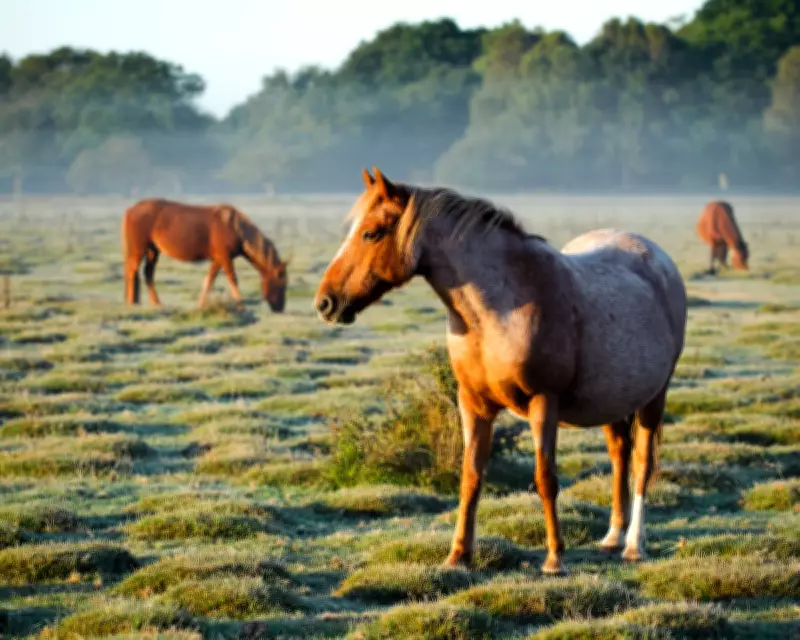
A groundbreaking legislative proposal in Italy aims to outlaw the consumption of horse meat by redefining equine animals—including horses, donkeys, and mules—as pets, thereby criminalizing their slaughter. The draft bill, which has garnered support from opposition parties, could mark a significant shift in Italy's culinary and cultural landscape.
Severe Penalties for Equine Slaughter
If enacted, the law would impose harsh penalties for the slaughter of equines, including prison sentences of up to three years and fines reaching €100,000 (approximately £87,000). This move is part of a broader effort to enhance animal welfare standards in the country.
Cultural Traditions at Stake
Horse meat has long been a staple in Italian cuisine, particularly in regions such as Puglia, Campania, Sicily, Lombardy, Veneto, and Emilia-Romagna. Despite a notable decline in consumption over the past decade, Italy remains one of Europe's largest importers and consumers of horse meat. The proposed ban has sparked intense debate, with critics arguing it threatens to erase a piece of Italy's culinary heritage, recently recognized by UNESCO as intangible cultural heritage.

Political Backing and Opposition
The bill was drafted by Michela Vittoria Brambilla, a politician from Noi Moderati, a member of Prime Minister Giorgia Meloni's ruling coalition. Brambilla, who also heads the animal rights association Leidaa, champions the proposal as a necessary step toward ending the exploitation of equines. She stated, "We're in the 21st century and yet equines continue to be exploited in a wide variety of ways. Horses in particular... while in the Anglo-Saxon world, eating horse meat is almost inconceivable, in our country the species is literally exploited to the bone. But friends are not to be eaten."
However, the bill faces resistance from within the ruling coalition. Gian Marco Centinaio, a former agriculture minister and member of the far-right League, warned that a ban would undermine regional identities and traditional dishes, from horse meat stews in Verona and Salento to meatballs in Catania. Similarly, Dario Damiani of Forza Italia expressed concerns about the economic impact on local businesses and jobs tied to the horse meat industry.
Additional Provisions and Public Sentiment
Beyond the ban, the bill proposes mandatory microchipping for equines and the establishment of a national monitoring system. A €6 million fund is also included to assist breeders in transitioning their operations. Public opinion appears to lean toward the ban, with a recent survey indicating that 83% of Italians do not consume horse meat, while only 17% eat it at least monthly. This shift reflects growing ethical concerns and empathy toward animals.
Brambilla emphasized that the proposal represents "an extraordinary opportunity to bring about a cultural shift that is already dear to the hearts of the majority of Italians." As the debate unfolds, the bill highlights the tension between preserving culinary traditions and advancing animal rights in modern Italy.