Daycap: The Rise of Afternoon Drinking Over Late-Night Sessions
A new social phenomenon, dubbed "Daycap," is sweeping across cities, challenging the traditional late-night drinking culture. This trend involves people choosing to enjoy alcoholic beverages in the afternoon rather than extending their evenings into the early hours. As lifestyles evolve and priorities shift, Daycap is reshaping how individuals socialize and unwind, offering a fresh alternative to the conventional night out.
What Is Daycap and Why Is It Gaining Popularity?
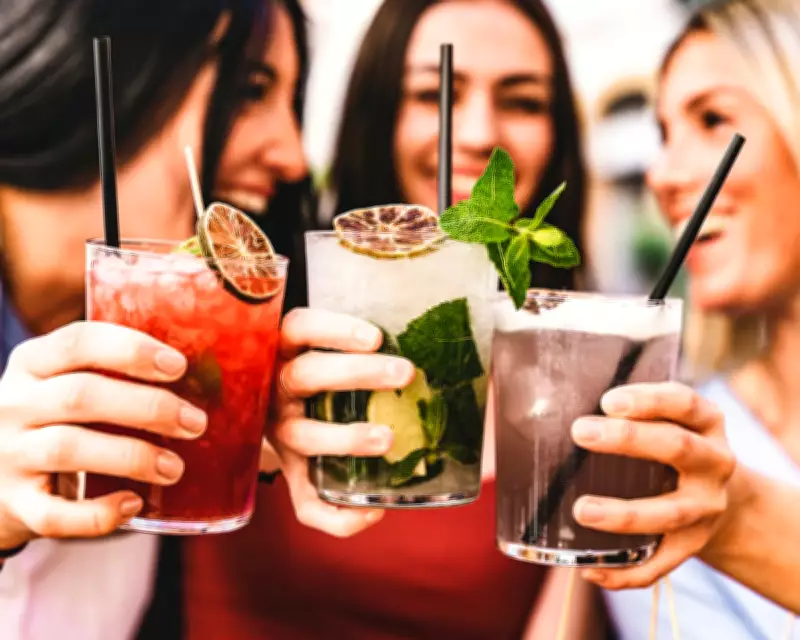
Daycap refers to the practice of having a drink, such as a cocktail or glass of wine, during the afternoon, typically between 3 PM and 6 PM. This trend is gaining traction due to several factors, including changing work patterns, a growing emphasis on work-life balance, and health-conscious decisions. Many people find that afternoon drinks allow them to relax without the negative effects of late-night alcohol consumption, such as disrupted sleep or hangovers.
In urban areas, cafes and bars are adapting to this shift by offering special Daycap menus and promotions. For instance, some establishments now serve "sunset cocktails" or "afternoon tea with a twist," catering to those who prefer daytime socializing. This not only boosts business during typically quieter hours but also reflects a broader cultural move towards more mindful drinking habits.

Impact on the Hospitality Industry and Social Norms
The rise of Daycap is having a significant impact on the hospitality sector. Restaurants and bars are rethinking their operating hours and marketing strategies to attract afternoon patrons. This trend is particularly evident in cities with vibrant food and drink scenes, where venues are experimenting with extended happy hours or themed events to capitalize on the growing demand.
Socially, Daycap is altering long-standing norms around alcohol consumption. Traditionally, drinking has been associated with evening activities, but Daycap promotes a more balanced approach. It encourages people to enjoy alcohol in moderation and at times that fit better with modern schedules, such as after work meetings or weekend brunches. This shift is also seen as a response to increasing awareness of mental and physical well-being, with many opting for daytime drinks to avoid the pitfalls of late-night excess.
Moreover, Daycap is fostering new forms of social interaction. Instead of crowded nightclubs, people are gathering in sunlit terraces or cozy pubs during the day, creating a more relaxed and inclusive atmosphere. This trend is particularly appealing to older demographics and professionals who seek quality time without the hustle of nighttime venues.
Future Prospects and Cultural Implications
Looking ahead, Daycap is poised to become a lasting trend, influencing not just drinking habits but also urban planning and business models. Cities might see more daytime-focused entertainment options, while the hospitality industry could continue to innovate with non-alcoholic alternatives and hybrid spaces that cater to diverse preferences.
Culturally, Daycap reflects a broader movement towards sustainability and health-conscious living. By reducing late-night drinking, it may contribute to lower alcohol-related incidents and promote safer social environments. As this trend evolves, it will be interesting to observe how it integrates with other lifestyle changes, such as the rise of remote work and digital socializing.
In conclusion, Daycap represents a significant shift in how people approach leisure and socialization. By embracing afternoon tipples over late-night sessions, individuals are redefining the role of alcohol in their lives, leading to positive impacts on both personal well-being and the economy. As more people adopt this trend, it could herald a new era of daytime-centric social culture.