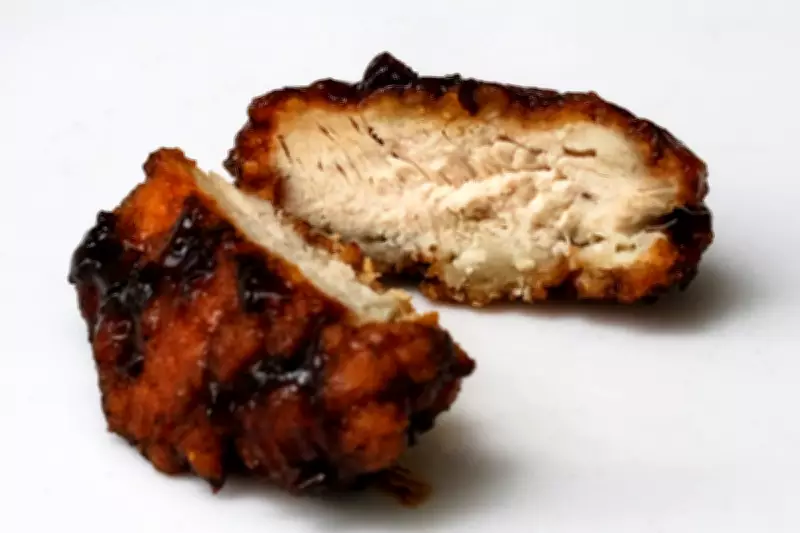
Court Decision on Buffalo Wild Wings' Boneless Wings Sparks Debate
A recent court ruling in the United States has determined that Buffalo Wild Wings' popular menu item, 'boneless wings,' does not qualify as actual wings. The decision, which has garnered significant attention in the food industry, clarifies that these items are made from chicken breast rather than traditional wing meat.
Legal Implications for Food Labeling
The case centered on whether the term 'boneless wings' accurately describes the product. The court found that since the item lacks bones and is sourced from a different part of the chicken, it should not be marketed as wings. This ruling could set a precedent for how food companies label their products, emphasizing the need for transparency to avoid misleading consumers.
Legal experts suggest that this decision may lead to stricter regulations on food descriptions, particularly in the fast-casual dining sector. Companies might need to review their menus to ensure compliance with truth-in-advertising laws, potentially affecting marketing strategies and consumer trust.

Consumer Reactions and Industry Impact
Many customers have expressed surprise at the ruling, with some noting that they assumed 'boneless wings' were simply deboned versions of traditional wings. The distinction between chicken breast and wing meat could influence purchasing decisions, as consumers become more aware of what they are eating.
In response, Buffalo Wild Wings may need to consider rebranding or relabeling the product to align with the court's findings. This could involve changing the name to something like 'boneless chicken bites' or providing clearer descriptions on menus. The ruling also highlights broader trends in the food industry toward greater accuracy in labeling, driven by increasing consumer demand for honesty and quality.
Overall, this case underscores the importance of precise terminology in food marketing and its potential effects on both businesses and diners. As the industry evolves, such legal decisions may shape how products are presented and perceived in the marketplace.