Unlocking the World of Sake: A Comprehensive Starter Guide
Have you felt the alluring pull of sake recently? This traditional Japanese beverage is currently enjoying a remarkable surge in popularity across the UK, becoming the drink of choice for many discerning enthusiasts. While you might encounter it served chilled, gently warmed, or even hot, navigating the complexities of sake can initially seem daunting compared to more familiar options like wine. Fear not—this detailed beginner's guide is designed to transform you into a knowledgeable sake aficionado swiftly and confidently.
Understanding Sake Fundamentals
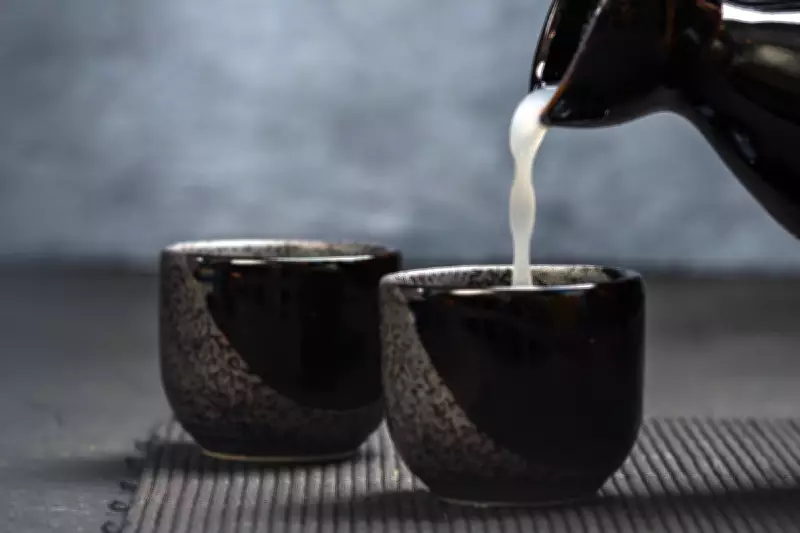
First, let's clarify what sake truly is. Contrary to some misconceptions, it is not a fiery shot but rather a moderately alcoholic drink crafted through the fermentation of rice with water, yeast, and koji—a distinctive Japanese fungus. Typically, it is presented in small cups intended for thoughtful sipping, encouraging a slow appreciation of its nuanced flavours.
When exploring sake labels, you will often encounter the term "Junmai". This designation indicates a "pure" sake, meaning no additional alcohol has been introduced during production. Junmai varieties generally exhibit a less perfumed character, offering a fuller body and richer texture. In contrast, sakes without the Junmai label have had a small quantity of alcohol added, resulting in a more aromatic profile and a lighter, more delicate body.

Decoding Rice Polishing and Sake Categories
Another critical factor is the rice polishing ratio, which refers to the percentage of rice grain remaining after milling before fermentation. The displayed percentage represents the amount of rice left intact. A higher percentage suggests more rice remains, leading to earthier, umami-rich flavours. Conversely, a lower percentage yields a sake that is fruitier, more floral, and intensely perfumed.
This polishing process defines several key sake categories:
- Daiginjo or Junmai Daiginjo: These are light, fruity, and aromatic sakes, with 50% or less of the rice grain remaining. The Junmai prefix denotes no added alcohol.
- Ginjo or Junmai Ginjo: Representing medium-style sakes, these have 60% or less rice left, balancing complexity and approachability.
- Honjozo or Junmai: The earthiest options, often described as cereal-esque, retain the most rice, providing robust, savoury notes.
Exploring Sake Diversity and Food Pairings
Sake's versatility is truly impressive, extending beyond traditional styles. For instance, awa-zake (sparkling sake) serves as a delightful aperitif or accompaniment to soft cheeses, while nigori-zake (cloudy sake) offers a creamy, slightly hazy texture that pairs wonderfully with desserts, as demonstrated at Michelin-starred Trivet restaurant. Trivet is participating in the 'Sake Food Sensations' campaign this month, emphasising sake's compatibility with diverse cuisines.
Unlike wine, which refreshes the palate between bites, sake is often said to "hug the food." To fully appreciate this synergy, try sipping sake while food is in your mouth, allowing the flavours to meld harmoniously. This technique is particularly effective for mellowing saltiness in dishes like fish and seaweed, and it complements umami-rich ingredients such as mushrooms, asparagus, and cheese beautifully.
Where to Experience Sake in London
Begin your sake journey at ROKA Charlotte Street, where you can sample Kikunotsukasa's TOU—a delicately beautiful sake crafted exclusively for ROKA. Paired with exquisite slivers of yellowtail in yuzu sauce, this combination is sure to captivate even the most sceptical palate. Global head of wine Laura Blanchett has curated an enthusiastic and informative sake menu here, championing new offerings like the "Ozé x Rosé" for spring—a slightly sweeter, fruitier "gateway" sake ideal for spicy dishes or leisurely sunshine sipping.

For a sky-high culinary adventure, visit Luna Omakase at 100 Liverpool Street. This venue blends culinary flamboyance with historic storytelling, presenting exciting dishes that charm both the eye and the palate. Perched above the City, you can opt for a wine, sake, or non-alcoholic flight to accompany your multi-course dinner. While the non-alcoholic options are impressively thoughtful, the sake flight comes highly recommended. Highlights from the kitchen include nigiri seared with charcoal and wagyu slivers cooked on a Himalayan salt block, all enjoyed in the convivial company of chefs within an intimate 12-seat setting.
Practising Your Sake Skills at Home
To hone your newfound knowledge, consider tasting sake at home. The super premium Toku Junmai Daiginjo (£155, available at Hedonism) offers a creamy, smooth experience with citrus freshness and ripe melon notes underpinned by delicate umami. Chill it until the blue mountains appear on the temperature-sensitive label, then pair it with prosciutto and melon or embrace a high-low contrast with fried chicken. Alternatively, the more accessible Dreamsake Daiginjo (£30, from Ocado) provides a crisp, refreshing taste with layered aromatics, perfect alongside sushi, light soft cheeses like ricotta, or seafood pasta. Kanpai!