From Açai Bowls to Thongs: The Curious World of Wuthering Heights Merchandise
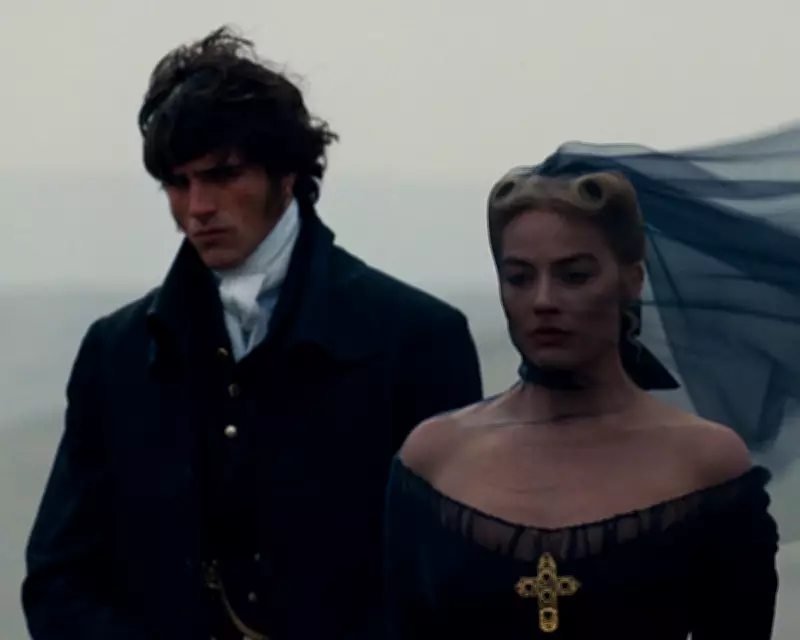
Emerald Fennell's lust-fuelled adaptation of Emily Brontë's classic novel Wuthering Heights has triggered a veritable flood of official merchandise that ranges from the peculiar to the provocative. While the appetite for this bodice-ripping cinematic interpretation remains undeniable, the commercial strategy extends far beyond the silver screen into food aisles, lingerie collections, and lifestyle products, prompting a critical examination of what exactly audiences are being encouraged to buy into.
Themed Snacks and Culinary Yearning
Across the United States, film enthusiasts can now purchase official Wuthering Heights açai bowls, with two distinct varieties crafted to embody the story's central characters. Marketed with the evocative slogan "This is what happens when you turn yearning into flavour," these bowls attempt to translate literary passion into edible form.
The "Kiss Me" bowl, representing Cathy, is described as "soft, indulgent, and impossible to forget," with strawberries symbolising her wild sweetness, chia pudding her composed side, and honey her sweet longing. Conversely, the "Haunt Me" bowl channels Heathcliff's intensity, being "dark, intense" and similarly unforgettable, featuring cacao nibs for his bitter soul, goji berries for his broken heart, chocolate hazelnut for his intense passion, and blueberries for his cold restraint.

Consumer reception has been decidedly mixed. One Instagram review candidly questioned, "all me and my friend could think was wtf there's no way someone actually tasted that and approved it." Nevertheless, the mere existence of such niche products underscores a new era of inventive, if somewhat bewildering, film merchandise collaborations.
Luxury Goods and Sensual Lifestyle Products
The merchandising push extends well beyond consumables. An array of high-profile brand partnerships has been established, including luxury leather goods from Aspinal of London, fragrances from TokyoMilk perfumers, specialty teas with Bloomingdales, and gourmet cookies from Last Crumb.
Perhaps most notably, the campaign features not one, but two separate lingerie collections. Hanky Panky has released a set of thongs, while Lounge offers an entire line inspired by the film's aesthetic. Complementing this theme, Slip provides a silk pillowcase and eye mask, and Maude—Dakota Johnson's premium sexual wellness brand—has launched a "Come Undone" massage candle and body oil. The latter's description poetically suggests, "Eucalyptus breathes cold across the moors, while cassis and musk linger like mist, amber and sandalwood burn low – memory comes undone."
The New Algorithm of Film Marketing
Such extensive merchandising is far from novel in contemporary cinema. Recent blockbusters like Barbie, Wicked, and A Minecraft Movie demonstrate that pre-existing brand awareness is increasingly crucial for greenlighting films, with ancillary spending on apparel, accessories, and lifestyle items becoming a fundamental component of the business model.
A film's viral potential is now a critical part of this new commercial algorithm. Just as musicians seek that perfect 20-second clip for TikTok virality, films strive for that elusive quality that transforms a simple narrative into an all-encompassing aesthetic event and lifestyle experience. To fully immerse oneself in this version of Wuthering Heights, as implied by marketing materials, one might need to embrace a saucier persona—potentially requiring specific lingerie or even a stay in an official Airbnb replica of Cathy's bedroom.
Performance and the Press Tour Narrative
This merchandising strategy aligns with a carefully orchestrated press tour that emphasises the apparent quasi-romantic codependency between stars Margot Robbie and Jacob Elordi, mirroring tactics used by other major releases like Wicked. While audiences are encouraged to emulate the film's theme of obsessional desire through themed consumables, the actors themselves perform a version of intense mutual attraction at every public opportunity.

This represents a distinct form of late-stage consumerist strategy. However, a significant problem arises when attempting to curate and sell an aesthetic of obsession through merchandise: unlike Brontë's original novel, these commercial efforts offer no substantive commentary on obsession itself. They merely depict its surface appearance and instruct consumers on how to participate. Alarmingly, the sales push seems to encourage audiences to aspire to and purchase obsession, rather than examine its destructive consequences as the novel so meticulously does.
Reductionism and Commercial Dilution
The inherent bleakness of Brontë's original vision makes many of these commercial collaborations feel particularly jarring—arguably in poorer taste than merchandise for lighter properties. Numerous brand partnerships appear to reduce the complex narrative to mere sexuality, potentially erasing its profound exploration of class, race, and generational trauma. This commercial simplification occurs alongside existing scrutiny of Fennell's adaptation, particularly regarding the whitewashed casting of Elordi as Heathcliff. Reconciling a novel of such thematic depth with branded hand creams and scented candles proves challenging.
The overtly erotic nature of many collaborations seems calculated to reposition the story as a dark romance tailored for the BookTok generation. Official Wuthering Heights TikTok content employs buzzwords like "yearning" and references popular romance tropes on the platform. The trailer's explicit sexuality, the "Come Undone" body oil designed for partner application, the silk eye mask, and the lingerie collections collectively foster a vaguely BDSM-inspired aesthetic. This represents a specific interpretation of the source material, allowing fans to engage with a sense of transgression through thoroughly capitalist, and thus normative, channels.
The BookTok Influence and Reader Commercialisation
This merchandising approach echoes a broader trend in "romantasy" marketing history, reminiscent of when Sarah J. Maas's A Court of Thorns and Roses gained popularity via BookTok. At that time, a subscription box service created a "book boyfriends" package complete with a novelty penis-shaped soap—initially a tongue-in-cheek joke about readers who rate books on a "spice" scale. However, this demographic has evolved into a potent consumer group with significant purchasing power, willing to spend extensively on books and related merchandise.
This is not to devalue these readers or dismiss the excitement of introducing a classic to a new audience. However, it raises pertinent questions about whether the commercial imperative has overshadowed the essence of artistic expression. A powerful piece of art should primarily affect its audience intellectually and emotionally, not primarily function as a catalyst for emptying one's wallet. The expansive Wuthering Heights merchandise line, while commercially savvy, invites reflection on where the boundary lies between creative adaptation and commodification of literary heritage.