Wuthering Heights Casting Controversy: Why Are Yorkshire Actors Overlooked?
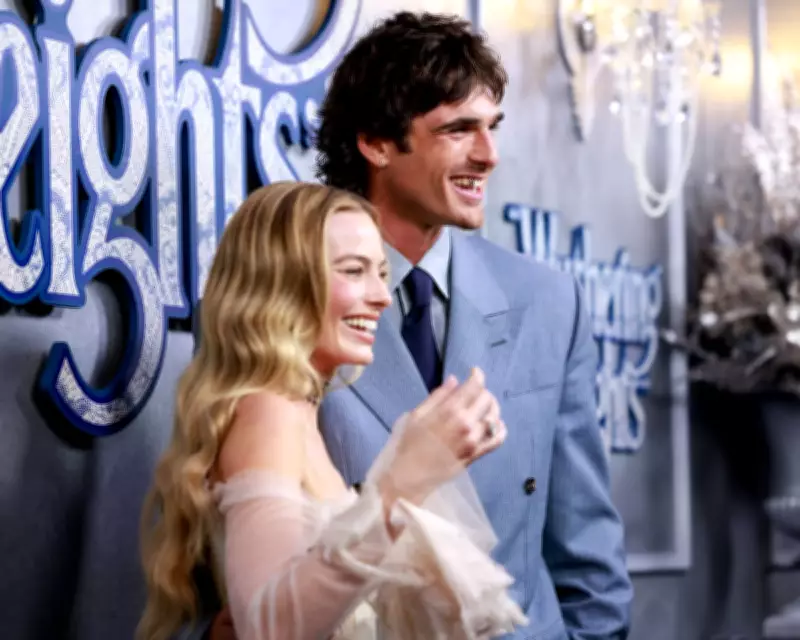
Emerald Fennell's casting decisions for her upcoming adaptation of Wuthering Heights have sparked intense debate and scrutiny. The film features Australian stars Margot Robbie and Jacob Elordi in the lead roles of Cathy Earnshaw and Heathcliff, raising concerns about whitewashing and age discrepancies, as Robbie is 35 playing a character 20 years younger. However, a deeper issue lies in the persistent exclusion of Yorkshire actors from these iconic parts, a pattern that undermines the novel's regional authenticity.
The Historical Neglect of Yorkshire Talent
Wuthering Heights, one of the world's most revered novels, is intrinsically linked to the rugged and capricious landscape of the Yorkshire moors. Yet, screen adaptations have consistently ignored the local identity of its central character. From Merle Oberon in the 1939 version to Kaya Scodelario in 2011, not a single Cathy has been portrayed by a Yorkshirewoman, let alone an actor from Bradford, the cultural heartland where Emily Brontë wrote the novel.
Fennell's latest film perpetuates this troubling trend, sidelining northern talent at a critical moment that could have elevated underrepresented voices. The sole Bradford-born actor in the cast, Jessica Knappett, is relegated to a supporting servant role as Mrs Burton. This decision reflects a broader industry bias that prioritizes star power over geographic authenticity, frustrating efforts to honor the environment that shaped Cathy's temperament.
The Impact of Structural Biases
Casting Wuthering Heights without regard for regional specificity is not a neutral creative choice. While Fennell has defended her selections as a personal fantasy, this approach dismisses the symbiotic relationship between Cathy and the Yorkshire moors. Amber Barry, a PhD researcher in Victorian literature at King's College London, emphasizes that the setting illuminates the story within the context of working-class demonstrations of the time. Reducing it to a vague backdrop questions the adaptation's fidelity to the source material.
As a Bradford-born actor, I have firsthand experience with the barriers in the arts. Casting choices like Fennell's preserve a system that undervalues northern women, often pigeonholing them into stereotypical or comedic roles rather than complex characters like Cathy. Research shows structural inequalities, such as nearly a third of Bafta-nominated actors being privately educated, which limits access for regional talent.
Socioeconomic Context and Representation
Bradford's socioeconomic challenges exacerbate this inequality. The district ranks as the 12th most deprived in England, with high rates of income deprivation, unemployment, and child poverty. Roles like Cathy Earnshaw, intrinsically tied to Yorkshire, could have provided a rare opportunity to reject the marginalisation of northern actors and offer career-defining moments for underrepresented backgrounds.
Hollywood's focus on star power over authenticity reflects wider industry biases, where women make up only about 30% of UK film cast roles, and northern women are disproportionately cast in limited, stereotypical parts. A Channel 4 report found that northern accents are twice as likely to be coded as working class and less likely to be used in aspirational advertising, reinforcing prejudices and undermining diversity.
A Call for Change
While acting is a transformational craft, the issue extends beyond performers inhabiting different lives. It raises a broader question: why should those from a region central to a novel's identity be denied life-changing opportunities? This is not about choosing between A-listers and regionally authentic actors but addressing why so few Bradford actors have reached the visibility to be considered for such roles.
When Cathy says, I'm sure I should be myself were I once among the heather on those hills, she articulates a truth that resonates deeply with many from Yorkshire. The landscape shapes identity, and continued underrepresentation feels profoundly ostracising. Wuthering Heights is not an isolated problem but represents another blow to those constrained by societal expectations, highlighting the need for more inclusive casting practices in the film industry.