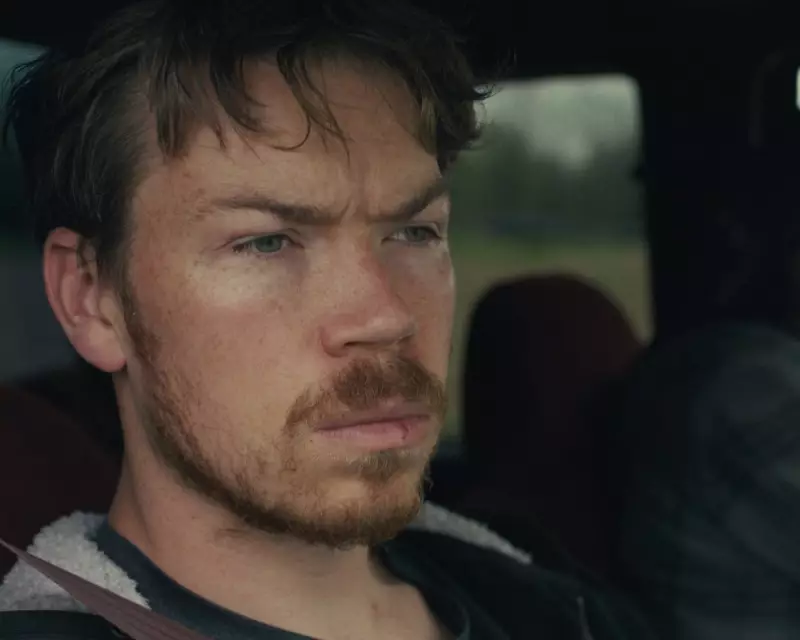
Will Poulter's Affecting Performance Anchors Union County's Addiction Drama
At the Sundance Film Festival, where cinematic narratives often dissect America's systemic failures, Union County emerges as an unusually uplifting exception. Director Adam Meeks' feature debut presents a rare positive story from the opioid epidemic, focusing on Ohio's innovative drug courts that rehabilitate addicts through structured support rather than punishment.
A Grounded Approach to Addiction Recovery
Meeks' commitment to authenticity distinguishes Union County from more melodramatic addiction narratives. The filmmaker employed non-actors currently in the drug court program alongside professional performers, creating a hybrid approach that blurs documentary and drama boundaries. The film opens with real participants presenting to a judge, establishing an immediate sense of verisimilitude before introducing British actor Will Poulter's character Cody.
This juxtaposition initially feels jarring but ultimately serves the film's purpose, reminding viewers they're watching a carefully constructed narrative rather than pure documentary. Poulter, known for his Marvel roles, disappears completely into his character, having embedded himself within the Ohio community before filming began to understand the recovery experience firsthand.

Poulter's Remarkably Subtle Performance
The film follows Cody's quiet journey through the drug court system with deliberate restraint. Much like many real recovery stories, the narrative unfolds slowly, focusing on quotidian adjustments like finding employment and maintaining routines rather than dramatic revelations. Poulter's character operates in a minor key, often approaching muteness, yet the actor conveys profound emotional depth through minimal expression.
Where Union County truly comes alive is in its interactions with real program participants, whose raw testimonies about emotional rediscovery provide the film's most powerful moments. One woman explains how sobriety has revealed emotional nuances beyond the extreme highs and lows of addiction, offering genuine insight into recovery's psychological dimensions.
Narrative Versus Documentary Tensions
The film raises interesting questions about storytelling approaches to real-world issues. At times, Union County's deliberate flatness and narrative restraint make one wonder whether a documentary might have served the subject better, particularly when the real participants' stories prove so compelling. The film occasionally feels too withholding, craving more substantive exploration of supporting characters like the addiction therapist or judge.
Yet Poulter's performance provides the strongest argument for the narrative approach. With minimal character development on paper, he humanises what could have been a stereotype, gradually building emotional heft through subtle expressions of determination, fear, frustration, and eventual pride in sobriety. His breakdown scene near the film's conclusion showcases astonishing natural emotion, suggesting Poulter deserves more substantial leading roles.
A Worthwhile Exploration of Rehabilitation
While Noah Centineo provides solid support as Cody's foster brother, the film belongs to Poulter and the real participants whose stories intersect with the narrative. Union County ultimately succeeds as both showcase for Poulter's talents and illumination of a rehabilitation system that actually works. The film's hybrid approach, while occasionally leaving viewers wanting more real-world exploration, represents a thoughtful alternative to both pure documentary and conventional drama.
As Union County seeks distribution following its Sundance premiere, it stands as a testament to grounded storytelling about addiction that prioritises authenticity over sensationalism. The film may not provide all the answers about documentary versus narrative approaches to real issues, but it offers a compelling middle ground worth experiencing.