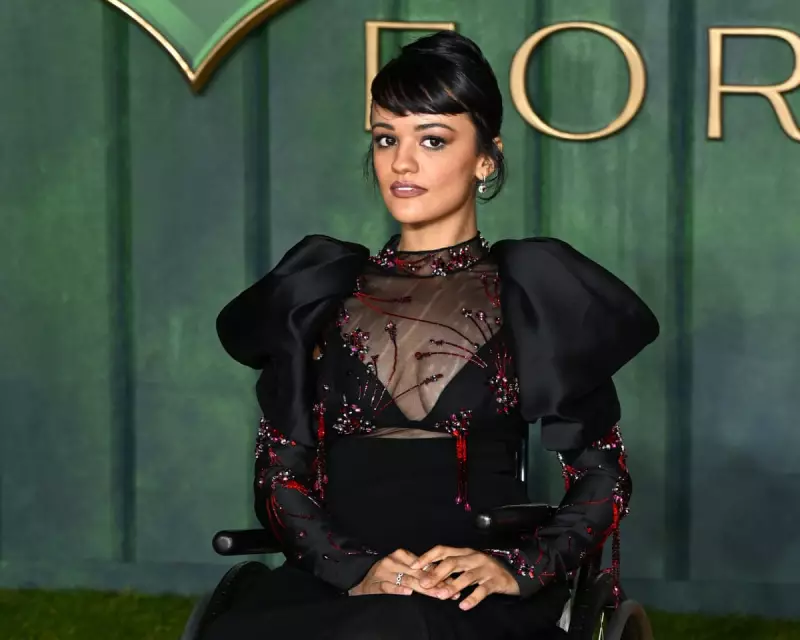
Breaking Barriers: A Landmark Casting in Wicked
Marissa Bode, the disabled actor portraying Nessarose Thropp in the blockbuster film musical Wicked and its upcoming sequel Wicked: For Good, is championing a seismic shift for disability representation in the entertainment industry. Her historic casting marks the first time a disabled performer has played this key role, a character who uses a wheelchair, since the stage show premiered in 2003.
Bode is using her platform to call for an end to the practice activists term 'cripping up'—where non-disabled actors are cast in disabled character roles. "I really hope my casting sets precedent," Bode stated, highlighting the need to navigate "a world and a system that we have just not been acknowledged in as we should be."
The On-Set Reality: Progress and Backlash
A recent study by the Rudderman Family Foundation underscores the scale of the problem, finding that a mere 21% of disabled characters on US television between 2016 and 2023 were portrayed by disabled actors. Bode's experience on the set of Wicked, however, offered a glimpse of a more inclusive future, thanks in part to the presence of a disability coordinator, Chantelle Nassari.

"That was one less thing I had to worry about and I could just go in and do the job," Bode said, reflecting on how Nassari's role in ensuring accessibility contrasted with earlier career barriers she faced.
Despite the positive on-set environment, Bode faced a wave of online abuse following the first film's release in November 2024. She addressed the hate directly on TikTok, distinguishing between criticising a fictional character and attacking disability itself. "Aggressive comments and jokes about Nessa’s disability itself is deeply uncomfortable because disability is not fictional," she asserted. Bode is mentally preparing for similar backlash with the sequel's release but hopes audiences will see her character's nuanced motives and desire for love and independence.
Meaningful Changes and a Call for Authentic Storytelling
Bode points to a significant alteration in the film as an indicator of progress. In the original stage musical, a scene where Nessarose is magically enabled to walk was widely criticised for promoting an ableist narrative. In Wicked: For Good, this was changed; Nessa's shoes now allow her to float, a sensation linked to a cherished memory. "I feel Nessa comes off maybe a little bit more one-dimensional in the stage version," Bode noted. "That [change] is something I really appreciate... I think it just adds so much more humanisation to Nessa."
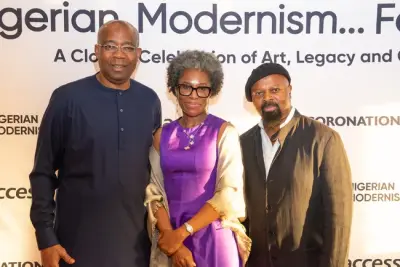
Earlier this month, Bode's advocacy and performance were recognised with the Christopher Reeve acting award at the 2025 Media Access awards. Looking forward, she urges the industry to seek out more education on disability and to empower disabled creatives. "I think it’s important that we are telling our own stories a lot of the time," Bode says, encouraging producers to hire disabled actors, writers, and crew. "There’s a great community out there."