From Misfits to Bullies: The Toxic Legacy of America's Next Top Model
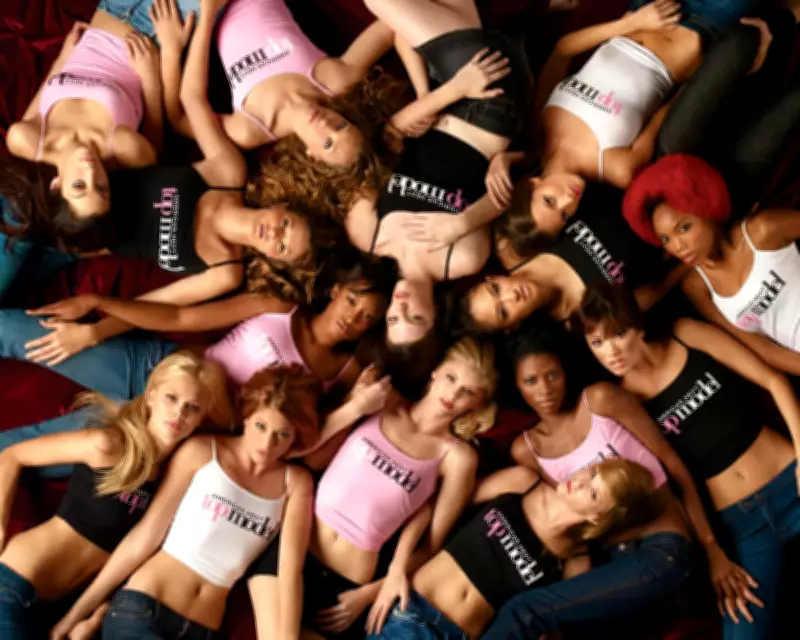
A shocking new Netflix docuseries, Reality Check: Inside America's Next Top Model, has ignited a fierce re-examination of the once-revolutionary reality show. Originally pitched as a disruptive force in the fashion industry, the series now stands accused of fostering a toxic environment that exploited young contestants for ratings.
The Viral Confrontation That Masked Deeper Issues
Even for casual viewers, one scene from America's Next Top Model has achieved iconic status. In 2005, host Tyra Banks unleashed a furious tirade at contestant Tiffany Richardson, screaming, "I was rooting for you, we were all rooting for you, how dare you!" While this moment has been endlessly memed and gifed, it obscures a much darker reality behind the cameras.
Jay Manuel, a former judge on the show, reveals in the docuseries that the actual confrontation was far more severe. "People have tried to make it something funny but it really wasn't," he states, hinting at unspoken lines that crossed ethical boundaries.

A Pandemic-Fueled Reckoning
The reassessment of America's Next Top Model gained momentum during the pandemic, as increased viewing time allowed a new generation to scrutinize the show with fresh eyes. Millennials who grew up with the series from 2003 to 2018 had long recognized its problematic elements, but social media platforms like YouTube and TikTok amplified critiques of body-shaming, racism, and judge Janice Dickinson's controversial comments.
This digital backlash forced Tyra Banks, the show's creator and host for 22 cycles, to respond. Initially defensive, Banks eventually agreed to participate in Netflix's three-part docuseries, offering the most comprehensive autopsy of the show to date.
Diversity Promised, Toxicity Delivered
Banks envisioned the show as a form of "payback" against an industry that had marginalized Black models like herself. She aimed to showcase diversity, featuring women of colour, queer and trans contestants, and plus-sized models. However, the docuseries argues that the show ultimately upheld the very standards it claimed to challenge.
"They started as misfits with very good intentions," says co-director Daniel Sivan. "They were starting as disruptors but as power grew, they became bullies." At its peak, the show was watched in 170 countries, but its success often came at the expense of vulnerable contestants, some as young as 18.
Exploitative Practices and Ethical Breaches
The docuseries catalogues a range of disturbing incidents, from microaggressions to outright danger. Contestant Dani Evans was pressured to close her tooth gap to remain on the show. Keenyah Hill faced edited storylines that mocked her weight, transitioning from comments about her boyish shape to demands she lose pounds.
More egregiously, Dionne Walters was forced to pose as a shooting victim after revealing her mother had been shot, a move she believes was intended to provoke a mental breakdown. The show also included a "race-swapping" week where contestants cosplayed as other races, a segment Banks now admits was deeply problematic.
Perhaps the most chilling revelation involves Shandi Sullivan, who alleges that a filmed "drunken indiscretion" was actually sexual assault, with cameras continuing to roll. "No one did anything to stop it," she tearfully recalls. Producers defended this by claiming they were making a "documentary," but co-director Mor Loushy condemns the action, stating, "Being a documentary film-maker is not a get out of jail free card."
Tyra Banks' Complicated Role and Admissions
Banks, while not solely responsible, served as the show's public face, oscillating between protective figure and betrayer. She acknowledges the era's corrosive culture, where body scrutiny and reality TV excess were normalized. "You guys were demanding it," she says of viewer appetite for drama.
In the docuseries, Banks shows increased self-awareness, admitting she "went too far" in her confrontation with Tiffany Richardson. "It was probably bigger than her," she reflects, linking it to broader societal pressures on Black women. Surprisingly, she hints at a potential return for cycle 25, though directors question how such a revival could avoid past pitfalls.

Lessons for Modern Media
The docuseries raises critical questions about whether today's media landscape, dominated by social media and idealized beauty standards, has truly improved. Sivan notes that even with democratized platforms like Instagram, narrow beauty ideals persist, influencing children as young as ten.
If America's Next Top Model does return, Sivan advises a focus on personality over appearance. The legacy of the show serves as a stark reminder of the fine line between entertainment and exploitation, urging creators to prioritize duty of care in reality television.