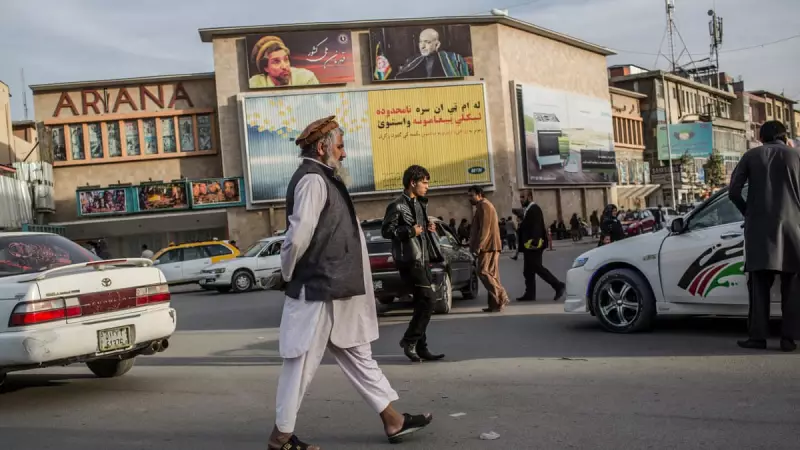
The Taliban regime in Afghanistan has razed one of Kabul's most iconic cultural landmarks, the historic Ariana Cinema, to the ground. The demolition, carried out in December 2025, marks the latest and one of the most significant acts of cultural erasure since the group's return to power.
A Cultural Icon Reduced to Rubble
For decades, the Ariana Cinema stood as a prominent fixture in the Afghan capital's cityscape and a cherished venue for public entertainment. Located in the bustling centre of Kabul, it was more than just a building; it was a symbol of a different era in Afghanistan's modern history, where cinema and public arts had a place in society.
Images from the scene show the structure completely levelled, with only piles of concrete debris and twisted metal remaining where the cinema once stood. The demolition appears to have been swift and thorough, leaving no trace of the architectural facade that was familiar to generations of Kabul residents.

The Context of Taliban Rule and Cultural Policy
The destruction of the Ariana Cinema is not an isolated incident but fits into a broader pattern of Taliban policy towards art forms they deem un-Islamic. During their previous rule in the late 1990s, the group infamously banned most forms of entertainment, including music, television, and cinema, and destroyed cultural artefacts like the Buddhas of Bamiyan.
Since regaining control in August 2021, the Taliban has reimposed severe restrictions on cultural expression. While some cinemas had already been closed or repurposed, the physical demolition of such a well-known venue sends a stark and deliberate message about the regime's vision for the country's social and cultural life.
The act has drawn immediate condemnation from historians, cultural preservationists, and Afghans in the diaspora, who see it as an attack on collective memory and national heritage.
Loss, Memory, and the Erasure of Public Space
The loss of the Ariana Cinema represents the erasure of a key public space where people once gathered, shared experiences, and accessed stories from around the world. For many Afghans, its destruction is a poignant metaphor for the closing down of avenues for joy, communal gathering, and artistic escape under the current regime.
The cinema's history is intertwined with Afghanistan's tumultuous 20th and 21st centuries, having survived different political eras only to be torn down under Taliban rule. Its demolition severs a tangible link to a past where Kabul enjoyed a more vibrant and cosmopolitan cultural scene.
Observers note that the razing of such landmarks serves to physically reshape the urban environment in line with Taliban ideology, removing visual reminders of a pre-Taliban Afghanistan and further isolating the population from global culture.
With the Ariana Cinema now gone, the future of Afghanistan's remaining cultural heritage sites and the possibility of a revived artistic community within the country look increasingly bleak. The empty plot where it stood serves as a stark, physical testament to the regime's ongoing project of cultural and social transformation.