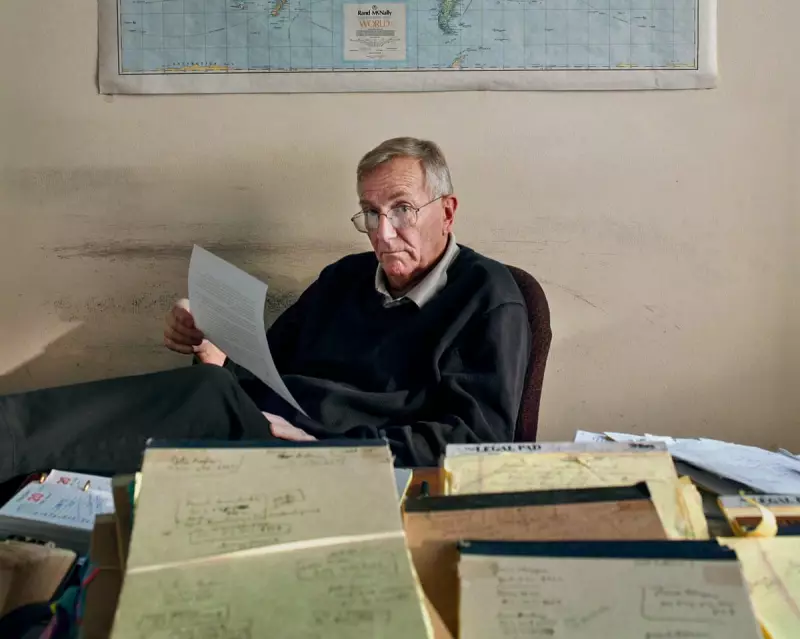
A powerful new documentary film has premiered, casting a spotlight on one of the most formidable and controversial figures in modern journalism. 'Cover-Up' delves into the life and career of Seymour Hersh, the Pulitzer Prize-winning reporter whose relentless investigations have exposed some of the most significant scandals of the last half-century.
The Unflinching Work of a Legendary Reporter
The film, directed by Rory Kennedy, meticulously traces Hersh's journey from his early days with the Associated Press to his groundbreaking work as a freelancer. It focuses on his most famous exposés, which fundamentally altered public understanding of American power. The documentary highlights how, in 1969, Hersh broke the story of the My Lai massacre in Vietnam, revealing the horrific killing of hundreds of unarmed civilians by US troops. This reporting earned him the Pulitzer Prize for International Reporting in 1970.
Decades later, Hersh would again shake the establishment with his reporting on the abuse of prisoners at Abu Ghraib in Iraq. The film examines how his dogged pursuit of the truth, often in the face of official denial and media scepticism, brought these dark chapters to light. It portrays Hersh not just as a reporter, but as a tenacious investigator who operated like a detective, cultivating sources and piecing together fragments of information that others missed or ignored.

Challenging the Official Narrative
'Cover-Up' does not shy away from the controversies that have followed Hersh throughout his career. It addresses the criticism he has faced, particularly in later years, for stories based heavily on single, anonymous sources. A significant portion of the film is devoted to his 2015 report on the killing of Osama bin Laden, which presented a version of events starkly at odds with the official account given by the Obama administration.
The documentary explores the intense backlash this story received from both government officials and fellow journalists, framing it as a central example of the tensions between independent investigative work and institutional narratives. Through interviews with colleagues, critics, and Hersh himself, the film paints a complex portrait of a man utterly convinced of his methodology and undeterred by accusations of conspiracy-mongering.
A Reflection on Truth and Power
Ultimately, 'Cover-Up' serves as a broader meditation on the state of investigative journalism in an era of heightened political polarisation and media distrust. It questions what happens when a reporter's findings challenge the stories told by governments and military authorities. The film suggests that Hersh's career embodies a constant struggle to hold power to account, a mission that has become increasingly difficult in today's media landscape.
By revisiting his landmark stories, the documentary underscores the vital, yet often fraught, role of the journalist as a watchdog. It leaves viewers with pressing questions about who gets to control the narrative, the risks of speaking truth to power, and the enduring need for courageous reporting, regardless of the personal and professional cost.