Hollywood's Landscape Faces Dramatic Reshaping as Paramount Prepares to Acquire Warner Bros
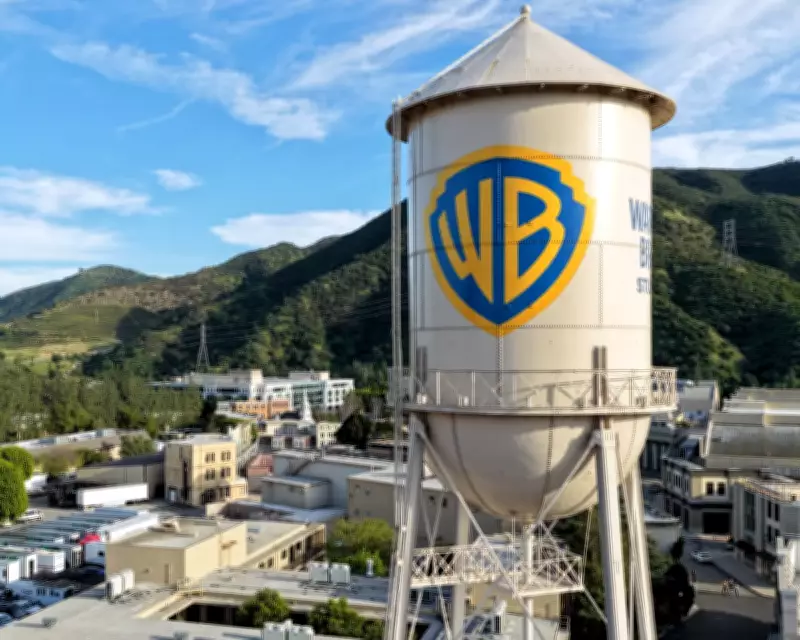
In a stunning reversal of fortunes, Paramount—which failed to secure a single Oscar nomination this year—is poised to acquire the award-dominant Warner Bros in a monumental $111 billion deal. This merger, if approved by regulators, would consolidate two entertainment giants into a single entity, fundamentally altering Hollywood's competitive dynamics and sparking widespread concern across the creative community.
Oscar Success Versus Corporate Takeover
Warner Bros recently celebrated an extraordinary Oscar triumph, securing 11 Academy Awards for films including One Battle After Another, Sinners, and Weapons, matching the record for most wins by a single studio. Meanwhile, Paramount's complete absence from nominations highlights the paradoxical nature of this acquisition, described by industry observers as "a minnow swallowing a whale."
The proposed merger arrives at a critical juncture for Hollywood, following previous consolidations including Amazon's absorption of MGM and Disney's acquisition of 20th Century Fox. Analysts warn this latest consolidation could trigger thousands of job losses, stifle creative innovation, and potentially limit politically-charged filmmaking given Paramount leadership's connections to former President Donald Trump.

Economic and Creative Consequences
David Dayen, executive editor of the American Prospect magazine, characterizes the merger as "a signpost on the road to the destruction of Hollywood." He emphasizes that reducing the number of major studios will inevitably decrease film output, further destabilizing an industry already grappling with streaming's rise and declining theater attendance.
The financial structure of the deal raises additional concerns. With approximately $80 billion in leveraged debt, executives have identified $6 billion in potential savings through eliminating "duplicative operations." The combined workforce of over 53,000 employees faces significant uncertainty, with Dayen predicting up to 25,000 job losses that would directly impact production capacity.
Consolidation's Impact on Creative Diversity
Laura Friedman, a former film producer turned Democratic California congresswoman, warns that increased consolidation makes survival increasingly difficult for independent producers and marginalized voices. "The fewer places there are to get films financed," she explains, "the more we crowd out independent filmmakers and up-and-coming artists, ultimately reducing viewers' choices."
Screenwriters echo these concerns. Stanley Weiser, whose credits include Wall Street and Freedom Song, fears the merger will contribute to "further dumbing down and homogenization of TV and film content," particularly challenging for emerging writers competing with advancing AI technologies.
Political Dimensions and Content Influence
The merger's political implications generate particular anxiety. Paramount head David Ellison's father, Larry Ellison, maintains friendship and alliance with Donald Trump, raising questions about whether politically sensitive films like One Battle After Another and Sinners—both exploring African American experiences—would receive greenlights under new leadership.
Congresswoman Friedman expresses concern about potential self-censorship: "What makes America great is that we don't self-censor and we do respect provocative viewpoints. Artists do good work when they can express themselves, not when they're trying to fit into a propaganda narrative."
Historical Context and Industry Skepticism
Warner Bros' century-old legacy includes iconic productions from Casablanca and Rebel Without a Cause to The Matrix and the Harry Potter series. The studio's recent commercial success is undeniable, with Warner Bros films accounting for 21% of the 2025 domestic box office compared to Paramount's 6%.
Despite Ellison's assurances about maintaining separate operations and increasing combined output to over 30 films annually, industry veterans remain skeptical. Hollywood historian Mark Harris predicts Warner Bros will gradually diminish within the Paramount structure, eventually becoming "the specialty or streaming label" before disappearing entirely.

Broader Media Consolidation Concerns
The merger extends beyond film production to unprecedented consolidation in television news, bringing CBS News and CNN under single corporate ownership. This aspect particularly troubles Drexel Heard, a political strategist with entertainment industry experience, who suggests the deal was "100% to consolidate the news organizations" rather than enhance entertainment offerings.
As regulatory review approaches, the entertainment industry braces for potential transformation. With theater owners already struggling and creative professionals facing reduced opportunities, the Paramount-Warner Bros merger represents what the Writers Guild of America describes as a "disaster" for writers, consumers, and the entire entertainment ecosystem.