The Testament of Ann Lee: A Radical Film Overlooked in Awards Season
The Testament of Ann Lee stands as a uniquely radical cinematic experience that was sorely overlooked during this year's awards season. This experimental film, which defies conventional categorization, represents a bold artistic statement that deserved far greater recognition for its originality and emotional power.
An Unconventional Cinematic Experience
More than just a traditional movie, The Testament of Ann Lee offers audiences a truly immersive experience that challenges conventional storytelling. The film's highly theatrical and experimental approach may initially alienate some viewers, but its unwavering commitment to its radical vision ultimately proves both winning and deeply moving. At its heart lies a career-defining dramatic performance from Amanda Seyfried in the title role, showcasing her remarkable range and emotional depth.
Creative Team and Production Background
From the creative team behind The Brutalist—last year's Venice Film Festival sensation and awards season favorite—comes this entirely different cinematic endeavor. This time, co-writer Mona Fastvold takes directorial control while The Brutalist director Brady Corbet shifts to producing and co-writing duties alongside his real-life partner Fastvold. Remarkably, the team has delivered another complete film just twelve months after their previous success.

The connection between these two films lies primarily in their creative teams' extraordinary talent and dedication, along with their modest budgets—The Testament of Ann Lee was produced for just $10 million (£7.4 million). While both films loosely explore themes of immigration to America in pursuit of better lives, the similarities essentially end there.
A Historical Musical Epic Unlike Any Other
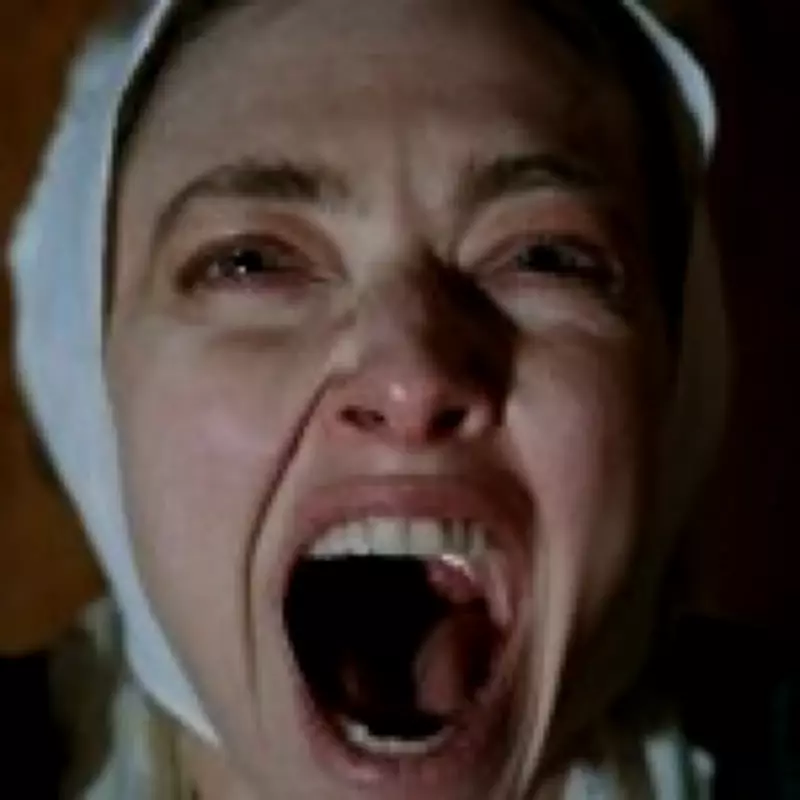
The Testament of Ann Lee emerges as a historical musical epic that defies comparison to traditional musicals or biopics. The film charts the life of Ann Lee, founder of the Shakers—a religious sect known for their dramatic, full-body physical worship involving moaning, stomping, writhing, and chest-beating as expressions of devotion and sin exorcism, alongside their commitment to celibate living.
The film's divisive nature became immediately apparent during early screenings, with several walkouts occurring at the initial September showing, followed by one of Venice Film Festival's longest standing ovations lasting fifteen minutes.
Haunting Music and Mesmerizing Choreography
Daniel Blumberg, who won an Oscar for his work on The Brutalist, has composed hauntingly beautiful melodies for this film that linger in the mind days after viewing. Based on authentic Shaker hymns and lyrics, his score represents stunning artistic achievement that deserved Oscar recognition once again. The near-continuous music propels the narrative forward, providing much of the film's emotional power.
When combined with Celia Rowlson-Hall's intense choreography, the effect becomes genuinely mesmerizing. The actors' movements synchronize perfectly with the musical score, creating a seamless integration of sound and motion that defines the film's unique aesthetic.
Amanda Seyfried's Transformative Performance
Amanda Seyfried portrays Ann Lee as a pious yet independent woman from an eighteenth-century Manchester working-class family who remained illiterate throughout her life. Through her involvement with Jane and James Wardley's Quaker worship group, she discovers peace, inspiration, and eventually assumes leadership as 'Mother Ann,' with followers believing her to be the second coming of Jesus Christ.
Seyfried masterfully handles this demanding role, which requires a convincing Manchester accent, extensive singing that showcases her soaring vocals, and navigating complex emotional territory. Her character endures tremendous hardship, including the loss of four children in infancy—depicted in graphic detail—with this trauma influencing her adoption of celibacy.

Visual Storytelling and Historical Context
Director Mona Fastvold presents Ann's visions from God as glorious paintings that border on hallucinations, particularly during periods of imprisonment and starvation. The film refrains from judgment while Seyfried portrays a passionate woman of unwavering conviction with remarkable restraint and authenticity.
The intensity of The Testament of Ann Lee perfectly suits its subject matter—a film essentially about a benign cult focused on community and fellowship. At their peak in 1840s America, the Shakers numbered approximately 6,000 members, compared to just a handful today. That Ann Lee was considered too radical during her lifetime makes this unconventional musical biopic particularly fitting as a tribute to her legacy.
A Profound Cinematic Achievement
While The Testament of Ann Lee won't appeal to every viewer, those who surrender to its unique vision will discover a profoundly moving experience unlike anything previously seen in cinema. The film's avant-garde nature requires open-mindedness and patience, but rewards viewers with an arresting and intimate period drama that challenges conventional filmmaking.
The Testament of Ann Lee represents a visceral, emotionally resonant film with musical numbers that embed themselves in the consciousness. For audiences willing to embrace its theatricality and unconventional approach, it offers a cinematic experience of remarkable depth and originality that deserved far greater recognition during this awards season.