Christopher Nolan's adaptation of Homer's Odyssey makes significant changes to the source material, omitting key scenes and characters while adding new elements and altering the ending. The film condenses the 12,000-line epic into a three-hour runtime, prioritizing Odysseus's trauma and resilience over his trickster qualities.
Omissions: Gods, Nausicaa, and Ghosts
Nolan excludes the Olympian council and active divine intervention. Only Athena appears, as a vision seen by Odysseus, representing his conscience rather than a deity. The meeting with Nausicaa and the Phaeacians is cut; Odysseus recounts his adventures to Calypso instead. In the underworld, only Agamemnon appears; Achilles, Ajax, and Odysseus's mother are absent. The execution of disloyal women is replaced by Penelope pushing Melantho into the suitors' slaughter.
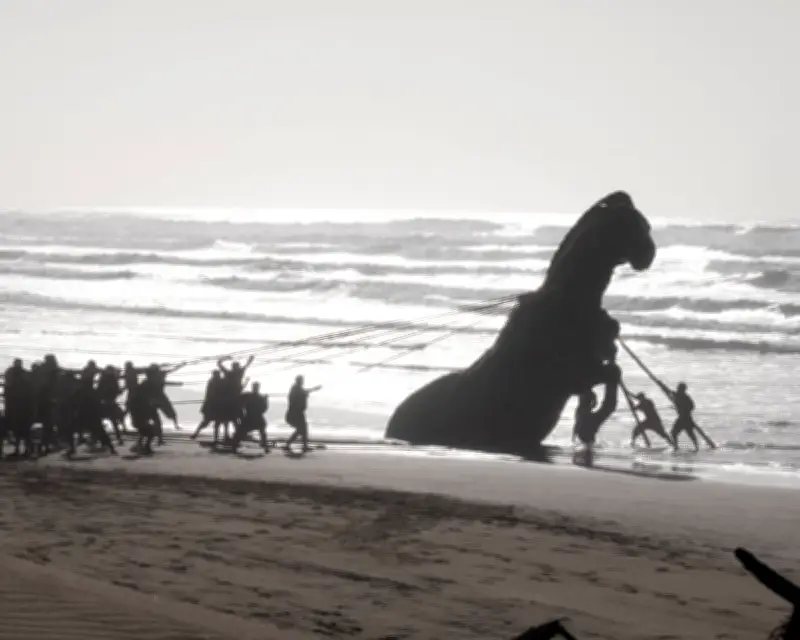
Additions: Wooden Horse and Sinon
Nolan includes the wooden horse, mentioned but not narrated in Homer, and introduces Sinon, drawn from Virgil's Aeneid, who tricks the Trojans. The film also invents a backstory for Sinon and references threats from "people from the sea" and trade routes, nodding to ancient historians.

Changes: Calypso, Cyclops, and Circe
Calypso uses lotus flowers to sedate Odysseus rather than forcing sex; she releases him out of pity, not divine command. The Cyclops does not speak, losing the "Nobody" trick and the curse. Circe's motives are anger at male aggression, not enchantment; she restores men after Odysseus shows empathy. The ambush of Telemachus occurs at a temple, with Odysseus intervening in disguise.
New Ending
Nolan discards the poem's final scenes, including Laertes and the suitors' families. Instead, Telemachus becomes king, and Odysseus and Penelope sail off to honor fallen comrades. This provides a heroic conclusion rather than Homer's anticlimactic resolution.
According to Chris Tryhorn, author of Homer's Odyssey, these changes fit Nolan's focus on resilience and trauma, downplaying Odysseus's guile. The film retains the core journey but reimagines it for modern audiences.