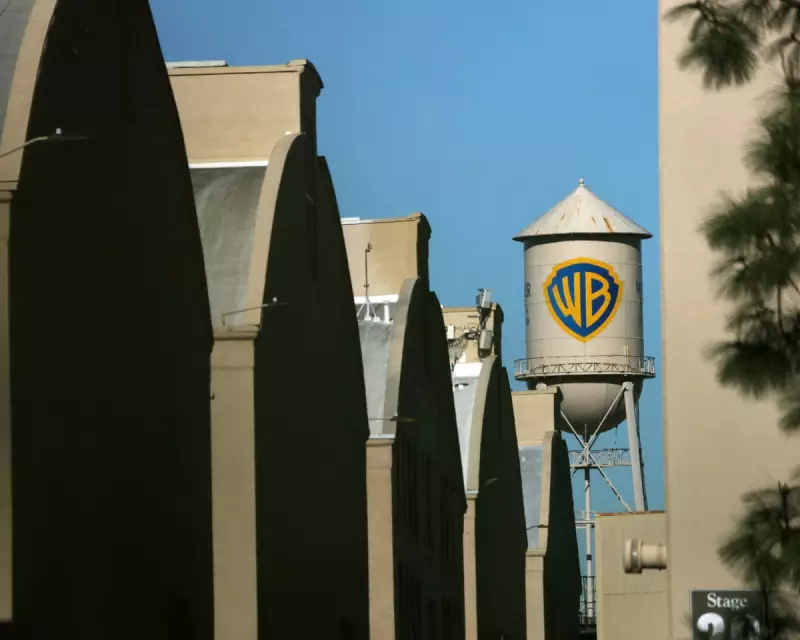
The proposed $83bn acquisition of Warner Bros by streaming giant Netflix has ignited a fierce political and industry backlash, with calls for regulators to block what critics label an "anti-monopoly nightmare".
Political and Industry Figures Demand Action
Leading the charge against the landmark media deal is Democratic Senator Elizabeth Warren. In a strongly-worded statement, she argued that a combined Netflix-Warner Bros entity would control nearly half of the streaming market. She warned this dominance threatens American consumers with higher subscription prices, fewer viewing choices, and risks to workers' jobs.
Her concerns were echoed by Congresswoman Pramila Jayapal, co-chair of the House Monopoly Busters Caucus. Jayapal predicted the merger would lead to more price hikes, increased advertising, and homogenised content, while diminishing creative control for artists and suppressing wages. "The government must step in," she asserted, highlighting existing concerns over corporate power in media.

Hollywood Guilds Voice "Significant Concerns"
The backlash extends deep into the entertainment industry's workforce. The Writers Guild of America (WGA) released a statement unequivocally calling for the deal to be stopped. It argued that antitrust laws were specifically designed to prevent such consolidation, where the world's largest streaming service absorbs a major competitor.
The WGA statement outlined a dire prognosis: job losses, lower wages, worsening working conditions, consumer price increases, and a reduction in both the volume and diversity of available content. The Directors Guild of America (DGA) also expressed "significant concerns" and plans to request an urgent meeting with Netflix management to discuss the implications.
Acclaimed director James Cameron had pre-emptively criticised the potential purchase on the industry podcast The Town, labelling it "a disaster".
Netflix Confident in "Pro-Consumer" Deal
Despite the mounting opposition, Netflix leadership remains bullish. Co-CEO Ted Sarandos stated he is "highly confident" the merger will proceed without regulatory issues. On a recent investor call, he framed the $83bn deal as "pro-consumer, pro-innovation, pro-worker, pro-creator".
In an attempt to assuage fears about the future of cinematic releases, a Netflix statement confirmed it expects to maintain Warner Bros' current operations, including its slate of theatrical films. Sarandos added that release "windows" would evolve to be more consumer-friendly, but affirmed that projects currently planned for theatrical release by Warner Bros would continue to debut in cinemas.
The deal, which would bring iconic franchises like Harry Potter, Game of Thrones, Superman, and The White Lotus under the Netflix umbrella, emerged after other parties like Paramount and Comcast had shown interest. It follows a strong theatrical year for Warner Bros, with hits including Sinners, Superman, and Final Destination: Bloodlines.