Netflix CEO Champions $83bn Warner Bros Takeover as Industry Booster
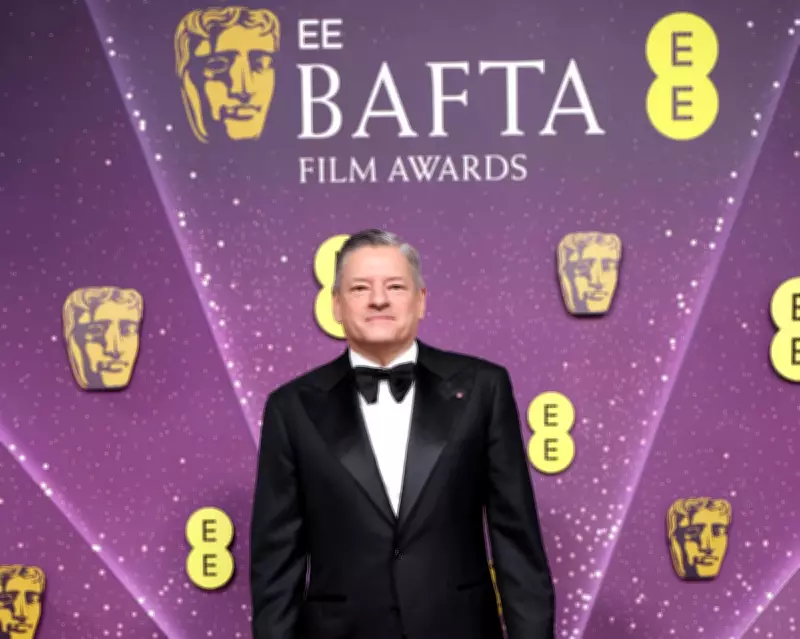
Netflix co-CEO Ted Sarandos has robustly defended the streaming giant's monumental $82.7 billion (£61bn) acquisition bid for Warner Bros Discovery (WBD) assets, positioning it as a catalyst for growth within the UK's film and television sector. Speaking at the Bafta Film Awards held at London's Royal Festival Hall, Sarandos framed the proposed deal as a strategic expansion that would enhance market diversity, directly contrasting it with a rival offer from Paramount Skydance.
Strategic Expansion Versus Consolidation
During an interview on BBC Radio 4's Today programme, Sarandos articulated that Netflix's acquisition targets WBD's studio and distribution capabilities, elements currently absent from its portfolio. "We're buying a movie studio and a distribution entity that we don't currently have," he stated. He emphasized that this move would inject vitality into the industry, whereas Paramount's competing bid, backed by a $40 billion personal guarantee from Oracle co-founder Larry Ellison, promises immediate cuts. "Paramount has committed that they're going to cut $6bn out of the business right away. This industry would be much smaller under that ownership than it would be under Netflix ownership," Sarandos warned.
He characterized Paramount's $108.4 billion bid for the entire WBD corporation, including its TV networks, as a "classic, horizontal media merger" that typically harms consumers and creators by collapsing two studios into one. This perspective aligns with broader criticisms that both proposals risk excessive market consolidation, potentially stifling competition and innovation.

Political Interjection from Donald Trump
Sarandos' comments follow an unexpected political intervention by former US President Donald Trump, who demanded Netflix remove Democratic foreign policy expert Susan Rice from its board or "face the consequences." Rice, a veteran of both the Obama and Biden administrations, has been a focal point in this corporate saga. When questioned about Trump's remarks, Sarandos downplayed their relevance, asserting, "This is a business deal, it's not a political deal ... He likes to do a lot of things on social media." This dismissal underscores the tension between corporate strategy and political pressures in high-stakes media acquisitions.
Netflix's Commitment to UK Creativity
Amid calls from UK MPs for a competition review of the Netflix-WBD deal, citing concerns over reduced competition and its impact on consumers and the creative industries, Sarandos vigorously defended Netflix's contributions to British entertainment. He highlighted that Netflix's UK operations are deeply rooted in local talent, with 59 productions currently underway in the country. "Our teams here are 100% British. The writers and directors and creators of this programming are all British," he noted, distinguishing this from superficial American-led projects.
Sarandos pointed to successful British series like Baby Reindeer and Adolescence as examples of stories that might have "fallen through the cracks" without Netflix's platform. These hits, he argued, demonstrate the company's ability to amplify unconventional British narratives, fostering a creative environment that encourages risk-taking. "They have been able to find a very big audience which gives us the courage to take some big swings and do things that are slightly unconventional," he explained.
Deadline for Paramount's Final Offer
The corporate battle intensifies as Paramount faces a deadline to submit its best and final offer for WBD, challenging Netflix's existing bid. This showdown not only highlights the fierce competition for media assets but also raises critical questions about the future landscape of global entertainment. As regulators and industry stakeholders scrutinize these moves, the outcome could reshape content creation, distribution, and cultural representation on an international scale.
In summary, Ted Sarandos' defence of Netflix's bid underscores a vision of growth and support for the UK creative economy, while navigating political crosswinds and competitive pressures. The coming days will reveal whether this ambitious takeover will proceed, potentially redefining the boundaries of streaming and traditional media integration.