Netflix's Lucy Letby Documentary Faces Backlash Over AI-Generated Witnesses
Netflix has sparked significant controversy with its latest true crime documentary, The Investigation of Lucy Letby, which employs artificial intelligence technology to digitally disguise the identities of several contributors. The streaming giant's decision to use AI-generated avatars rather than traditional anonymisation methods has drawn criticism from viewers and raised questions about ethical boundaries in documentary filmmaking.
The Controversial Case and Documentary Approach
The 90-minute documentary examines one of Britain's most divisive criminal cases, focusing on former neonatal nurse Lucy Letby who was convicted in August 2023 of murdering seven babies and attempting to murder six others between 2015 and 2016. Despite receiving a whole life sentence, Letby continues to maintain her innocence, claiming she is "not the sort of person who kills babies."
Netflix's production features previously unseen police footage from Chester Constabulary showing Letby's arrest at her parents' home in 2020, where she can be heard telling officers she had "only ever done [her] best for those babies." The documentary includes interviews with various parties connected to the case, including legal professionals, medical experts, victims' families, and Letby's friends.

AI Implementation and Viewer Reaction
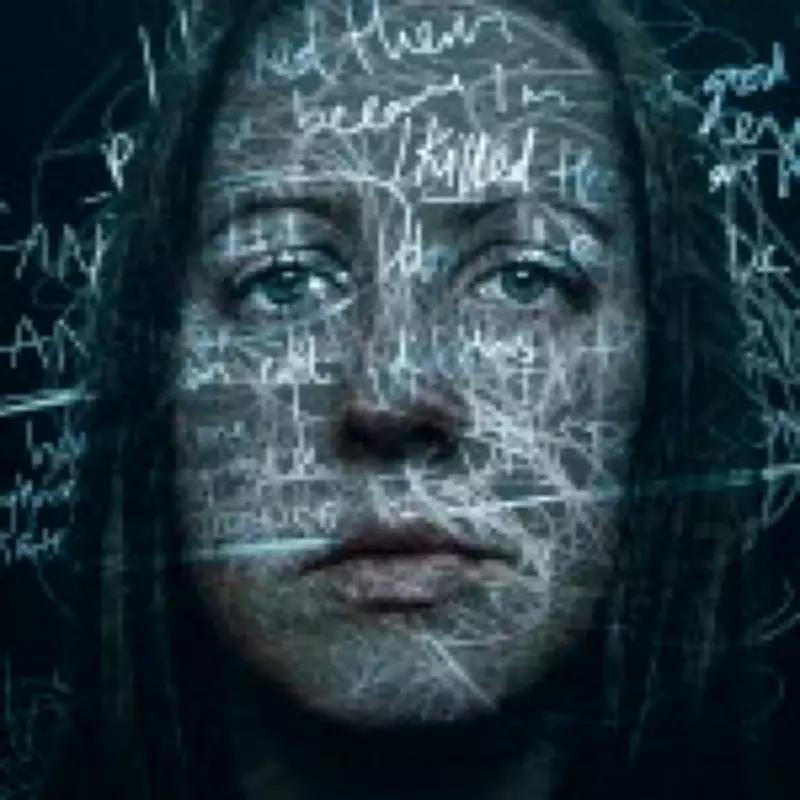
From the documentary's opening moments, viewers are informed that "some contributors have been digitally disguised to maintain anonymity. Their names, appearances, and voices have been altered." This warning precedes several segments where AI technology generates convincing human-like avatars to represent witnesses who wished to remain anonymous.
One particularly controversial sequence features a mother identified as "Sarah" speaking about her baby "Zoe's" death from pneumonia and sepsis. Rather than using conventional techniques like silhouettes, voice distortion, or professional actors, Netflix employed AI to create a digital representation that mimics human emotional responses, including appropriate sighs and emotional glances.
Similarly, Letby's university friend, given the pseudonym "Maisie," appears as an AI-generated character who reads letters from Letby while displaying emotional reactions like placing her head in her hands and breaking down in tears.
Viewer response on social media platforms has been largely negative, with many expressing discomfort with the technological approach. One X user described the decision as "foul," while another called the AI use "so distracting and weird." Critics have argued that traditional anonymisation methods would have been more appropriate for such sensitive subject matter.
Filmmaking Perspectives on AI Technology
The documentary's approach reflects broader debates within the film industry about artificial intelligence applications. Some filmmakers defend such technology as empowering for contributors who wish to share their stories while maintaining privacy. Reuben Hamlyn, co-creator of Another Body (a film about deepfake pornography victims), previously told The Guardian that AI represents "such an important tool in empowering people to share their story."
Similarly, actor Ben Affleck has defended AI's potential in filmmaking, suggesting it could reduce costs and "lower the barrier for entry" for aspiring filmmakers while acknowledging that movies would be "one of the last things" to be completely replaced by artificial intelligence.
However, prominent directors like James Cameron have expressed concern, warning that "the idea that this technology could potentially replace actors and the unique lens that every artist brings is horrifying."
Documentary Content and Ethical Considerations
Beyond the AI controversy, the documentary reveals several significant developments in the Letby case. Dr. John Gibbs, who testified against Letby during her trial, admits to having "tiny" doubts about her guilt, while Dr. Shoo Lee expresses concern that prosecutors may have "misrepresented" his research during the legal proceedings.

The documentary also addresses the controversial Post-It note "confession" in which Letby wrote that she "killed them on purpose" and was a "horrible, evil person." Legal representatives argue this was part of a therapeutic exercise rather than a genuine admission of guilt.
Letby's parents, Susan and John Letby, have publicly criticised the documentary as a "complete invasion of privacy," claiming Netflix failed to inform them about using recordings from inside their family home.
As streaming platforms continue to push boundaries in documentary filmmaking, The Investigation of Lucy Letby represents a significant case study in how emerging technologies intersect with ethical considerations, particularly when dealing with sensitive criminal cases and vulnerable contributors.