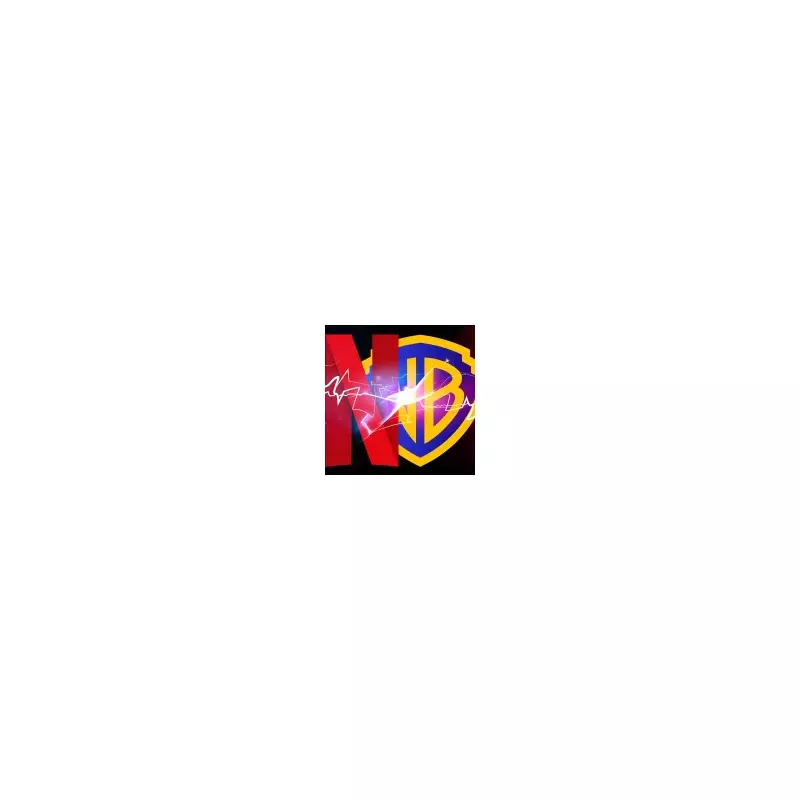
In a seismic shift for the entertainment industry, streaming titan Netflix has agreed to acquire the film, television, and streaming assets of Warner Bros. Discovery for a staggering £54 billion ($72 billion). The landmark deal, announced on December 6, 2025, promises to redraw the media landscape, pending approval from competition authorities.
The Deal and the Battle Behind It
Netflix emerged victorious from an intense bidding war against rivals Comcast and Paramount Skydance to secure the prize. The agreement, if greenlit by regulators, will unite two of the world's most formidable content libraries. Warner Bros. president and CEO David Zaslav hailed the union as a coming together of "two of the greatest storytelling companies in the world," promising it would ensure global audiences enjoy iconic stories "for generations to come."
The transaction is expected to finalise by the third quarter of 2026. Netflix co-CEO Ted Sarandos has expressed high confidence in receiving the necessary regulatory approvals, despite anticipated scrutiny.

A Treasure Trove of Content Joins Netflix
The acquisition hands Netflix control over an almost unrivalled catalogue of beloved franchises and award-winning series. Key properties moving under the Netflix umbrella include:
- The entire Harry Potter film series and the upcoming TV reboot.
- DC Comics franchises featuring Batman, Superman, and Wonder Woman.
- The cinematic worlds of The Lord of the Rings, The Matrix, and Game of Thrones.
- Iconic TV shows like Friends, The Big Bang Theory, The Sopranos, Succession, and The White Lotus.
- Classic films from Casablanca to Citizen Kane.
- Studio assets such as Warner Bros. Pictures, HBO, New Line Cinema, and WB Games.
What Changes for Viewers and Subscribers?
In the immediate term, the companies state that HBO and the Max streaming service will continue to operate independently. A statement on Netflix's corporate blog emphasised that HBO and Max provide a "compelling, complementary offering." This suggests services will not merge immediately, but content integration is expected over time.
For Netflix subscribers, the deal ultimately means unparalleled access to a vastly expanded library. Netflix has pledged that the merger will allow it to "optimise its plans for consumers, enhancing viewing options and expanding access to content." However, this consolidation has sparked significant concern.
Criticism and Regulatory Hurdles
The proposed merger has not been met with universal applause. Democratic Senator Elizabeth Warren labelled it an "anti-monopoly nightmare," warning it could lead to higher subscription prices, fewer choices for consumers, and risks to American jobs. Similarly, the Writers’ Guild of America has insisted the deal "must be blocked."
Former Warner Bros. CEO Jason Kilar commented on X that selling to Netflix was an exceptionally effective way to "reduce competition in Hollywood." These voices will likely influence the regulatory review process in the coming months.
Ultimately, this £54 billion deal marks one of the largest media mergers in history. It positions Netflix not just as a streaming platform, but as a dominant, vertically integrated studio powerhouse, setting the stage for a new era in how we watch and who controls what we see.