After an agonising 18-year hiatus, the iconic bounty hunter Samus Aran has finally blasted her way back onto screens in Metroid Prime 4: Beyond. Developed by Retro Studios and published by Nintendo, this long-awaited sequel arrives on Nintendo Switch and Switch 2, testing the patience of fans who have waited since 2007. The question hanging over every frost-covered corridor and alien-infested facility is simple: was the nearly two-decade wait justified?
A Nostalgic Return to Form
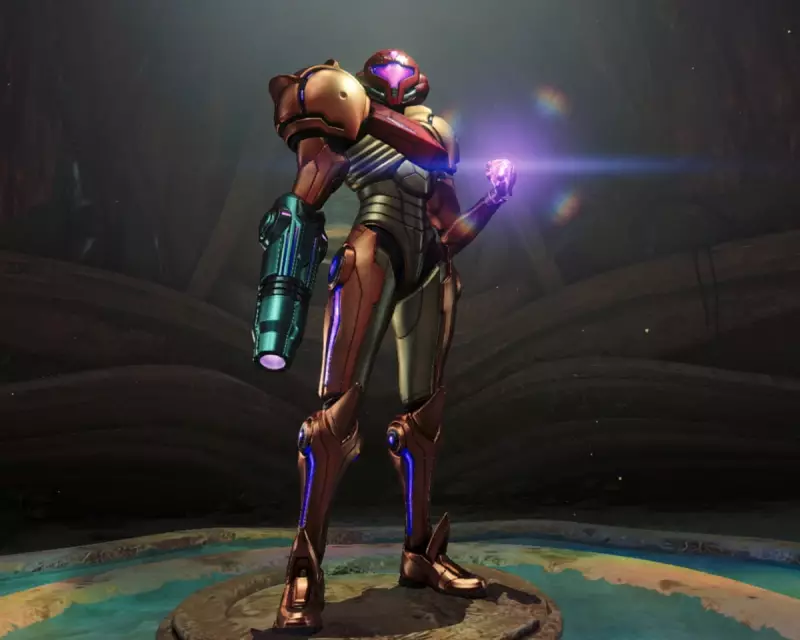
The game immediately immerses players in the classic, isolating atmosphere that defined the series. One early section set in a frozen laboratory, with cryogenic pods hinting at dormant horrors, is pure Metroid. The sense of eerie exploration, punctuated by the clank of metal boots and the creak of ageing infrastructure, is masterfully recreated. Samus Aran, Nintendo's most formidable and often overlooked hero, is as impeccably awesome as ever, now equipped with new psychic abilities that cast her armour in a pulsating purple light.
Control feels intuitive, especially when using the Switch 2's motion controls to aim by pointing at the screen, though using it like a mouse can cause wrist strain. The core loop of scanning environments with the visor, unlocking new abilities, and transforming into the iconic Morph Ball remains satisfyingly intact. The game is a visual throwback, featuring Giger-esque designs and spectacular sights, from enormous boss creatures to vast deserts under alien suns.

Innovations and Irritations
Metroid Prime 4: Beyond isn't afraid to borrow from other dormant Nintendo franchises. Players will catch surprising echoes of F-Zero in Samus's shape-shifting motorcycle and of Star Fox in the formation-flying enemies. These homages are welcome additions to the interstellar exploration.
However, not all new elements land successfully. The developers, seemingly concerned about players getting lost, have saddled Samus with a companion. Engineer Myles MacKenzie proved intensely irritating during previews, and his Joss Whedon-style quips remain a low point. Thankfully, he is largely confined to a basecamp after the first 15 minutes, though other stranded soldiers occasionally pop up with unwelcome advice. Furthermore, the expansive desert connecting key areas feels disappointingly empty, leading to tedious traversal in the game's later stages.
A Deliberately Dated Design
In many ways, Metroid Prime 4 feels like a game from 15 years ago, and this is presented as its greatest strength. It defiantly ignores modern conventions like ubiquitous fast travel, favouring a slow, methodical pace of exploration. The predictable structure—defeating five bosses in five arenas to collect five keys—feels comfortingly retro rather than archaic after such a long series absence.
This old-school approach has its drawbacks. The spotty autosave system is a significant flaw, forcing players to potentially replay up to thirty minutes of progress after an untimely death. It's a harsh reminder of design philosophies many thought were left in the past.
Ultimately, Metroid Prime 4: Beyond is a reunion tour, not a revolution. While some new additions misfire and the empty overworld frustrates, the core experience—the atmospheric exploration, the tense combat, the gradual empowerment—remains powerfully effective. Had it released in 2010, it might have felt outdated. In 2024, after an 18-year wait, its anachronistic, labour-intensive, and sometimes annoying design feels like a welcome return to a lost era of sci-fi adventure. Metroid Prime 4: Beyond launches on 4 December, priced at £58.99.