Melania Documentary's Record Gap: Critics vs. Audience Scores
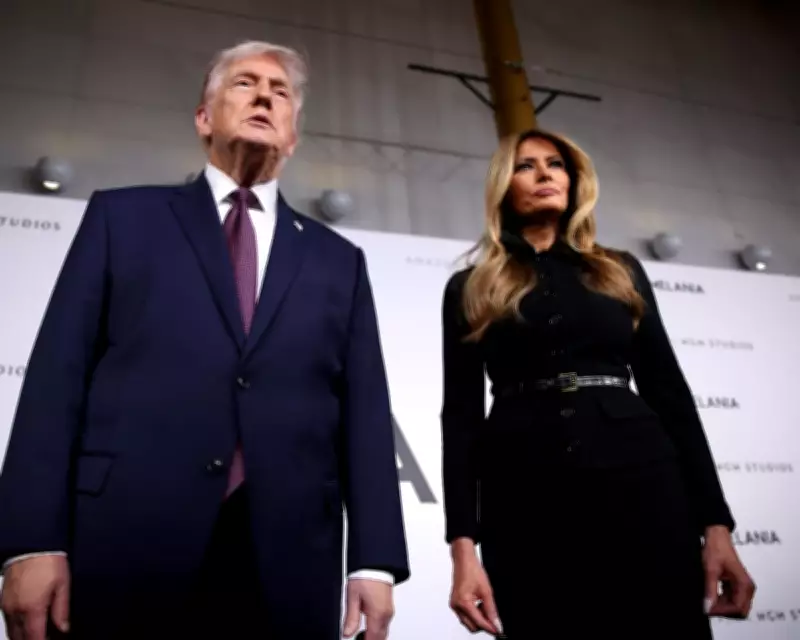
The chasm between professional critics and general audiences has never been more pronounced than in the case of the Melania Trump documentary. On Rotten Tomatoes, critics have delivered a scathing 11% score, while verified ticket buyers have lavished it with a near-perfect 98% rating. This staggering 87% disparity sets a new record for the widest gap in the site's history, sparking debates over political bias, review manipulation, and the evolving nature of film reception.
A Tale of Two Realities
If you feel like you're living in a different reality, a glance at the Melania documentary's Rotten Tomatoes page might explain why. The critics' score, aggregated from published reviews, sits at a dismal 11%, with reviewers like Mark Kermode calling it "the most depressing experience I have ever had in the cinema." In stark contrast, the audience rating soars to 98%, based on feedback from verified ticket buyers, with one reviewer praising it as a must-see for "every red blooded American" to appreciate the "grace, sophistication and power of Flotus." This divide raises questions: are critics seizing an opportunity to critique an unpopular president through his wife's project, or are activists flooding the site with fake reviews to sway public perception?
Historical Context of Critical-Audience Gaps
Melania now holds the title for the largest gap between critics and audiences, surpassing previous record-holders. Until recently, Five Nights at Freddy's 2 led with a 68% difference, scoring 16% from critics and 84% from audiences. Before that, 2024's Emilia Pérez had a 53% gap, earning 70% from critics but only 17% from audiences. Other notable examples include Red Notice (37% critics vs. 92% public) and Jigsaw (32% critics vs. 88% public), while films like Under the Skin scored higher with critics (83%) than audiences (55%). This pattern reveals two key biases: audiences often favor formulaic, crowd-pleasing films, while critics seek innovative, challenging works to break the monotony of mainstream entertainment.

Ideological Motivations and Review Patterns
The gap isn't just about taste; it may reflect ideological motivations. Films that underperform with audiences, such as Emilia Pérez and Under the Skin, feature female leads, suggesting that certain segments of the public react negatively to films centered on women, Black people, or transgender themes. Past instances of review bombing, like Captain Marvel, Ghostbusters (2016), The Last Jedi, and The Little Mermaid, indicate a pattern where public reviews are driven by cultural or political agendas. This raises the possibility that Melania's audience score is similarly influenced, rather than purely reflective of cinematic merit.
The Growing Divide and Future Implications
Take both critics' and audience scores with a grain of salt: critics often lean highbrow and may undervalue populist films, while online reviewers can be unpredictable. Yet, the gap is widening annually, from Emilia Pérez's 53% in 2024 to Five Nights at Freddy's 2's 68% in 2025, and now Melania's 87%. It's hard to imagine this record being broken, but history suggests otherwise. Future contenders might include films by controversial figures tackling sensitive topics, such as a hypothetical Mel Gibson's The Resurrection of the Christ, which could ignite prolonged debates. As cinema becomes more polarized, this divide between critics and audiences is likely to persist, reshaping how we evaluate and discuss films in an increasingly fragmented cultural landscape.