Steve McQueen Reflects on Robert Duvall's Iconic Presence in Widows
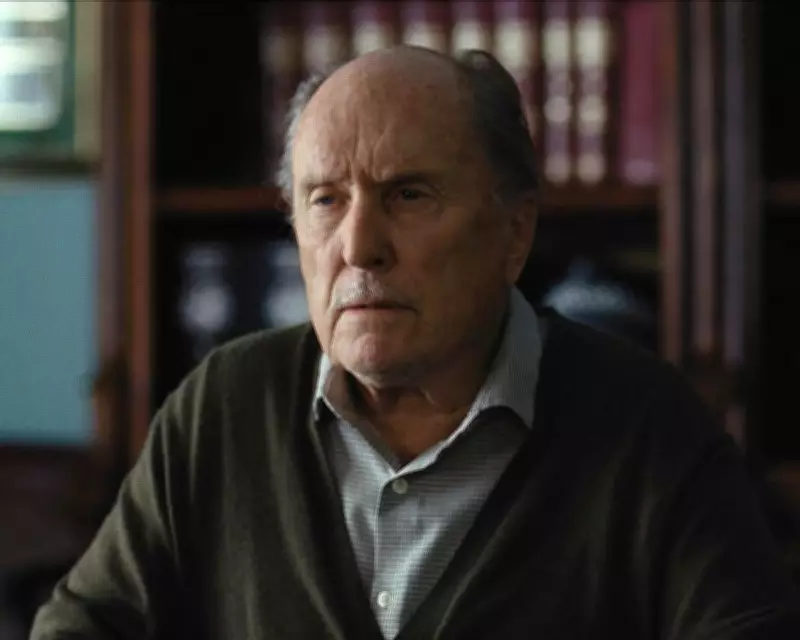
In a candid recollection, acclaimed director Steve McQueen opened up about his experience working with legendary actor Robert Duvall on the 2018 thriller Widows. McQueen cast Duvall, then in his late 80s, as politician Tom Mulligan, describing the veteran as "the rock" who brought essential gravity to the production.
Nerves and New Beginnings for a Hollywood Legend
McQueen was initially taken aback when Duvall, an icon with a career spanning back to the 1960s, displayed visible nervousness on set. "He was as nervous as Cynthia Erivo was, whose first ever film role it was," McQueen noted. This revelation left the director "gobsmacked," but he soon recognized it as a hallmark of a true artist. "That's a sign of a great artist: he doesn't rely on what he's done before. He's going into it brand new every time," McQueen explained.
The tension dissipated once filming began, with McQueen comparing Duvall's process to that of a football player: "You're thinking about the match, getting wound up, and once you're on the field, well, it's, let's get on with it. And that was Robert. Once the engines were warmed up, he was away."

Memorable On-Set Anecdotes and Artistic Dedication
McQueen shared several lighthearted stories from the Widows set, highlighting Duvall's playful and committed nature. In one scene with co-star Elizabeth Debicki, where her character is shot and falls onto Duvall, the actor broke into a spontaneous rendition of "Getting to Know You" from The King and I, lightening the mood during a tense moment.
Another amusing incident involved Duvall's wife, who arrived on set with a briefcase containing a telephone headpiece. She read lines to Duvall through an earpiece, mimicking Marlon Brando's method—a tactic that amused McQueen and showcased Duvall's dedication to his craft.
The Depth of Duvall's Artistry and Legacy
McQueen praised Duvall's acting style, emphasizing his ability to keep everything "on the surface" for manipulation within scenes. "He puts everything out there, for the film. That's the thing about Bob: he was a proper artist," McQueen stated. He pointed to Duvall's work in The Apostle, which he wrote and directed, as evidence of his skill in stirring emotions and leading a narrative.
Reflecting on Duvall's broader impact, McQueen credited him as a foundational figure in cinema. "He was so skilled; without him, there is no Pacino, there's no De Niro. You need those rocks," he asserted. Duvall's background as the son of a US navy rear admiral informed roles like in Apocalypse Now, adding a layer of authenticity to his performances.
A Life of Autonomy and Self-Belief
McQueen highlighted Duvall's versatility as an actor, writer, and director, noting his autonomy in choosing projects. From declining Godfather III to writing songs for Tender Mercies and starring in a tango film, Duvall consistently "bet on himself." This self-assured approach, McQueen suggested, contributed to a fulfilling life and career. "He always bet on himself. And because of that he died happy," McQueen concluded, underscoring the enduring legacy of a Hollywood titan.