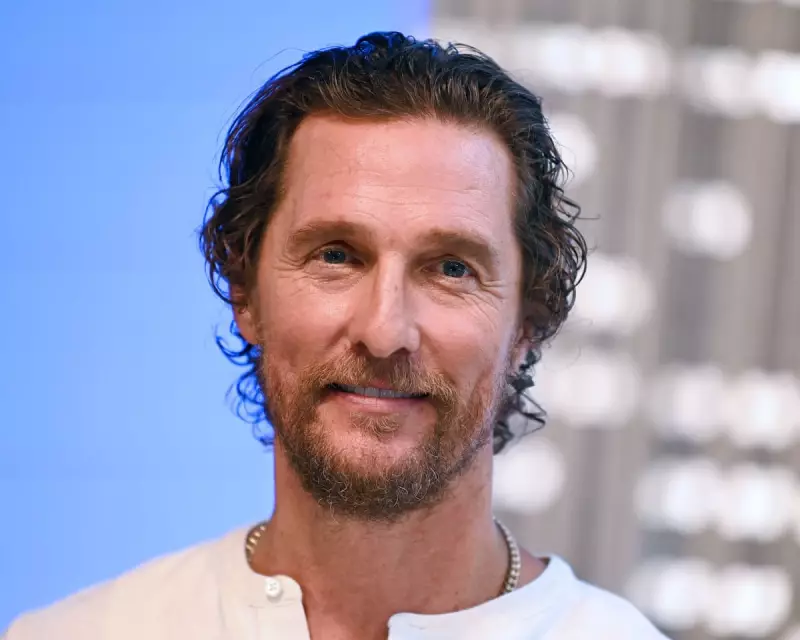
Hollywood star Matthew McConaughey has taken a decisive legal step to protect his identity in the digital age, officially trademarking his famous catchphrase and likeness to guard against artificial intelligence misuse.
Legal Shield Against Digital Replication
The Oscar-winning actor has secured eight separate approvals from the US Patent and Trademark Office in recent weeks. These trademarks cover specific film clips, including him standing on a porch and sitting before a tree, alongside an audio clip of his iconic line from the 1993 film Dazed and Confused: "All right, all right, all right".
In a statement, McConaughey explained his proactive move: "My team and I want to know that when my voice or likeness is ever used, it's because I approved and signed off on it. We want to create a clear perimeter around ownership with consent and attribution the norm in an AI world."

A Growing Crisis for Performers
The entertainment industry is grappling with the rampant rise of AI-generated impersonations. Unauthorised use of a performer's digital likeness became a prominent issue in 2023 when Tom Hanks alerted fans that his image was being used in a dental plan advertisement without his consent or cooperation.
The problem has intensified with the widespread use of digital body scans on film sets, sparking fears about how this biometric data could be exploited. Actor Olivia Williams has recently advocated for a "nudity rider" in contracts to prevent inappropriate use.
The current scandal involves X's Grok generative AI chatbot, which has been used to create non-consensual sexualised images of individuals, adding urgency to the call for stronger protections.
Setting a Precedent for the Industry
While McConaughey's legal team confirms there are no specific, current complaints against misuse of his likeness, they are aiming to establish broad, preventative protection. This move is seen as setting a legal precedent for other performers.
Jonathan Pollack, one of the actor's lawyers, highlighted the strategy's power: "In a world where we're watching everybody scramble to figure out what to do about AI misuse, we have a tool now to stop someone in their tracks or take them to federal court."
This landmark action by the acclaimed actor signals a new front in the battle for intellectual property and personal identity in an era where digital replication is becoming effortless. It places a legal framework around the very essence of a performer's public persona—their voice, image, and most memorable lines.