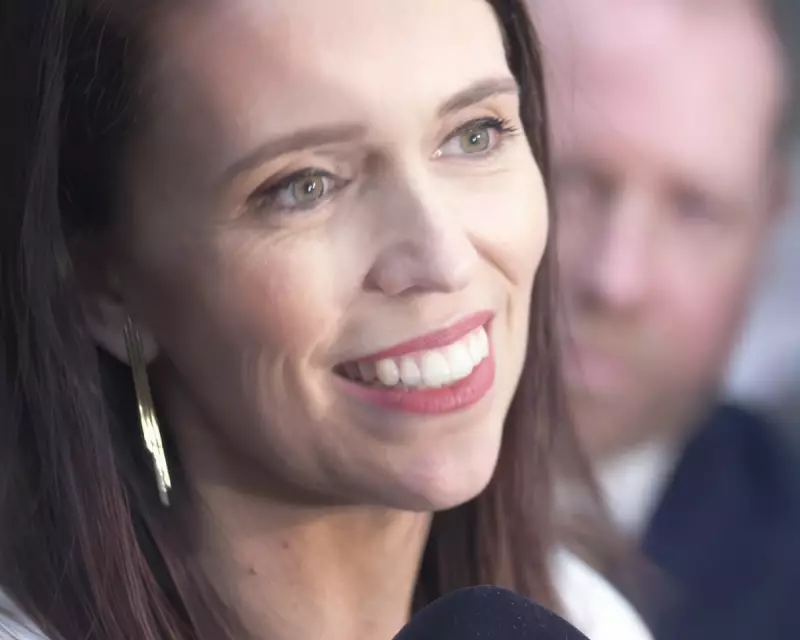
A new documentary film offers an intimate and strikingly human portrait of New Zealand's former Prime Minister, Jacinda Ardern. 'Prime Minister' provides viewers with unprecedented access to the leader who captivated the world from 2017 until her resignation in 2023.
A Leader Without Armour
The film presents Ardern as a political figure who defied the traditional mould. Unlike the guarded, professional politicians familiar on the global stage, she is portrayed as vulnerable, scrutable, and deeply likable. The documentary suggests she rose to power with the New Zealand Labour Party and became Prime Minister so rapidly that she never developed the defensive 'carapace' typical of career politicians.
With intimate footage, the film follows her personal life with partner Clarke Gayford, her ascent to party leadership in 2017, and her historic election as the world's youngest female elected head of government. It also highlights her unique personal milestone of giving birth while in office.

Crises and Compassion
The documentary dedicates significant focus to Ardern's handling of national crises. Her response to the Christchurch mosque shootings in 2019 is shown as a defining moment of sincere compassion and decisive action. The film notes how she leveraged the political capital from that tragedy to implement a swift ban on assault rifles, a move that garnered international admiration.
Her leadership during the Covid-19 pandemic is also examined. Initially, New Zealand's geographical isolation and strict policies seemed like a stroke of luck, shielding the nation from the virus's worst early impacts. However, the film does not shy away from the subsequent challenges, including a damaging new wave of infections, a dip in her poll numbers, and the rise of anti-vaccine protests.
The Limits of a New Politics
One of the documentary's most compelling threads is its exploration of the misogyny and hostility Ardern faced. It draws parallels with Australia's former Prime Minister Julia Gillard and shows how far-right protestors camped outside parliament specifically targeted her as a woman. Despite this, the film portrays a leader who remained largely unchanged—neither hardened nor embittered by the vitriol.
A rare moment of tension captured on film reveals another layer. In a scene towards the end, Gayford gently questions if she is overworking, prompting a brief flash of temper from Ardern as she asks if he is suggesting she delegate. This fleeting glimpse hints at the steel and resolve necessary for survival at the highest level of politics.
The overarching question the film implicitly raises is whether modern political systems have space for a leader like Ardern. It concludes that such space is shrinking, making her tenure seem all the more exceptional.
'Prime Minister' is currently showing in Australia and will be released in cinemas across the UK and Ireland from 5 December.