With the release of Hyrule Warriors: Age Of Imprisonment, an iconic chapter in gaming history has drawn to a close. This musou-style spin-off, published on December 6, 2025, represents the final game set within the timeline established by The Legend of Zelda: Breath of the Wild. For one reader, it provides a moment to reflect on what made the landscape of that era so profoundly special.
A Farewell to a Legendary Landscape
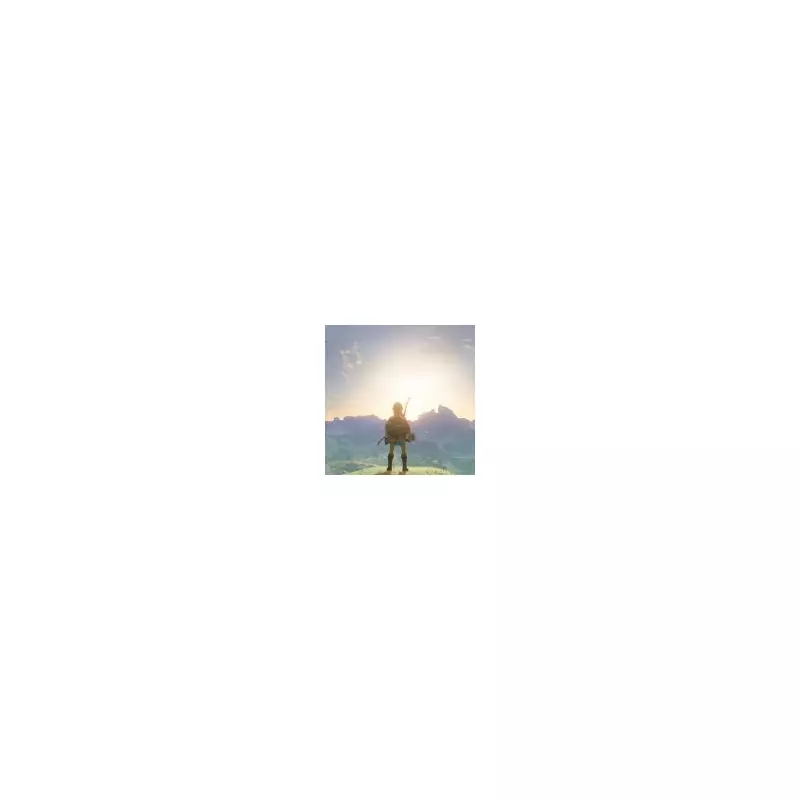
It's easy to become engrossed in the chaotic, enemy-throwing action of Age of Imprisonment and overlook the significance of its setting. The game revisits the majestic vistas first revealed in that iconic E3 trailer nearly a decade ago. From the snow-capped peaks of Hebra and the wetlands of Lanayru to the rolling dunes of the Gerudo Desert and the broad expanse of Hyrule Field, these locations are now, in a sense, being put out to pasture.
This map from the 'Wild era' – encompassing both Breath of the Wild and Tears of the Kingdom – is not the largest in RPG history, nor the most densely populated. Its greatest achievement, however, is that it transcends being a mere map for gameplay and becomes a living, breathing landscape. Traditionally, game maps are functional spaces where action occurs and objectives are met. The Wild era map invited players to simply stop and exist within it, to watch the sky change colour or a storm gather on the horizon.

An Artful World That Exists Beyond the Hero
The design philosophy seems indebted to a Romantic sensibility, understanding the naturally heroic quality of nature itself. Often, the most captivating moment on screen had nothing to do with Link's quest. It might be a deer startling from the brush or the way light dappled through swaying grass. This was a world that felt like it existed independently of the player's goals, making it as much a mood, a feeling, and an aesthetic as a kingdom in need of salvation.
Admittedly, Hyrule Warriors: Age of Imprisonment doesn't deeply recontextualise or add new layers to this beloved scenery. Its levels are often flat and repetitive, designed for large-scale combat. Yet, for reader Robert Yurchesyn, the game functions as a fun and celebratory victory lap. It's a testament to the enduring power of that world that even in a game where setting is secondary to action, players still find themselves panning the camera to admire a familiar vista once the monstrous hordes are cleared.
Echoes of the Future in a Legendary Past
The Zelda series has a history of surprising returns, as seen with the reimagining of A Link to the Past's Hyrule in A Link Between Worlds and Echoes of Wisdom. The latter game already offered a taste of what might come next, transposing echoes of the Wild era into a charming top-down perspective. This suggests that while the specific map may be retired, its artistic and philosophical influence will endure.
The reader concludes that while the future of Hyrule – or perhaps even Termina – is eagerly anticipated, it will be in those quiet, surprising moments that the spirit of the Wild era will be felt. Whether it's a flock of birds soaring over the Temple of Time or a distant shadow moving across the plains, these echoes will forever tie players back to one of gaming's most artful and considered landscapes.
The reader's feature does not necessarily represent the views of GameCentral or Metro. You can submit your own 500 to 600-word reader feature at any time by contacting gamecentral@metro.co.uk.