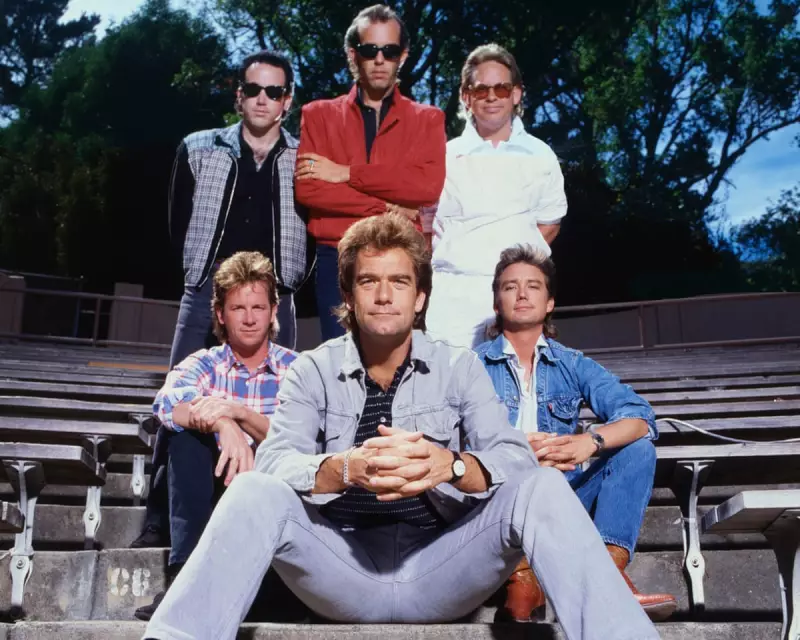
The creation of one of the 1980s' most iconic film songs began with a surprising dose of scepticism. When the team behind a new time-travel comedy approached Huey Lewis and the News, the band's initial reaction to the project was far from enthusiastic.
A Reluctant Start to a Timeless Hit
In 1984, the band found themselves in a meeting with Hollywood heavyweights. Steven Spielberg, Bob Zemeckis, Bob Gale, and Neil Canton pitched their new film, which featured a lead character, Marty McFly, whose favourite band was, conveniently, Huey Lewis and the News. The request was simple: would the band write a song for the movie?
Huey Lewis himself was flattered but hesitant. "I told them I didn't know how to write for film," he recalls, "and frankly, I didn't fancy writing a song called 'Back to the Future'." The producers had a simple solution: they didn't need a bespoke track, just one of the band's existing songs. A deal was struck for the group to send their next composition.

From a Jogging Lyric to a Director's Note
The genesis of the track was casual. Guitarist Chris Hayes had recorded a basic chord progression at home. "I just sat down on the couch in my pyjamas one night," Hayes explains, aiming for something "poppy and accessible." The now-famous lyric came to Lewis during a jogging session.
The band sent a demo to the filmmakers, but director Bob Zemeckis had immediate feedback. He felt the song wasn't upbeat enough for the film's energetic spirit. This critique sent the band back to the drawing board, where saxophonist Johnny Colla played a pivotal role in reshaping the arrangement.
Colla's suggestions were transformative. He minimised the bridge section and, crucially, devised the song's powerful, positive three-chord intro in a major key, moving it away from its original minor-key start. This change gave "The Power of Love" its immediately recognisable, uplifting launch.
The Song That Raced the Film to Release
Upon its release, "The Power of Love" became the most added track on US radio in its first week. Its explosive popularity created a unique problem for the studio. Back to the Future was still in post-production, but the single was "killing it" on the charts.
The film's post-production was famously condensed into a mere nine weeks, a record at the time for the shortest period between the end of principal photography and release. The studio, eager to capitalise on the song's success, pushed Zemeckis to finish the film faster, and its release date was brought forward.
Reflecting on the band's stature at the time, Lewis notes they arguably had a higher profile than star Michael J. Fox or director Bob Zemeckis, thanks to their string of hit records. However, the film's global success propelled the song to new heights, giving Huey Lewis and the News their first number-one single and enabling major international tours.
The irony of the song's legacy is not lost on the band. Chris Hayes admits that after reading the film's synopsis, he thought, "This doesn't sound plausible or like it's going to be good." The track, which has little thematic connection to the time-travel plot, nonetheless became inseparable from the movie's identity, defining an era of cinema and music in a way none of its creators could have predicted during that first uncertain meeting.