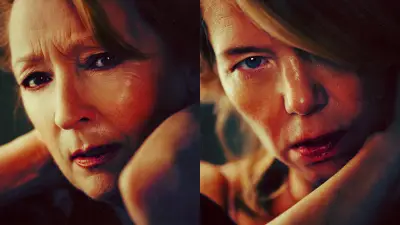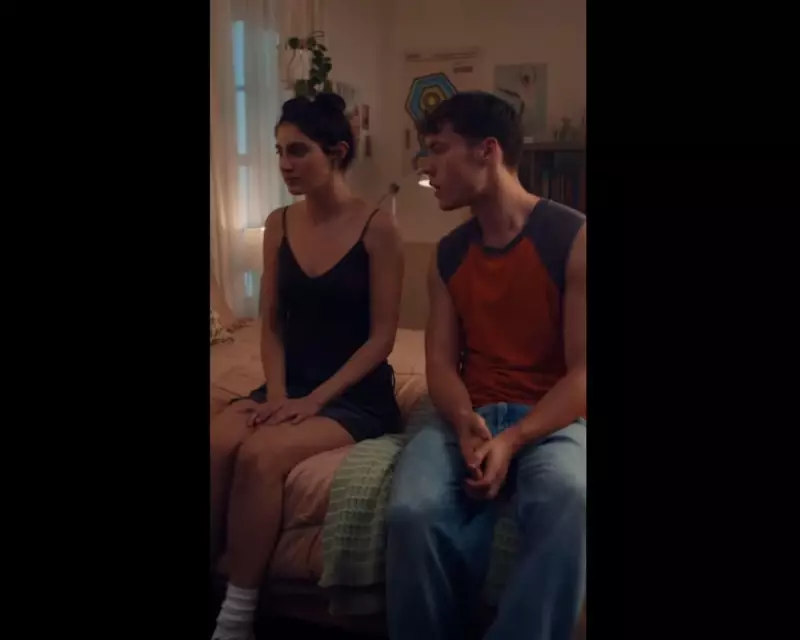
If you have found yourself scrolling through TikTok recently, you may have stumbled upon the intense, yearning stares of Henley and Luca. They are the stars of Loving My Brother's Best Friend, a short-form video series that has captured millions of views. This is not a traditional TV show, but a 'microdrama' – a new, multi-billion dollar entertainment format that Hollywood is now betting will reshape how we consume stories.
From Niche to Mainstream: The Microdrama Gold Rush
While Loving My Brother's Best Friend might look like a fan edit, it is a product of a booming industry. Hollywood, after initially watching from the sidelines, is now investing heavily. These are low-budget, mobile-only series with episodes between 60 and 90 seconds, designed to be watched vertically on a phone.
The model has exploded in China, where revenue for serialised short-form drama rocketed from $500 million in 2021 to a staggering $7 billion in 2024. Projections suggest it could reach $16.2 billion by 2030. Globally, the market for 2025 is estimated between $7bn and $15bn, with revenue for companies outside China nearly tripling in the past year alone.

This explosive growth has forced major studios to act. In recent months, a flurry of deals has seen established Hollywood power enter the arena. Fox Entertainment has taken an equity stake in Ukrainian company Holywater. Disney has accepted the platform DramaBox into its accelerator programme. Paramount and Lionsgate are also exploring partnerships with leading microdrama apps.
Why Hollywood is Embracing the 'Freemium' Flip
This shift is driven by more than just chasing a trend. The traditional entertainment industry is in a state of flux. "There are a lot of people who've been squeezed out of jobs," notes entertainment journalist Natalie Jarvey. Microdrama production, which is non-union, swift, and cheap, offers a lifeline. A full series can be filmed for around $75,000 over a few days and released within weeks.
For creators like Anthony Zuiker, of CSI fame, who now writes for the microdrama venture GammaTime, the appeal is twofold: it provides work in a barren job market and circumvents the painfully slow timelines of traditional TV and film. "You can write an hour movie in a couple of days, shoot for five days, and then have it on a platform in 10 days," he explains.
The business model is also key. Using a 'freemium' approach, viewers watch the first few episodes for free, then pay small amounts – from a few cents to a few dollars – to unlock more. This directly monetises the compulsive scrolling habit that platforms like TikTok have perfected.
Challenges and the Quest for a 'Premium' Feel
Despite the hype, significant hurdles remain. The budgets are undeniably bare-bones, leading to productions that can feel cheesy, with titles like Fake Married to My Billionaire CEO. The current US audience also skews heavily female and over 45, raising questions about whether the format can break into the mainstream youth market.
The industry is acutely aware of the need to improve quality without losing the essence of what makes microdramas work. "Everyone who's making microdramas is looking to raise the bar," says Jarvey. The ghost of Quibi, the high-budget short-form platform that collapsed in 2020, looms large. The challenge is to increase production value without creating something so expensive it loses its viral, accessible appeal.
Some, like GammaTime's Bill Block, are exploring using AI to suggest data-driven storylines, though actual writing remains human-led. For veterans like Zuiker, the creative challenge is paramount: "How do we do premium so it's not so awful?" He is focused on mastering the unique rhythm required to establish character, stakes, and a cliffhanger in under two minutes.

Ultimately, the industry is still in its experimental phase. It lacks a true crossover hit that captures the cultural zeitgeist in the way a traditional streaming series might. However, with vast sums of money flowing in and major studios placing their bets, microdramas are poised to become a permanent, disruptive fixture in the entertainment landscape. As Zuiker concludes, "This is a new thing – we need to get behind this... It's all very TBD." The revolution will be televised – but in two-minute chunks on your phone.