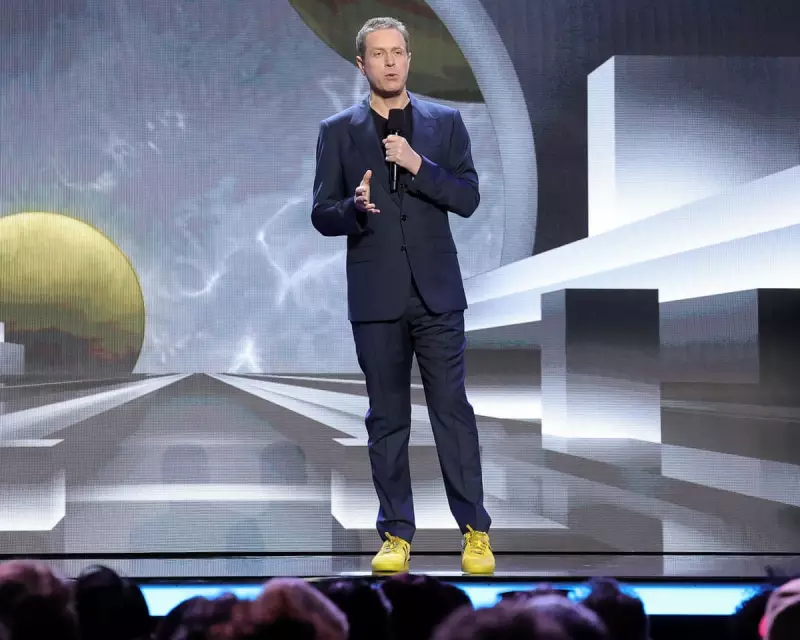
The Game Awards' much-publicised Future Class initiative, launched in 2020 to champion the next generation of diverse gaming talent, has been officially discontinued. The programme, announced by host and producer Geoff Keighley, was intended to highlight individuals representing a 'bright, bold and inclusive future' for the video game industry.
A Promise of Support Fades
At its inception, the Future Class seemed a genuine effort to foster inclusivity. With the Keighley-led Game Awards ceremony attracting an estimated 154 million livestreams last year, the platform offered significant visibility. Inductees were promised tickets to the prestigious ceremony, networking opportunities, and career advancement support.
However, former members now describe a programme that struggled from the beginning. Support reportedly waned over the years, and organiser Emily Weir has now confirmed there are 'no active programming plans' for Future Class. This marks the second consecutive year without a new cohort, following an annual intake of around 50 people from disciplines like development, journalism, and community management.

'We Were Effectively Props'
Inductees have come forward with accounts of feeling marginalised and unsupported. Dianna Lora, a game producer from the inaugural 2020 class, stated bluntly, 'We were effectively props.' She described flying in for the Game Awards at personal expense only to be sidelined, with the Future Class gathering at a Starbucks while Keighley hosted a separate party for influencers.
Jes Negrón, a creative director and Future Class member, supported this, noting that official leadership barely acknowledged their meet-up. Further indignities included being seated behind camera risers, completely obstructing their view of the ceremony.
The promised career perks also fell short of expectations. Many referred to mentorship opportunities as little more than informal Zoom chats with industry figures like Phil Spencer and Reggie Fils-Aimé. 'It felt like Keighley just called a bunch of his friends,' Lora remarked.
Advocacy and the Final Clash
The programme's demise appears accelerated by a direct clash between the Future Class and Keighley. In late 2023, over 70 members signed an open letter requesting a statement of support for Palestine and a ceasefire be read during the live ceremony. The letter, posted in a Discord channel shared with Keighley and Weir, was ignored.
Subsequently, members presented a list of concerns and suggestions for improving the programme and the awards show. Attendees of that virtual meeting reported that Keighley was visibly frustrated and 'incensed' by the feedback.
Many inductees believe their advocacy led to the programme's termination. Natalie Checo expressed a common sentiment: 'As a result of advocating for ourselves... we were punished for doing the same thing that they ostensibly celebrated us for.'
Adding to the frustration, the Future Class page has been removed from The Game Awards website, erasing the official archive of members. Emma Kidwell, a 2023 inductee, highlighted the practical damage: 'Now people can’t put that on their résumés.'
Despite the disappointment, some positive outcomes emerged. The camaraderie and community built among the nearly 200 inductees remains, with the unofficial Future Class Discord server now more active than it has been in a year. For many, this serves as the programme's true legacy, a stark contrast to what they perceive as the organisers' performative allyship.